
 E-Paper



Sri Lanka seeks Indian gaurs for reintroduction into the wild
Sri Lanka has proposed that the Indian government can assist by providing six specimens of the gaur — a bull, and three to five cows — for captive breeding over a five-year period

 Prefer HTon Google


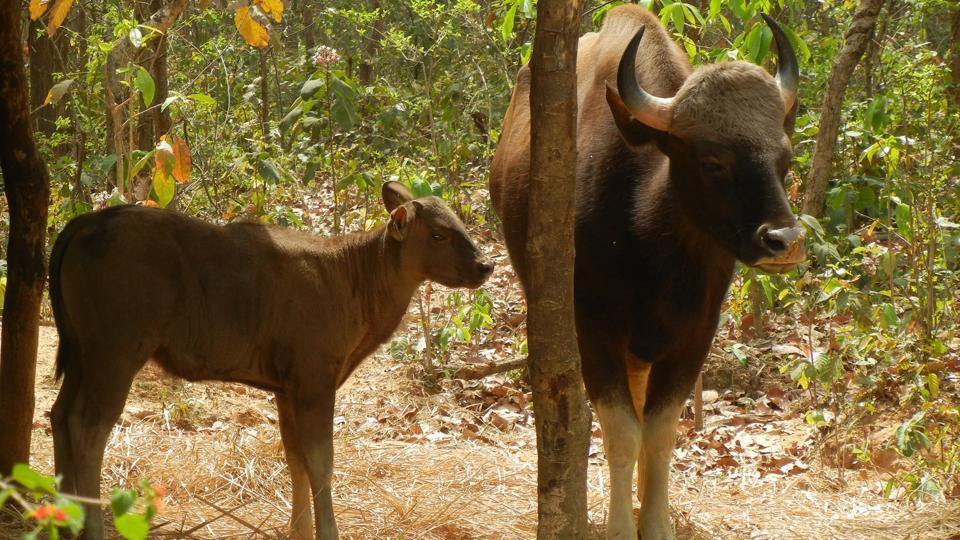
NEW DELHI: Sri Lanka is seeking six gaurs, or Indian bison, from India as part of a proposal to reintroduce the animal into the island nation, where it is believed to have gone extinct sometime in the 17th Century, people familiar with the matter said.
The proposal, made by the Sri Lankan side to India’s external affairs ministry earlier this month, comes at a time when India is working with Namibia to reintroduce cheetahs into the wild in Madhya Pradesh, decades after they went extinct in the country.
Sri Lanka has proposed that the Indian government can assist by providing six specimens of the gaur, and that a technical working group be established with members from Sri Lanka’s Department of National Zoological Gardens, University of Peradeniya and Department of Wildlife Conservation for technical cooperation with Indian counterparts, the people said.
The gaur, whose scientific name is ‘bos gaurus’, is the largest of the world’s species of wild cattle. It has been listed as vulnerable on the ‘red list of threatened species’ by the International Union for Conservation of Nature (IUCN) since 1986.
Also Read:Not rejected any of the 8 cheetahs to be translocated from Namibia, says Centre
Since the gaur is listed as vulnerable by the IUCN, any cross-border transfer will require permission from India’s environment and forest ministry and Sri Lanka’s Department of Wildlife Conservation. However, there was no official word from the Indian and Sri Lankan sides regarding the proposal.
The gaur is believed to have ranged widely in Sri Lanka from at least 30,000 years ago. The last recorded gaur in Sri Lanka was part of the menagerie of King Rajasinghe II of Kandy in the late 17th Century. The animal is remembered across central Sri Lanka in folklore and in many place names that carry the prefix ‘Gawara’.
The people cited above said Sri Lanka proposed that the gaurs to be provided by India may include a bull, and three to five cows for captive breeding of a herd of about a dozen animals over a five-year period. This will be followed by the trial reintroduction of the gaurs in the wild in line with IUCN’s guidelines for reintroductions.
The breeding phase will also require import of semen from Indian gaur and continued technical assistance from Indian specialists, the people said.
They added that the project is important to Sri Lanka as the gaur is the only large mammal known to have been extirpated in historical times in the island nation. The causes are not fully known, but experts believe one of the reasons is hunting as a rite of passage to demonstrate the courage of the king’s bodyguard.
The island nation’s Department of National Zoological Gardens, in collaboration with the faculty of veterinary medicine and animal science of the University of Peradeniya, will manage the animals. The department runs Pinnawala Zoo, which has adequate resources and land to house any gaurs provided by India.



