
 E-Paper



Supreme Court allows ban on end-of-life vehicles: Check if your car can hit Delhi roads now
The Supreme Court's latest order reinstates ban against diesel vehicles older than 10 years and petrol vehicles older than 15 years from plying on Delhi roads.

 Prefer HTon Google


The Supreme Court on Wednesday modified its August order ending protection to old vehicles in Delhi-NCR that do not meet Bharat Stage-IV (BS-IV) emission standards while hearing a matter on the air pollution crisis in the cities.
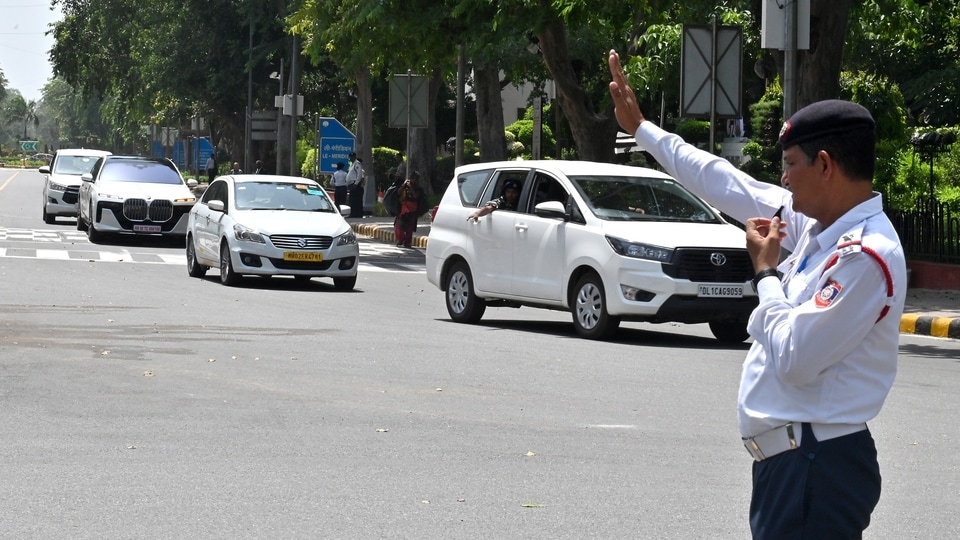
A bench, led by Chief Justice Surya Kant, modified the court's August 12 order which had paused coercive action against end-of-life vehicles under BS-3 and below.
The apex court's revised order comes after additional solicitor general (ASG) Aishwarya Bhati had urged court to consider the recommendation of the Commission for Air Quality Management (CAQM), which said that due to the August order even more polluting vehicles were back on roads. The court was hearing a case related to the deteriorating pollution in the national capital.
In the August order, then CJI BR Gavai-led bench had granted a relief to owners of diesel vehicles of over 10 years and petrol vehicles older than 15 years in Delhi-NCR.
What does Supreme Court's end-of-life order mean for vehicles
The Supreme Court latest order reinstates ban against BS-3 and below diesel vehicles older than 10 years and petrol vehicles older than 15 years from plying on Delhi roads.
With the fresh order, the court has now said that the protection against a blanket ban applies only to vehicles compliant with BS-IV standards and newer vehicles.
Also Read: Delhi-NCR air pollution measures a 'total failure': Supreme Court
The court has clearly maintained that older vehicles running on emission standards below BS-IV, including BS-III and earlier models, may face regulatory action. The SC's order originated from the National Green Tribunal's directive to ban all older vehicles, including two wheelers, three wheelers, four wheelers, up to BS-III standards.
"This direction would be applicable to all vehicles without exception i.e. two wheelers, three wheelers, four wheelers, light vehicles and heavy vehicles irrespective of whether commercial or otherwise," the NGT said on November 26, 2014.
The Delhi government's previous order on older vehicles says that that such vehicle found plying on the road shall be impounded and sent to scrapyard for scrapping.
What is BS-3 standards and how it differs from its successors?
BS, or Bharat Stage emission standards, is a government-implemented regulation system to limit the emission of air pollutants from vehicles. The latest cars on the roads adhere to BS-VI, came into implementation in April 2020.
The Bharat Stage norms were implemented first in 2000, with BS-I vehicles. Since then, India has seen vehicles being allotted BS-II (2001), BS-III (2005) and BS-IV (2010) based on a chronological order.
While in BS-III, the government increased restrictions on emissions like Nitrogen Oxides, Carbon Monoxide and Hydrocarbons, the sulphur content was allowed till 100 ppm.
But, the BS-IV vehicles curbed Sulphur output to 50 ppm along with other gases. Under BS-VI norms, the Sulphur content is further reduced to 10 ppm, a huge reduction from 500 ppm allowed in BS-II, according to Carandbike.com.


