
 E-Paper



‘There’s a problem’: Supreme Court to hear Shaheen Bagh case after Delhi polls
The plea stated that the road closure at Shaheen bagh causes great inconvenience to the public at large. The road closure and the consequent traffic diversion have led to the wastage of precious time, energy and fuel besides overburdening the DND, Akshardham and Ashram routes.

 Prefer HTon Google


The Supreme Court on Friday said it will hear pleas seeking removal of anti-citizenship law protesters from Delhi’s Shaheen Bagh on February 10. Delhi will vote for a new government tomorrow.
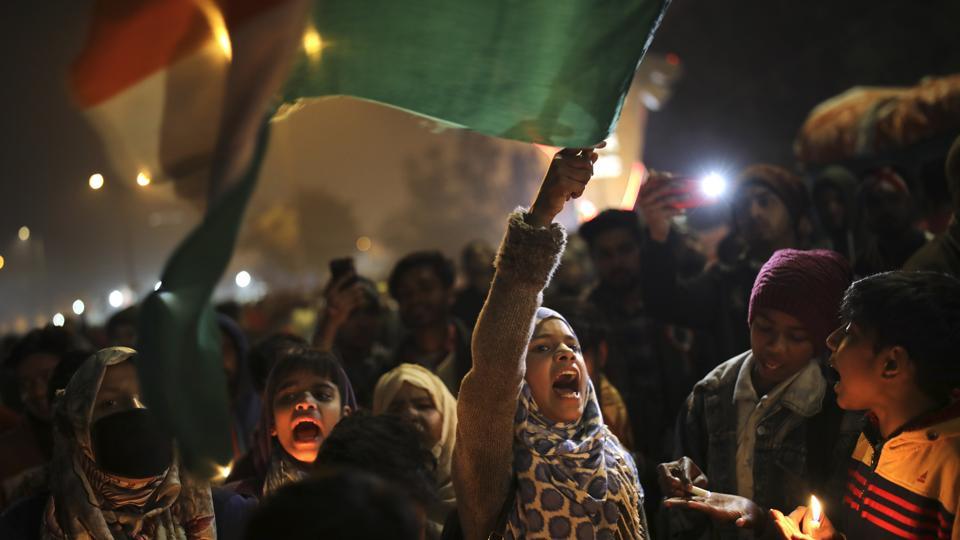
When the petition filed by Advocate Amit Sahni came up for hearing today, a bench of justices comprising Sanjay Kishan Kaul and KM Joseph said that they will hear the matter on Monday next week.
The lawyer for the petitioner pointed out that elections to Delhi will be over by then.
“Exactly why we are saying we will hear it on Monday”, the bench said. Though the bench deferred the hearing, it acknowledged that “there is a problem”.
The plea says that the road closure at Shaheen bagh causes great inconvenience to the public at large. The road closure and the consequent traffic diversion have led to the wastage of precious time, energy and fuel, besides overburdening the DND, Akshardham and Ashram routes.
The Kalindi Kunj road, the petitioner argued, is a vital route since it connects three states — Delhi, Uttar Pradesh and Haryana — and the road closure has led to huge difficulties not only for the residents of the area but lakhs of commuters who are not able to use the road due to the blockade.
The petitioner stated that while people have the right to protest, the same is subject to reasonable restrictions and protesters cannot be allowed to occupy public roads indefinitely.
“No one can be permitted to occupy the public road for any reason whatsoever under the pretext of peaceful protest and that too for indefinite period to make others suffer for the same…the fundamental right of the protesters do not exist in isolation in a watertight compartment. One fundamental right of a person may have to coexist in harmony with the exercise of another fundamental right by others,” the petition said.
The plea was rejected by the Delhi high court on January 14 which stated that it is the responsibility of the police to maintain law and order and court cannot issue directions to the police on how to handle agitation, protest or traffic at the place of protest.
.


