
 E-Paper



Supreme Court to welcome visitors in guided tour
On Thursday, Chief Justice of India Ranjan Gogoi will formally launch a portal, through which citizens can book a one-hour guided tour to the court premises, according to officials involved in the project.


For citizens, the courtrooms of the Supreme Court are where landmark judgments are passed and history is made. But the most visible and respected embodiment of the country’s justice system has remained out of bounds for visitors for six decades.
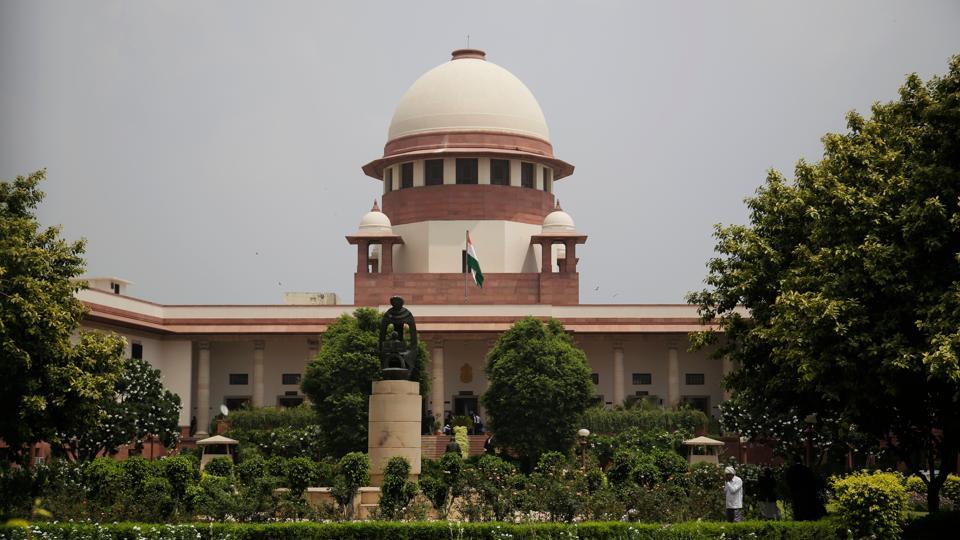
Not anymore. On Thursday, Chief Justice of India Ranjan Gogoi will formally launch a portal, through which citizens can book a one-hour guided tour to the court premises, according to officials involved in the project.
At present, only lawyers, law interns, law students, litigants and mediapersons are allowed inside the court. Entry to the building, which is in a high-security zone, is restricted and regulated either through an electronic access card or daily passes issued by the Supreme Court registry.
The registry has now developed a website that will help citizens choose the date and time for a 60-minute visit to the Supreme Court, according to one of the officials cited above who asked not to be named. For now, the tour will be conducted every Saturday, when there are no court hearings, he added.
The building, which completed 60 years in 2018, has long been an architectural delight for passersby.
A second official involved in the project, who also did not want to be named, said visitors will get bar-coded messages on their mobile phones once a booking is confirmed. The message will have to be scanned at the reception desk, where a trained guide will conduct the tour.
The tour will start from the main lawns within the court precincts, where the statue of justice stands. It will include a trip to courtroom number one, the Chief Justice of India’s court under the imposing central dome, added the second official.
Visitors would also get a peek into the judges’ library. They will also get a chance to walk through the judges’ corridor during the tour, which will end with a visit to the museum with refreshments.
Although the Supreme Court was decreed by the Constitution in 1950, it took nearly eight years to find a permanent home. The present building was constructed by the Central Public Works Department under the stewardship of Ganesh Bikhaji Deolalikar, and later, his successor Sridhar Krishna Joglekar, as chief architects of CPWD.
The building’s layout reflects its purpose: when seen from the sky, the Supreme Court is designed as the scales of justice, comprising a central beam with two pans, placed evenly. The court commenced its functioning within this edifice in August 1958.
The Supreme Courts in the United Kingdom and Canada are open to guided tours.


