
 E-Paper



Supreme Court's three observations while suspending Rahul Gandhi's defamation conviction
The Supreme Court stayed the conviction of Rahul Gandhi in the 2019 criminal defamation case over his Modi surname remark.

 Prefer HTon Google


In a big relief for Rahul Gandhi, the Supreme Court on Friday stayed the conviction of the Congress leader in the 2019 criminal defamation case over his Modi surname remark.
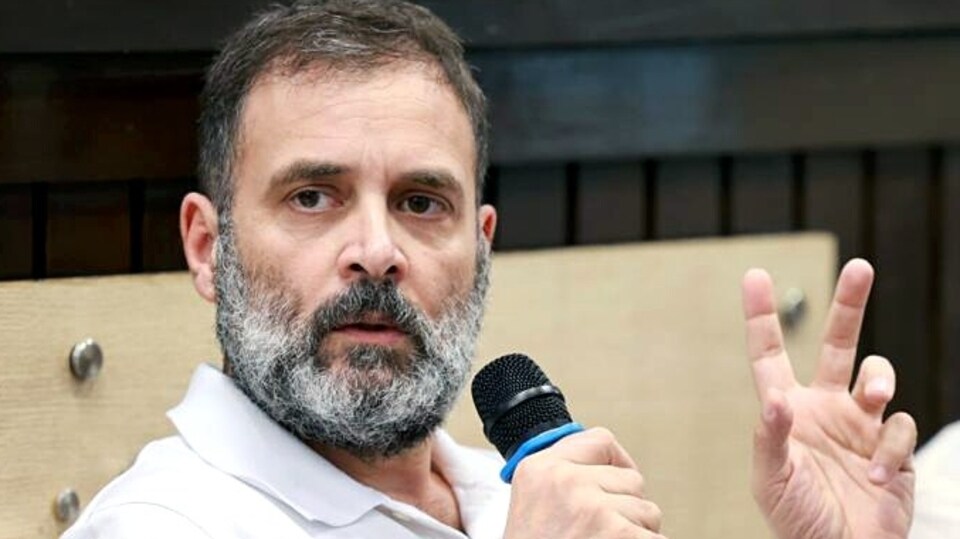
A bench of Justices BR Gavai, PS Narasimha and PV Sanjay Kumar said the trial court did not give any specific reasons for imposing the maximum punishment of two years' imprisonment prescribed under the Indian Penal Code for the offence of defamation.
The Supreme Court was hearing a plea by Gandhi challenging the Gujarat high court verdict which dismissed his plea seeking a stay on his conviction in a defamation case over his "Modi surname" remark.
Former Gujarat minister Purnesh Modi had filed a criminal defamation case in 2019 against Gandhi over his "How come all thieves have Modi as the common surname?" remark made during an election rally in Kolar in Karnataka on April 13, 2019.
Gandhi, 53, scion of a dynasty that has given India three prime ministers, was sentenced to two years' imprisonment but the jail term was put on hold and he was granted bail. He also lost his parliamentary seat following the conviction, since lawmakers sentenced to jail terms of two years or more are automatically disqualified.
Takeaways from the Supreme Court's observation on Rahul Gandhi case:
- There is no doubt that utterances are not in good taste, a person in public life is expected to exercise caution while making public speeches, said the Supreme Court. As observed by this court while accepting his affidavit in the contempt petition, he (Rahul Gandhi) ought to have been more careful.
- The Supreme Court said no reason has been given by the trial court judge for imposing the maximum sentence of two years. The order of conviction needs to be stayed pending the final adjudication.
- The Supreme Court while granting relief to Rahul Gandhi said ramifications of the trial court’s order are wide. Not only was Gandhi’s right to continue in public life affected but also that of the electorate who elected him, said the court.The top court was hearing a plea by Gandhi challenging the Gujarat High Court verdict which dismissed his plea seeking a stay on his conviction in a defamation case over his "Modi surname" remark.


