
 E-Paper



Suspected woman Maoist killed in encounter in Chhattisgarh
The police have recovered Maoist literature and other related material from the site, which falls under MMC zone (Maharashtra-Madhya Pradesh-Chhattisgarh) of CPI (Maoist).

 Prefer HTon Google


A woman, suspected to be a Maoist, was killed in an encounter with security forces in Chhattisgarh’s Kabirdham district bordering Madhya Pradesh on Sunday.
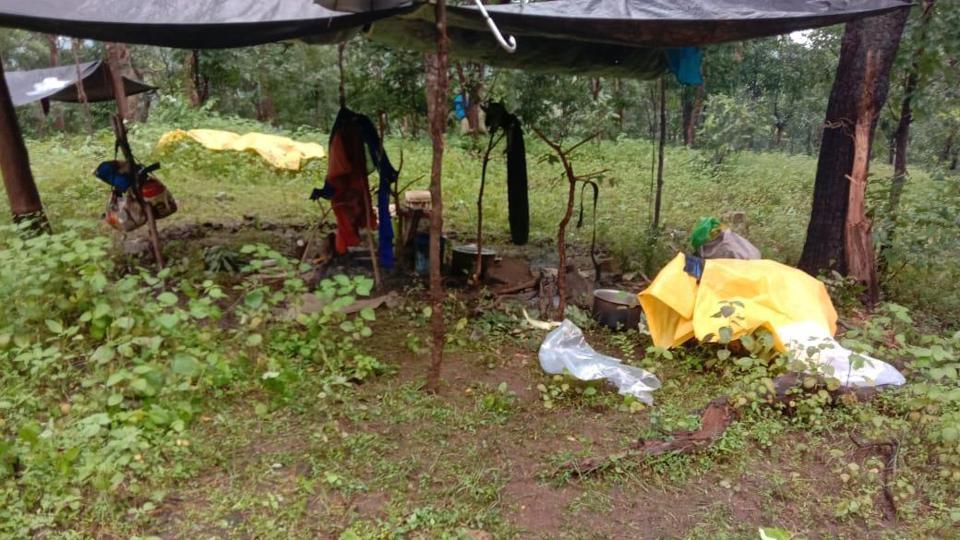
The police have recovered Maoist literature and other related material from the site, which falls under MMC zone (Maharashtra-Madhya Pradesh-Chhattisgarh) of CPI (Maoist).
“The encounter started at around 1:15 pm near Suratiya village at the Madhya Pradesh border and lasted for about 30 minutes. After the gunfire, Maoists managed to escape into the jungle and later a body was found during the search operation,” said Sunderraj P, Deputy Inspector General (DIG) Naxal operation.
The woman was identified as Jugni, a member of ‘Vistaar Platoon’ number 3 of CPI (Maoist), Sunderraj said.
‘Vistaar (expansion) platoons’ of Maoists are tasked to expand the area of newly formed MMC zone (Maharashtra-Madhya Pradesh-Chhattisgarh), which includes districts at the tri-junction of the three states. As per intelligence sources, there are about 200 armed cadres of CPI (Maoist) in these platoons.
The police believe that since the security forces’ operations in Bastar increased in the last one year, the Maoists were moving towards the MMC zone.
A letter was recovered by the security forces in February 2017 from Bastar pointing to the increasing pressure in the region and shifting of the ultras to the MMC.
“Oppression is rising. The enemy has opened 20 new camps in the bureau. Ten new camps have been opened in Darbha division in 2016. Villagers are fleeing from the area and we are working in difficult conditions,” the letter read.
-kW0H-U20214218012MgB-250x250%40HT-Web.jpg)


