
 E-Paper



Tamil Nadu Assembly again adopts anti-NEET bill
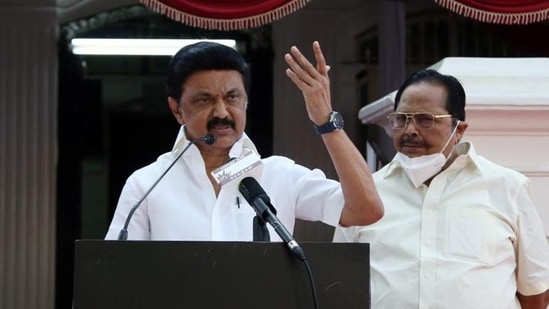
Speaking in the Tamil Nadu assembly, chief minister MK Stalin said that NEET "sends students to the cemetery and to jail" and "discriminates marginalised students".


The Tamil Nadu Assembly on Tuesday adopted the bill against the National Eligibility cum Entrance Test (NEET) to admit students to undergraduate programmes in medicine. A special assembly session was convened for the purpose during which the bill was adopted by voice vote. All the political parties, except the Bharatiya Janata Party (BJP) supported the bill.
This is the second time that the Tamil Nadu Assembly has adopted the anti-NEET bill. It was previously passed in September last year to scrap the entrance exam and enable admissions to MBBS and BDS based on Class 12 marks.
The bill will now be sent to the Governor RN Ravi for the second time. He had returned it on February 1, asking the state legislature to reconsider it.
The resolution for the passage of the bill was piloted by chief minister MK Stalin.
Speaking in the assembly, Stalin said that NEET "sends students to the cemetery and to jail" and "discriminates marginalised students".
The chief minister, referring to the communique of Governor Ravi on the return of the bill, said the reasons adduced by him were not correct.
During the discussion over the bill, the house witnessed din twice when AIADMK's C Vijayabaskar, health minister in the previous regime, traced the origin of NEET to Congress-led UPA regime in 2010 which was opposed by the Congress members.
While returning the bill, the governor had said cited a Supreme Court judgment that upheld NEET. He had also said that the bill is against the interests of students from poor and rural backgrounds. Reacting to it, Stalin had said that the court's judgment is different and the Tamil Nadu Assembly’s powers to enact law is different.
Stalin met Ravi twice, urging him to send the bill to the President for his assent, but he did not. The Tamil Nadu chief minister then accused the governor of acting against the federal spirit.


