
 E-Paper



Tamil Nadu govt moves SC over governor’s delay in clearing bills, files
The Tamil Nadu government said the delay has caused a “constitutional deadlock” while urging the court to specify timelines for the governor to act

 Prefer HTon Google


The Tamil Nadu government on Tuesday moved the Supreme Court over governor RN Ravi’s delay in clearing bills and files, saying it has caused a “constitutional deadlock”. It urged the court to specify timelines for Ravi to act without sitting on them.
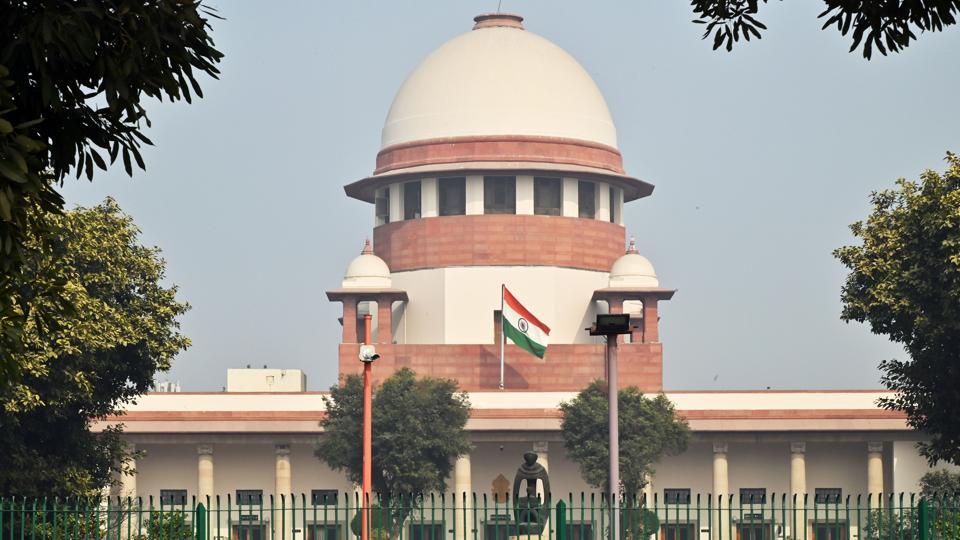
“The Governor’s inactions have caused a constitutional deadlock between the constitutional head of the state and the elected government of the state. By not acting upon their constitutional functions, the Governor is toying away with the citizen’s mandate,” the state said in its petition.
The petition listed the bills pending for governor’s assent since last year and decisions such as sanction for prosecution of “corrupt legislators”, remission orders, appointments, and recruitments awaiting Ravi’s approval. The state said the inaction and delays were “unconstitutional, illegal and malafide exercise of power”. It added this has brought the entire administration to a halt.
The plea said Ravi has created an “adversarial attitude” by not cooperating. It sought guidelines to fix a limit for the governor to act. “The inaction of the Governor which is contrary to the aid and advice of the Council of ministers in effect renders the will of the legislature nugatory, and is transgressing upon the role of the legislature and hence the same amounts to constitutional transgression, which is amenable to judicial review,” said the plea.
A Chief Justice of India Dhananjaya Y Chandrachud-led bench in April disposed of a similar petition of the Telangana government against governor Tamilisai Soundararajan. It cited the Constitution’s Article 200 related to assent to bills and said proviso 1 says that “the Governor may, as soon as possible, after the presentation to him of the bill for assent, return the bill if it is not a money bill.”
The bench said the expression “as soon as possible” has significant constitutional intent and must be borne in mind. It clarified that this part of the order was not meant for the case at hand but meant for all constitutional authorities in general.
The Tamil Nadu government’s plea said that Article 200 does not provide the governor the power to sit on the bills. It added the governor has failed to accord sanction for the prosecution and investigation of crimes of corruption involving the moral turpitude of public servants and issues pertaining to the premature release of prisoners. “By denying sanction when the investigative authorities have found prima facie evidence of corruption and have asked for permission to prosecute, the first respondent [governor] is engaging in politically motivated conduct.”
The plea said the Tamil Nadu Public Service Commission is functioning with a mere strength of four members although it is required to have a chairman and 14 members. It added applications for appointment of the chairman and members were pending with the governor despite frequent reminders.
“The refusal to act on the aid and advice of the Council of Ministers or deliberate inaction in acting on the bills or on the files on the part of the Governor including any delay, will defeat the parliamentary democracy and the will of the people and consequently violates the basic structure of the Constitution.”
A Supreme Court constitution bench in 1974 said the governor being a mere formal/ceremonial head is bound to act on the aid and advice of the council of ministers.


