
 E-Paper



Taxing work conditions, long hours fail to deter Pune nurse
Of Pune’s 107 deaths, a majority have been at the Sassoon hospital, one of the three Covid-19 specific hospitals in the city.


Last month, when senior nurse Rajashri Kanade was due to return home after 20 straight days of duty, reports of healthcare workers being assaulted by neighbours and random people on the streets were all over the news. The 52-year-old, who was deputed at the Sassoon general hospital’s Covid-19 intensive care unit, was worried about the reception she might receive from her housing society. The Centre eventually amended the Epidemic Diseases Act 1897 to make such acts of violence a non-bailable offence, but Kanade needn’t have worried. On her return home, residents of the housing society where she has lived for the past five years, welcomed her with a shower of flower petals and an ‘arti’. Children ran up to her and gave her hand-made greeting cards, thanking her for all the effort she has put in to fight against the coronavirus pandemic.
“I was overwhelmed and couldn’t stop crying. I felt like we were one big family,” said Kanade.
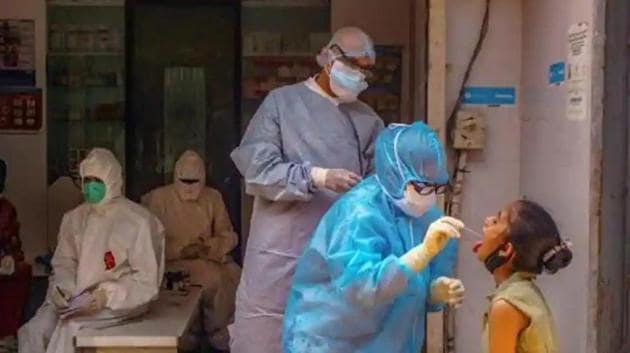
Of Pune’s 107 deaths, a majority have been at the Sassoon hospital, one of the three Covid-19 specific hospitals in the city. Kanade, who was working in the ICU before she returned home — she has now been deputed to the Organ Transplant unit — was required to wear the personal protective equipment (PPE), one of the most important preemptive measures to prevent the spread of the virus. Another measure hospitals are taking is to turn off the air conditioning, as according to studies, the virus is able to stay suspended on aerosols, though its virulity decreases over time.
There are other limitations once the PPE, comprising a body suit, mask, headgear, gloves and shoes has been worn. Once removed, the kit cannot be re-used and must be disposed. Kanade did not eat, drink or use the washroom for at least seven hours once she wore the PPE. “The PPE kit is very heavy and it sticks to the body. It is very difficult to work when you are drenched in sweat. But after years in the job, I discipline my mind to concentrate on the work at hand. Only after I remove the kit, do I use the washroom and drink at least two litres of water,” said Kanade. She would also not eat for the duration that she was in the PPE.
The patients were almost always anxious and full of fear, she said. Therefore, the first thing that the medical staff do is stay positive. They help patients relax before they begin treatment, she said. “Once we enter the ward would sing a prayer hymn, ‘Hum ko itni shakti dena’,” she said.
Kanade said her family was very supportive of her work: her son Aniket dropped her and picked her up; her daughter-in-law Snehal packed her meals.
“We health workers are handling a pandemic for the first time,” Kanade said. “People need to follow all the precautions laid out.”


