
 E-Paper



Tiger population declines in Western Ghats despite 6.74% increase in the country
Prime Minister Narendra Modi released the latest tiger census data in Karnataka’s Mysuru on the occasion of 50 years of Project Tiger on Sunday

 Prefer HTon Google


The only landscape in India where the tiger population has gone down is Western Ghats, where declaring of the ecologically sensitive zone has been hanging since 2010, according to the latest tiger estimation report released on Sunday by Prime Minister Narendra Modi. The estimation was done in five landscapes.
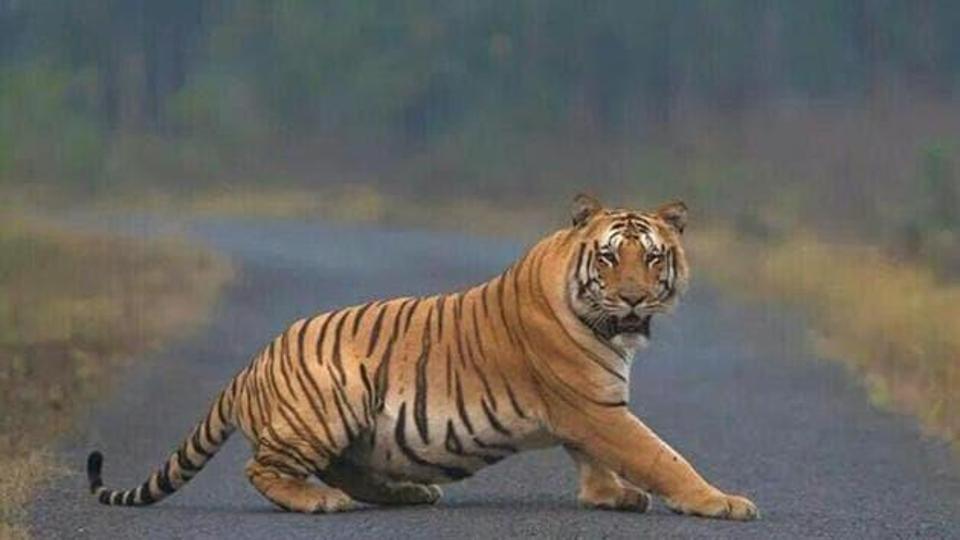
The report also said that tiger populations have also declined in the central Indian states of Jharkhand, Odisha, Chhattisgarh, Andhra Pradesh and Telangana, even though tigers have been spotted for the first time in Himachal Pradesh and in new areas in Madhya Pradesh and Maharashtra.
The National Tiger Conservation Authority, which conducts the estimation, has not released state or tiger reserve-wise tiger estimation, but has provided some state-specific insight in the overall report.
India since 2006 has been conducting scientific tiger population estimation once every four years. According to the latest report, the number of tigers has recorded a 6.74% increase from 2,967 in the last census in 2018 to 3,167 now, and the country is home for 75% of the wild tigers in the world. The number was 1,411 in 2006.
“Population increase is substantial in Shivalik & Gangetic flood plain which is followed by Central India, North Eastern Hills and Brahmaputra flood plains and Sundarbans while Western Ghats population showed decline with major populations being stable,” the report said.
The overlap between “wildlife and humans” because of developmental activities has led to a fall in the tiger population in the areas under the World Heritage Western Ghats landscape, which is “most biodiverse” in the country, according to the report.
The Western Ghats tiger landscape is 1,600-km long and covers an area of about 1,40,000 square km. It spans across six states --- Karnataka, Maharashtra, Goa, Kerala, Tamil Nadu and Telangana -- and contains 12 tiger Reserves, 20 National Parks, and 68 Wildlife Sanctuaries and is home to several endemic species such as lion-tailed macaque, the Malabar giant squirrel, and the Nilgiri tahr.
“As of 2018, the tiger population was estimated at 981 tigers in the region. In 2022, 824 unique tigers were recorded, indicating a decline in some regions and stability in well-protected tiger reserves,” the report said.
The Nilgiri cluster that is Nagarahole to BRT Hills in Karnataka is the largest tiger population in the world, and has contributed significantly to colonisation of tigers in neighbouring areas, the survey shows a decline in tiger numbers there.
The report said while tiger populations within the protected areas have either remained stable or increased, the occupancy outside of the reserves significantly decreased in areas such as the Wayanad landscape, BRT Hills, and the tiger areas on Goa-Karnataka border. Most of the decline in tiger population is in Karnataka, where majority of Western Ghats fall.
“The Mookambika-Sharavathi-Sirsi landscape and Bhadra have also experienced a substantial decline in tiger occupancy. Beyond the protected area border of Anamalai-Parambikulam complex, a decrease in tiger occupancy was also observed. Although tiger populations in the Periyar landscape have remained stable, tiger occupancy outside of Periyar has decreased. Local extinctions of tiger populations were noticed in Sirsi, Kanyakumari, and Srivilliputhur,” the report said.
Despite its UNESCO World Heritage Site status, the Western Ghats face several environmental challenges, such as deforestation, habitat loss, and climate change, that threaten the survival of many species due to invasive species and the overall ecological balance of the region, the report said.
The environment ministry’s bid to declare one-third of Western Ghats since 2010 as ecologically sensitive area --- the regulation that prohibits any ecologically damaging activity -- has been opposed by state governments of Karnataka, Kerala and Goa.
“Not doing enough for protecting Western Ghats is showing its impact now,” said Madhav Gadgil, who headed the first committee set up by the environment ministry to demarcate ecologically sensitive area there.
“Vested interests have ensured that the ecology of Western Ghats is not projected. Political parties have rallied around them as they fear loss of vote. In all this, precious ecological value service is being lost. Tiger is the flagship species and if their number has gone down, there is something very wrong with our present approach.”
According to forest department officials in Karnataka, they are under a lot of political pressure to prevent animals such as tigers and leopards to move out of forests and have declared at least three leopards as man-eaters in the past six months following protest by locals.
On February 23, 2023, the Karnataka government told the state assembly that 41 persons were killed by elephants, tigers and leopards in the past 10 months with most number of cases reported from Nagarhole tiger reserve. “In the past few years, the government has allowed passage of more vehicles through tiger habitats resulting in higher conflict,” said a Karnataka forest official.
Of the four other landscapes, the report said the population increase is substantial in Shivalik and Gangetic flood plain, which is followed by central India, northeastern hills and Brahmaputra flood plains and Sundarbans.
In Shivalik, the number of tigers have increased from 646 in 2018 to 804, in central Indian landscape from 1,033 in 2018 to 1,161, in northeastern landscape from 194 to 219 and in Sunderbans (which falls in India and Bangladesh) from 88 to 100.
The report identified Himachal, Suhelwa in Uttar Pradesh and Valmiki in Bihar as new potential tiger areas. Despite the number of tigers increasing in the central Indian landscape, most in Madhya Pradesh and Maharashtra, the report said the local tiger population has become extinct in Sri Venkateswara National Park and tiger reserves in Kawal, Satkosia and Sahyadri. “The small and genetically unique population of tigers in Simlipal is a priority for conservation,” the report said.
The report also said the tiger occupancy has increased from 100 square kms in 2018 to 1,792 in 2022 and unique tigers photographed in 2022 increased to 3,080 from 2,461 in 2018. The report said of the approximately four lakh square kilometers of forests in tiger states, only one-third are in relatively healthier condition and termed illegal wildlife poaching as a “significant challenge”.


