
 E-Paper



US Supreme Court sceptical of Trump tariffs: What can the US president do?
US Supreme Court has questioned Trump’s use of an emergency-powers law to collect tens of billions of dollars in tariffs.

 Prefer HTon Google


President Donald Trump has warned that if the Supreme Court overturns the tariffs he imposed this year on nearly every country, the United States could become " defenceless " and possibly " reduced to almost Third World status. "
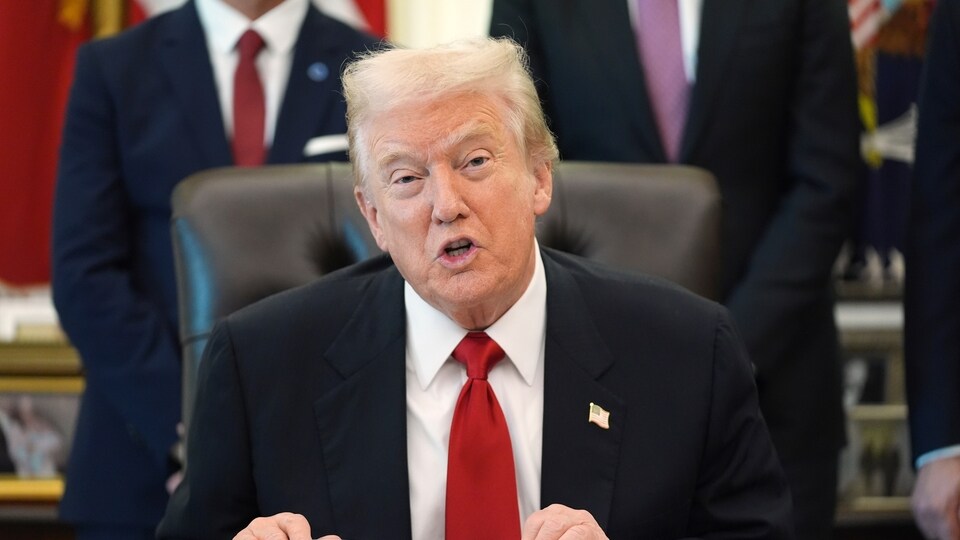
His reaction came after justices at the US Supreme Court questioned Trump’s use of an emergency-powers law to collect tens of billions of dollars in tariffs.
Three conservative justices raised questions about whether an emergency law gives Trump “near-limitless power” to set and change duties on imports. The court has a 6-3 conservative majority.
Also Read | ‘Devastating’: What Trump said on chances of Supreme Court revoking tariffs
According to the Associated Press, Trump will still have options to continue taxing imports aggressively even if the Supreme Court rules against him.
“It’s hard to see any pathway here where tariffs end,” Georgetown trade law professor Kathleen Claussen was quoted as saying by the news agency. “I am pretty convinced he could rebuild the tariff landscape he has now using other authorities."
Stratos Pahis of Brooklyn Law School also concurs Trump “will have other tools that can cause pain".
What are Trump's options in case of an unfavourable ruling?
Some of these moves could include countering unfair trade practices under Section 301 of the Trade Act of 1974, targeting trade deficits, and using his authority under Section 232 of the Trade Expansion Act of 1962 to impose tariffs on imports he considers a threat to national security, according to the Associated Press.
Also Read | A Justice-by-Justice Breakdown on Trump’s Tariffs
“You've had Section 301 tariffs in place against China for years,” Ryan Majerus, a partner at King & Spalding and a trade official in Trump's first administration and in Biden's, told AP.
Donald Trump could also revive the Tariff Act of 1930, known as the Smoot-Hawley tariffs, from the Depression era. Section 338 of the law authorises the president to impose tariffs of up to 50% on imports from countries that have discriminated against US businesses.
In September, Treasury Secretary Scott Bessent informed Reuters that the administration was considering Section 338 as Plan B if the Supreme Court ruled against Trump's use of emergency powers and tariffs.
Tariffs have become a key element of Trump's foreign policy in his second term, with most countries facing double-digit “reciprocal" tariffs. He justifies this by calling America’s persistent trade deficits a national emergency.
According to Yale University's Budget Lab, the average U.S. tariff increased from 2.5% when Trump resumed office in January to 17.9%, reaching the highest level since 1934.


