E-Paper



‘Vaccine is our best hope’: Doc leads the way in battle against hesitancy
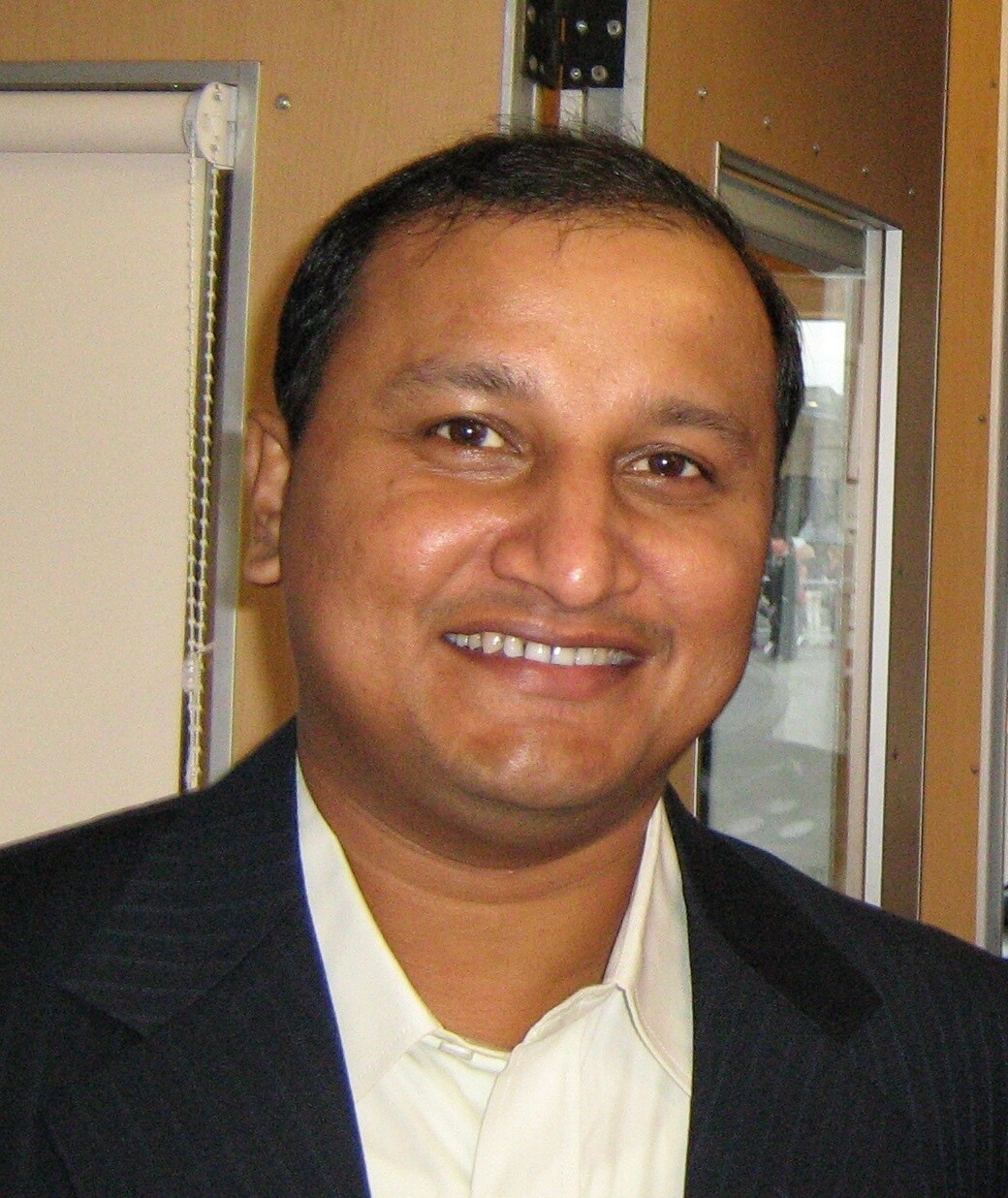
Doctor Mohanty said he never had any doubts about the need to get the shot, even though he had already been infected with Covid-19.


When Covid-19 vaccination kicked off in Odisha on January 16, at Bhubaneswar’s Capital Hospital, Biranchi Naik, a 51-year-old sanitation worker, was the most photographed person. Naik, a sweeper working with the hospital for last 30 years, was the first recipient of Covid vaccine in the state, and expectedly, the media and the government made a fuss around him.
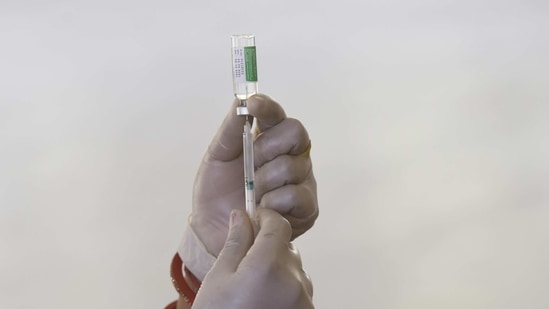
Beyond the glare of TV cameras, an early milestone in the drive was when renowned doctor and medicine specialist, Chinmay Bijay Kumar Mohanty, 65, who is now serving as Odisha’s director of medical education and training, walked into the vaccination room at the hospital, and said he wanted to volunteer as an early recipient.
He lifted the left arm of his half-sleeved shirt, and a nurse administered the Covaxin shot.
“There was no pain whatsoever, much lesser than what one would experience after getting a shot of Tetanus toxoid. When there is no particular medicine available for Covid, vaccination is necessary,” said Mohanty.
Click here for complete coverage on Covid-19
“When I took the shot, an additional director who accompanied me looked scared. But he took the shot soon after my turn, perhaps thinking if a 65-year-old man can take it, anyone can. Almost all my friends have taken the shot after my prodding -- not even a single close friend is left so far. They know that, being a doctor, I have not been carried away by the publicity surrounding the vaccine. If we compared the side effects of vaccines for Measles, Diptheria, Rabies, Mumps, Tetanus and Influenza with Covid, it is much safer,” he said.
Several other doctors, including the director of Capital Hospital, Dr Laxmidhar Sahu, neurosurgeon Dr Ashok Mohapatra, and director of AIIMS-Bhubaneswar, Dr Gitanajali Batmanbane, also took the shot on the first day. A little over 16,000 health care workers in the state were vaccinated on January 16.
Mohanty said he never had any doubts about the need to get the shot, even though he had already been infected with Covid-19. “In my 40-year-old medical career, I was never hospitalised. But in October last year, I got Covid, and spent 10 days in ICU. Being a doctor, I know the benefits of a vaccine. I am have mild diabetes and cholesterol. So I was waiting for it; I consider myself lucky that I was among the first doctors to take it on Day 1. I had no reaction whatsoever,” he said.
Also Read | What science tells us about Covid-19 vaccines
Mohanty’s sister-in-law, nephew and younger brother, too, were infected with Covid-19, and have now been vaccinated.
After taking the vaccine, Mohanty started inspiring others to take the jab as soon as they became eligible, without delay.
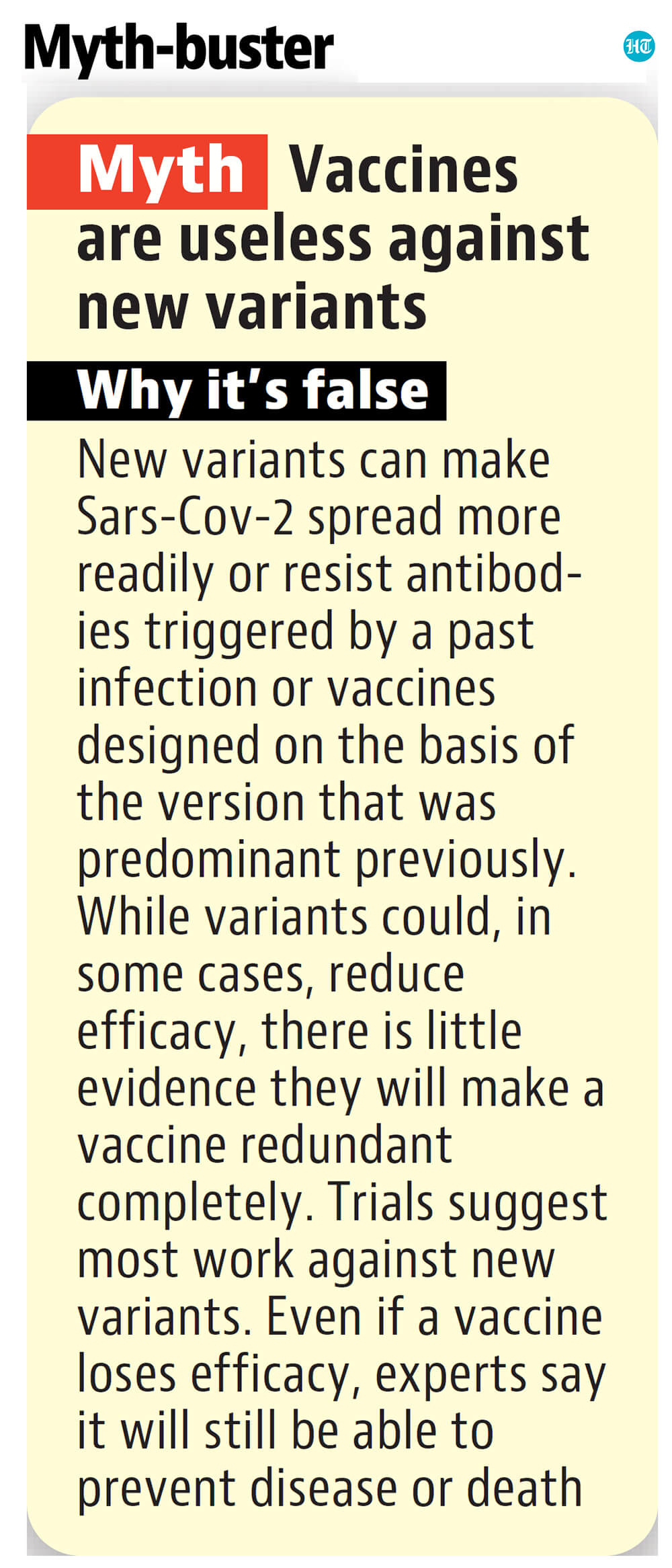
“People are always scared of a new thing. But people should trust doctors. We are living in a world where there will always be microorganisms. We have to survive among them, and fight with the harmful ones. A vaccine is our best hope of fighting such pathogens and we should fight with a positive hope,” he said.
A common question people ask, Mohanty says, is which shot is better, Covaxin or Covishield. Mohanty’s standard reply is that both the vaccines work well, and one should take either shot without any hesitancy — regardless of whether one was infected with Covid-19 in the past or not.