
 E-Paper



‘What can be expected from govt that says cow urine can cure disease’: TMC MP
All India Trinamool Congress (TMC) MP Shantanu Sen accused the Central Government of promoting private institutions and said the government was indirectly promoting private medical colleges and “quackery”.

 Prefer HTon Google


While taking part in the discussion over the Homeopathy Central Council (Amendment) Bill in the Rajya Sabha, All India Trinamool Congress (TMC) MP Shantanu Sen accused the Central Government of promoting private institutions and said “What can be expected from a government that says that drinking cow urine can cure disease or Covid-19? They are indirectly promoting private medical colleges and quackery.”
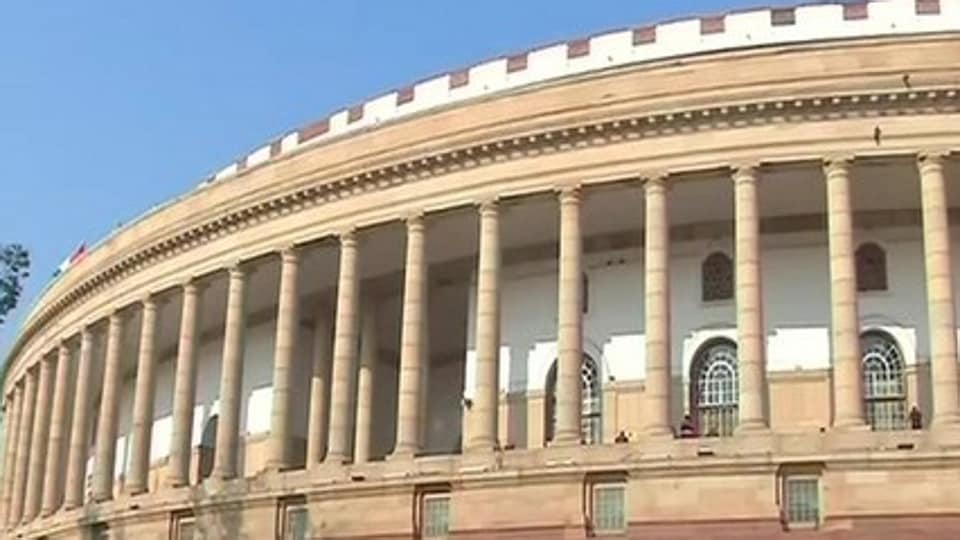
Notably, Union Health Minister Harsh Vardhan had moved a motion to take up Homoeopathy Central Council (Amendment) Bill, 2020 in the Rajya Sabha in the morning. He claimed that the Central Council of Homoeopathy did not cooperate with the Centre in carrying out its duties.
BJP MP Prasanna Acharya from Odisha also took part in the discussion and was of the view that there is a dire need to make the homoeopathy system “robust” for the needy.
“Homoeopathy is an old Indian system of medicine and it is accessible to the poor. So we need to make it robust.” However, he stressed on the proper need for demarcation of powers and functions which has not been addressed in the bill,” Acharya said in the Upper House during a discussion over the Homoeopathy Central Council (Amendment) Bill, 2020.
Dravida Munnetra Kazhagam (DMK) MP T Siva claimed that most Bills have taken state government powers stating, “This is one more attempt of this government to strike at roots of federalism. From the day they assumed office, most Bills passed have taken away the powers of state government.”
“Standing Committee has very clearly stated that there is no representation of State Medical Councils in the Advisory Council. So, it is recommended that there should be a provision for representation of elected members of State Medical Councils,” the DMK MP added.
Moreover, Congress leader Ripun Bora, after briefly describing the history of the Council stated that the government has a history of “taking away the autonomy “ of institutes and organisations.
The Homoeopathy Central Council (Amendment) Bill, 2020 was introduced in Rajya Sabha on September 14, 2020. The Bill amends the Homoeopathy Central Council Act, 1973.
The Act sets up the Central Council of Homoeopathy which regulates homoeopathic education and practice. The Bill replaces the Homoeopathy Central Council (Amendment) Ordinance, 2020 which was promulgated on April 24, 2020.


