
 E-Paper



WHO calls for urgent action on climate and health at COP28
Heat-related deaths among those aged over 65 years have risen by 70% worldwide in two decades, according to WHO’s figures

 Prefer HTon Google


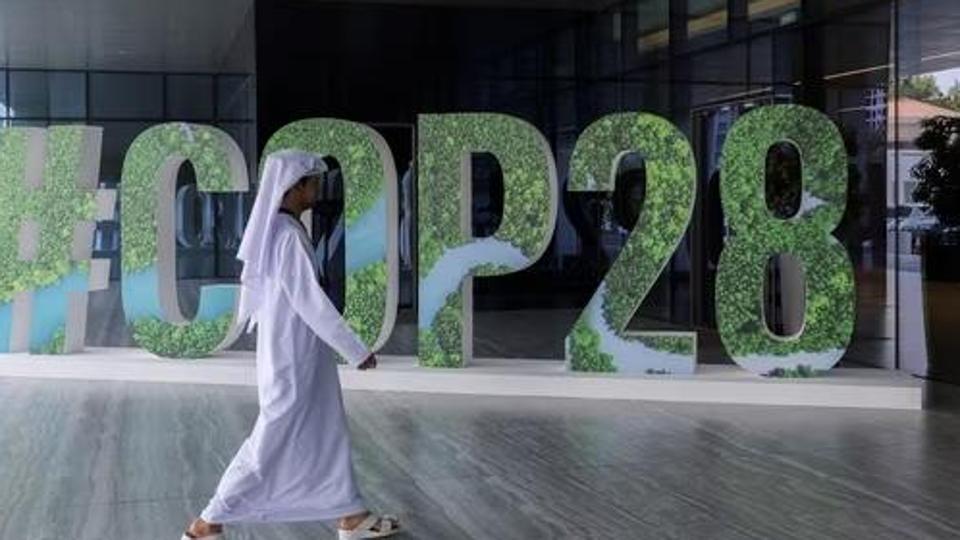
New Delhi: In the run-up to COP28, the World Health Organisation (WHO) together with the global health community, is raising its voice to ensure that the impact of climate change on health takes centre stage in the negotiations.
It is imperative to broaden the focus to human health in global discussions, leaving no room for excuses, and compelling negotiators to recognise that they bear the responsibility for the well-being of our most invaluable asset: The health of populations worldwide..
“Prioritising health is not just a choice; it is the foundation of resilient societies,” said Tedros Adhanom Ghebreyesus, WHO director-general. “Leaders must deliver in Dubai, providing the strong health outcomes their peoples expect and their economies urgently need. We must change the conversation and demonstrate the massive benefits of bolder climate action on our health and well-being.”
Quoting from thethat said that n IPCC report early 3.5 billion people— nearly half of humanity— live in areas highly vulnerable to climate change, the statement offered a terrifying glimpse of what lied ahead owing to extreme weather events.
Heat-related deaths among those aged over 65 years have risen by 70% worldwide in two decades, according to WHO’s figures. Only a dramatic and dedicated effort to limit warming to 1.5 °C will prevent a future much worse than what we see now, it said in the statement.
Increasingly frequent and severe extreme weather events, such as droughts, floods and heatwaves, will also strain healthcare infrastructure. Last year’s floods in Pakistan displaced eight million people and affected 33 million overall. Forecasts from the World Bank indicate that without bold and immediate action, climate change could displace approximately 216 million people by 2050.
It further said that the climate crisis is jeopardising lives and livelihoods, leading to global food systems struggling to sustain a growing population, and compromised water sources compounding the challenges. In parallel, climate change is catalysing a surge in infectious diseases like dengue and cholera, endangering millions. Now is the time for decisive and collaborative action to mitigate the health impacts of the climate crisis and build a sustainable future for all.
“As climate change poses an unprecedented challenge to health systems worldwide, it is also imperative that we strengthen our systems to be resilient, low carbon and sustainable. Failure to act swiftly will render health systems worldwide vulnerable to the overwhelming impacts of climate change.”
Climate change is not a distant threat, it said, adding it is a present danger affecting our health on multiple fronts.
“The health community asserts that climate change is already affecting our health, contributing to the spread of infectious diseases and vector-borne illnesses. There is an urgent need for negotiators to comprehend that climate change is a direct threat to global health that can no longer be ignored or downplayed. Adapting our health systems means upgrading key interventions such as vector control, epidemiological surveillance, and access to safe water and sanitation.”
Also Read: Oil and gas demand to peak by 2030: IEA
To reduce the negative impact on health, the health community stressed the importance of reducing and stopping emissions. According to WHO, seven million premature deaths annually are attributed to air pollution. Urgent mitigation measures, including transitioning to clean energy sources, are necessary to protect human health and create sustainable outcomes.
The health community highlighted the role health systems play in contributing to emissions, and advocates for greening the health sector. This involves decarbonising health systems, digitalizing medicine and implementing sustainable practices in hospitals and healthcare facilities to significantly reduce the 5% global emissions attributed to the health sector.
“Over 1 billion people worldwide are served by health-care facilities with unreliable electricity or no electricity at all. For low-income countries lacking access to electricity, the health community calls for an acceleration of access to clean energy. WHO is working with partners to accelerate electrification of health-care facilities through renewable energies and to harmonize medical supplies and lead a transformative change towards cleaner energy sources, better services and reduced reliance on diesel and gas.”
Recognising the financial disparity in health systems, the WHO-led Alliance for Transformative Action on Climate and Health (ATACH) is dedicated to realising the goals set at COP26 by leveraging the collective influence of WHO Member States and stakeholders to advance climate-resilient health systems. ATACH also focuses on identifying financing needs.
“With the health sector grappling with unprecedented challenges, it is imperative to address the glaring disparity in financial support. Currently, the sector receives a mere 0.5% of global climate financing. To effectively confront the many challenges ahead –from the ongoing global health crisis to the ever-evolving landscape of medical research and technological advancements – a substantial increase in resources is not only warranted but essential. By multiplying financial support, we can strengthen the sector’s ability to innovate, adapt and provide optimal care, ensuring a resilient healthcare infrastructure for the challenges of today and the uncertainties of tomorrow,” read the statement.


