
 E-Paper



Pilots struggle with crosswinds, tailwinds: DGCA
Pilots operating flights amid crosswinds and tailwinds are often clueless about procedures for safe operations owing to the absence of laid down procedures, according to aviation safety regulator.


Pilots operating flights amid crosswinds and tailwinds are often clueless about procedures for safe operations owing to the absence of laid down procedures, according to aviation safety regulator. While crosswinds are gusty winds that blow across the airstrip, tailwinds push an aircraft from behind, making take-off and touchdown a challenge for pilots.
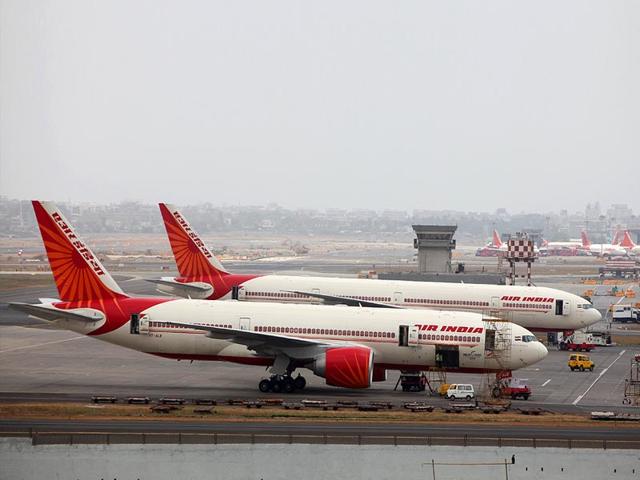
On Tuesday, the Directorate General of Civil Aviation (DGCA) asked domestic airlines to develop a policy on flight operations in such situations.
“Studies have revealed that a significant percentage of pilots have little knowledge of computing crosswinds and tailwinds values for safe flight operations. Therefore airlines need to individually develop a guide on the concern,” said a senior DGCA official requesting anonymity.
The DGCA’s recent audit in the matter also showed that crosswind and tailwind were primarily responsible in several air mishaps investigated over the last two decades. “The mishaps largely comprised of wingtip strikes, tail strikes, hard landings and runway skid-offs,” the official added.
While aircraft manufacturers come up with certain fixed limits for crosswind operations, the regulator’s notice stated that it is computed without taking several crucial factors in mind. For instance, the size of an airstrip, its condition and fluctuating visibility to pilots are not considered when these ‘generic’ values are derived.
The regulator has therefore asked domestic airlines to draft flight operations in such situations keeping to local weather factors in mind. “The limits should take into the account factors such as the gusts in crosswinds, whether an airstrip is wet, its size and the experience of the pilots,” said another DGCA official.
The Mumbai airport for instance, is one of the worst affected by crosswinds and tailwinds, said experts.
“Being close to the coast the wind patterns at Mumbai are quite erratic. Therefore a clearer policy on the matter is needed,” said a retired Airbus commander requesting anonymity.


