
 E-Paper



MP: After poor kharif season, low rabi yield may worsen farmers’ woes
Farmers in MP hoping for good days to arrive after a disastrous kharif (summer) crop yield are in for more misery as erratic weather has hit the sowing of rabi (winter) crop, mainly wheat.

 Prefer HTon Google


Farmers in MP hoping for good days to arrive after a disastrous kharif (summer) crop yield are in for more misery as erratic weather has hit the sowing of rabi (winter) crop, mainly wheat. MP is one of the top three wheat producers in the country.
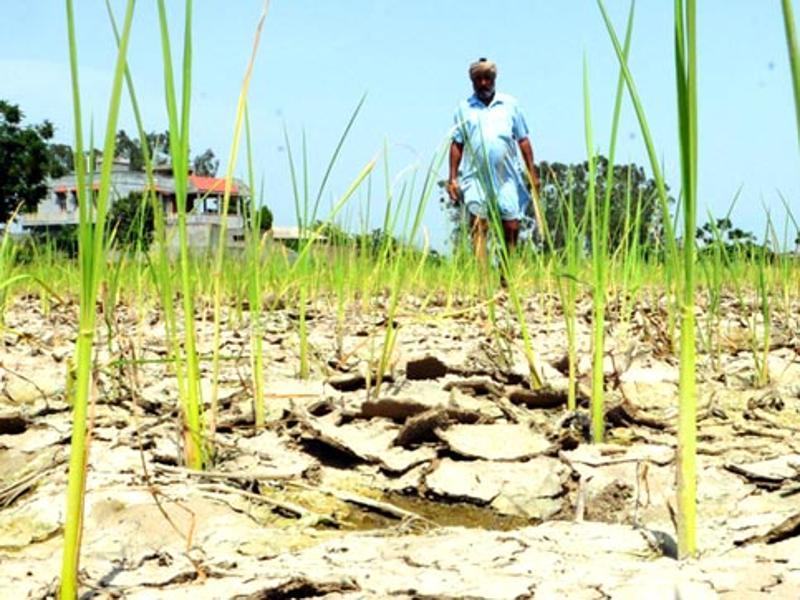
“We expect the wheat cultivation area to come down to about 57 lakh to 57.5 lakh hectares from 60 lakh hectares last year. On top of that, the crop yield will be lower than normal due to relatively warmer winter,” state agriculture director Mohanlal Meena told HT.
At present, farmers in the state have sown wheat crop of over 42 lakh hectares. Overall, rabi crop, which also includes chana, masur, mustard and peas, has been sown on 76 lakh hectares as against the target area of 105 lakh hectares.
“The temperatures have been worryingly high for this time of the year and it will certainly impact the yield of the early sown crop as low temperatures are needed for optimum tillering,” agriculture expert and farmer Samar Singh said. While government officials had cautioned farmers against hasty sowing of wheat, most farmers look at the time of the year rather than temperatures before sowing.
The Regional Meteorological Centre, Bhopal, has predicted a relatively warmer winter this year with temperatures expected to remain 1.5 to 2 degrees Celsius above normal. Higher average temperatures would translate into lesser intensity of cold, according to RMC.


