
 E-Paper



Bark to the beginning: Tracing spices through time

 Prefer HTon Google


Chinese courtiers used cloves to sweeten their breath; labourers at the great pyramids ate garlic for stamina. How far back does the spice trade go? Take a look
The clove is now an irritant; cardamom is considered so unpleasant, it has become a meme. This marks yet another shift in an ancient tale. Here’s an overview of the winding paths these tiny packs of flavour have taken.
c. 3000 BCE: Seeds found in Mohenjo-daro and Harappa, and traces of food residue found in cooking pots, suggest that spices such as turmeric and ginger were widely used across the Indus Valley Civilisation. Traces of mustard, cumin, and coriander are also found.
But spices in India likely go back much further. The Rig Veda, compiled c. 1500 BCE but containing verses believed to date much further back, mentions turmeric, sesame and long pepper, as well as mustard seeds and bitter orange, for use in food, rituals and medicinal treatments.
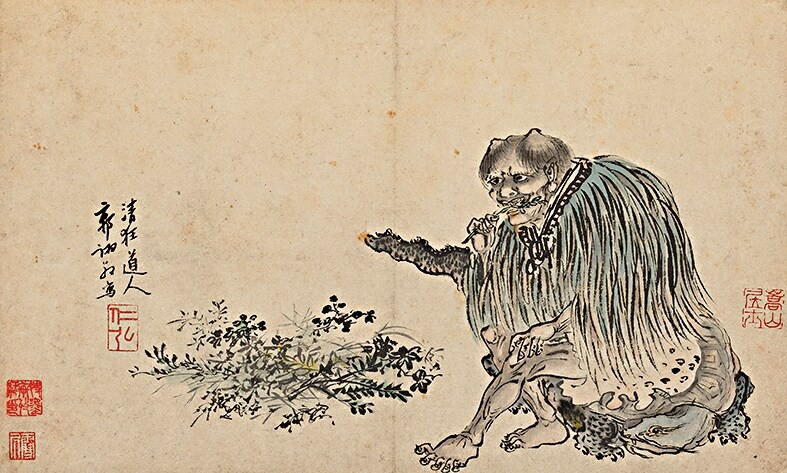
2700 BCE: In Ancient China, a text titled Pen Ts’ao Ching or The Classic Herbal is said to have been written by emperor Shen Nung, who would come to be known as the Father of Chinese Medicine. The earliest surviving version of this text dates to the 1st century CE, but it is said to retain his original list of hundreds of medicinal plants, including the cassia variety of cinnamon.
The earliest records show that spices, which grow abundantly here, were used widely in food, preserves, and medicines.
By the 3rd century BCE, royal courtiers were tucking cloves into their mouths to make their breath sweeter before they approached the emperor.
China has been importing spices too, for at least 2,000 years. Chief among these, even today, are nutmeg and cloves from Indonesia.
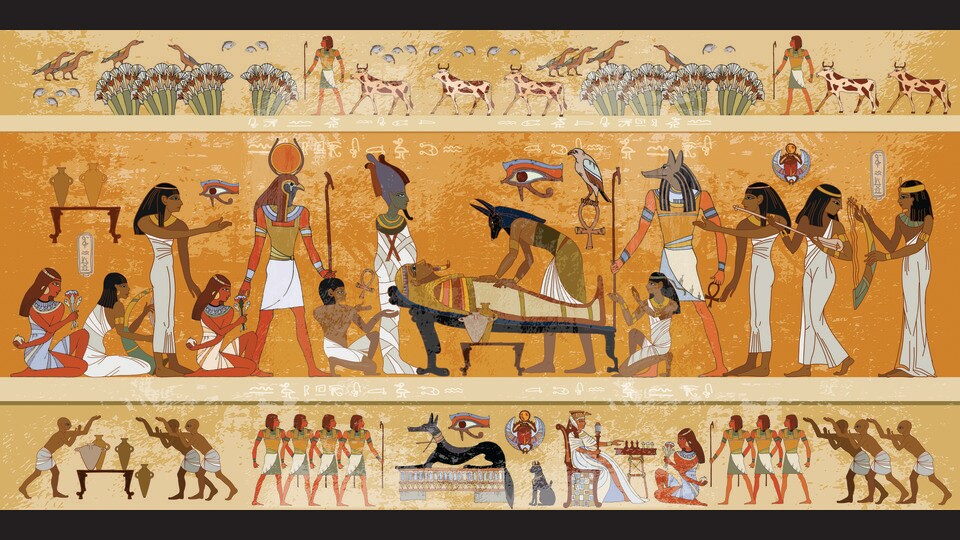
1500 BCE: The Ebyrus Papyrus from Ancient Egypt lists medical treatments that involve caraway, coriander, fennel, garlic, mint, onion, peppermint and poppy. Of these, only poppy would have been imported.
Onions and garlic were of supreme importance, records show. “Laborers who constructed the Great Pyramid of Cheops consumed onion and garlic to promote health as well as stamina and garlic cloves were found in the tomb of King Tutankhamen,” nutritional geographer Louis E Grivetti, professor emeritus of nutrition at University of California Davis, writes in a paper published in Nutrition Today in 2016.
Wooden replicas of garlic cloves have been found in other ancient tombs.
Cardamom and cloves, imported from across Africa and Asia, remain a key part of Egyptian cuisine.
c. 900 BCE: Cumin and cinnamon find mention in the Song of Solomon, in the Old Testament. There is mention of these being used in sacred anointing oils and in incense.
700 BCE: Records from ancient Mesopotamia point to the valleys of the Tigris and Euphrates as fertile sources of aromatic plants. As far back as 721 BCE, records indicate that King Merodach-Baladan II of Babylon (in modern-day Iraq) grew cardamom, coriander, garlic, thyme, saffron and turmeric in his gardens.
By the time of the rule of the 7th-century BCE king Ashurbanipal of Assyria (which included parts of modern-day Iraq, Turkey, Syria and Iran), sesame, turmeric, poppy, cumin, anise and dill were likely being traded in nearby regions as well.
With Mesopotamia serving as a vital hub of trade, spices were making their way to and from Asia, and to the Mediterranean region.
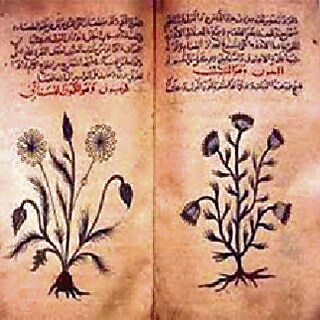
500 BCE: Hippocrates (460-377 BCE), considered the father of modern medicine, writes extensively about spices and herbs, including saffron, cinnamon and thyme, and their uses in medicinal concoctions.
But spices were also a luxury in Ancient Greece (and later, in Ancient Rome). Large sums were spent to import caraway and poppy seeds for bread, fennel for vinegar-based sauces, coriander as a condiment in food and wine, and mint for use in meat sauces.
It is said that Ancient Greeks wove parsley and marjoram into their laurel wreaths during feasts, believing this to delay inebriation. Wealthy citizens of Ancient Rome used spices in their wines, and in the essential oils that formed part of their elaborate post-bath rituals.
Research indicates that it is when the Roman Empire extended north of the Alps that the rest of Europe was first introduced to the rarer spices from the East, such as pepper and cinnamon. “These cultures were familiar with caraway, onions, rosemary, and thyme,” American agriculturist and author Frederic Rosengarten Jr writes, in The Book of Spices (1969), “and gradually became attracted to the Eastern spices.”
.
THE MAP OF GLOBAL TRADE TODAY
Pepper, dried chilli, cinnamon, turmeric and cumin are the world’s most-traded spices by value. Who’s buying, who’s selling? Which are the biggest hubs today? Take a look.
* Pepper remains the most highly traded spice in the world, by value. India, currently the world’s largest exporter of pepper (both ground and whole), shipped out over $1.42 billion worth of the spice in 2023, according to the UN Commodity Trade Statistics Database.
China came in second, exporting pepper worth about $929 million.
Vietnam came in third, exporting pepper worth about $875 million.
* Globally, China is the leading exporter of spices, with India a close second, according to the trade data consultancy TradeImex.
* India’s most-exported spice by value is chilli. India exported chilli worth about $1.5 billion in 2023-24, according to government of India data. Cumin is second on this list, with jeera worth over $700 million exported.
* The US is the world’s leading importer of spices. Other major importers include Saudi Arabia, Netherlands, Germany, UAE, Bangladesh, UK, Japan, Spain and France.
* Saffron remains the world’s most expensive spice, with 1 kg of pure Iranian saffron priced between $1,595 (about ₹1.40 lakh) and $1,952 (about ₹1.71 lakh) in 2024, according to the agri-food market intelligence platform Tridge.
* Vanilla is widely regarded as the world’s second-most expensive spice. Prices rose to as much as $600 (almost ₹53,000) per kg in 2018. Rates for premium Madagascar vanilla ranged from $15 ( ₹1,300) to $125 ( ₹11,000) per kg in 2024, according to Tridge.
* The spice trade is still expanding globally, at a compound annual growth rate of about 5%, according to TradeImex.


