
 E-Paper



Burn after watching: Deepanjana Pal writes on the streaming show Furious

 Prefer HTon Google


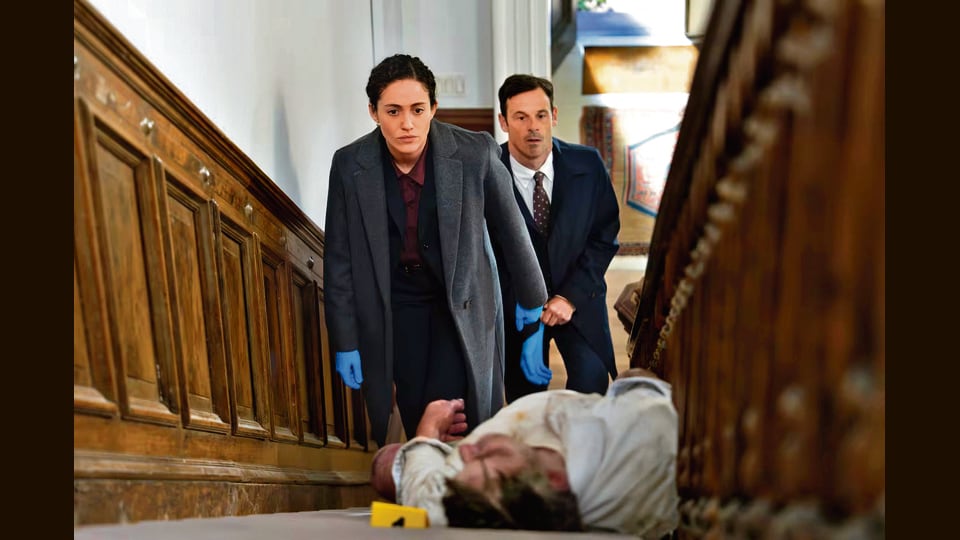
The series, about the search for a serial killer, is incandescent with rage; peopled by women looking to make you squirm. It’s brilliant, polished, thrilling.
I’ve been looking forward to Mondays of late. The blame for this unnatural behaviour falls on the terrific crime series Furious.
Until this series, which drops new episodes every Monday, writer and producer Elizabeth Meriwether was best known for the sweetly comedic sitcom New Girl (2011-18). Her most recent credit was the witty and heart-breaking Dying for Sex (2025), in which Michelle Williams plays a terminally ill cancer patient on a quest for an orgasm. Nothing in Meriwether’s roster prepared us for the dark brilliance of Furious.
True to its title, the show is about rage, particularly the rage of women who have been shown their place in a rigidly patriarchal world. Loosely inspired by the film Black Widow (1987), the series follows FBI agent Alice Black (Emmy Rossum) as she tries to catch a Machiavellian serial killer (played to perfection by Lola Petticrew).
The killer picks her targets with precision. The men on her list are powerful, wealthy, and have a history of preying on girls. Meanwhile Alice has to navigate office politics, an abusive ex-boyfriend and the trauma of intimate-partner violence.
Initially, Furious is a chase to catch this killer adept at using false identities and manipulation to get what she wants. With each successive episode, though, layers are peeled away and viewers embark on their own investigation into exactly how Alice, her tough-talking boss Nora (Quincy Tyler Bernstine) and the killer are really connected.
Meriwether trusts her directors, writers and cast with a story that has plenty of demons and no angels. Alice is a brilliant detective, but also a compulsive liar. Nora is wise and has the best one-liners, and is battling addiction. The serial killer is also a considerate nurse.
Women-led projects are often burdened by the idea of good women trapped in a sexist labyrinth (director Ambiecka Pandit’s listless new film, ASI Babita Singh Reporting, is an example of this). The anxiety to ensure a woman has the audience’s sympathy leads to characters defined by their victimhood. The women of Furious don’t want our sympathy. They want us to squirm at their helplessness, feel their rage and laugh out loud with them.
The most prominent men in the series, meanwhile, are pillars of this system. In a telling detail, the only two good guys are shunned by the establishment. One, a policeman (Scoot McNairy), is a pariah in his department. The other is the wheelchair-bound Alden (Steve Way), who proves himself to be braver and more gallant than knights of yore. Way, 35, a brilliant actor and comedian, was born with muscular dystrophy.
Furious is one of the best shows of 2026. The writing is brilliant, as is the direction. The show has a pitch-perfect soundtrack that complements the storytelling. The actors deliver phenomenal performances, shifting between suspense and comedy with ease.
It represents polished excellence, with none of today’s concessions to second screens, algorithms and data points. For all the darkness in its plot, the show is also incredibly hopeful, because in an age when series are expected to play out like background noise, it trusts its audience to be attentive and intelligent.
(Write to Deepanjana Pal @dpanjana on Instagram. The views expressed are personal)


