
 E-Paper



Everyday Explained: Why is there a hole in your pen cap? Know the fascinating reason behind the tiny opening

 Prefer HTon Google


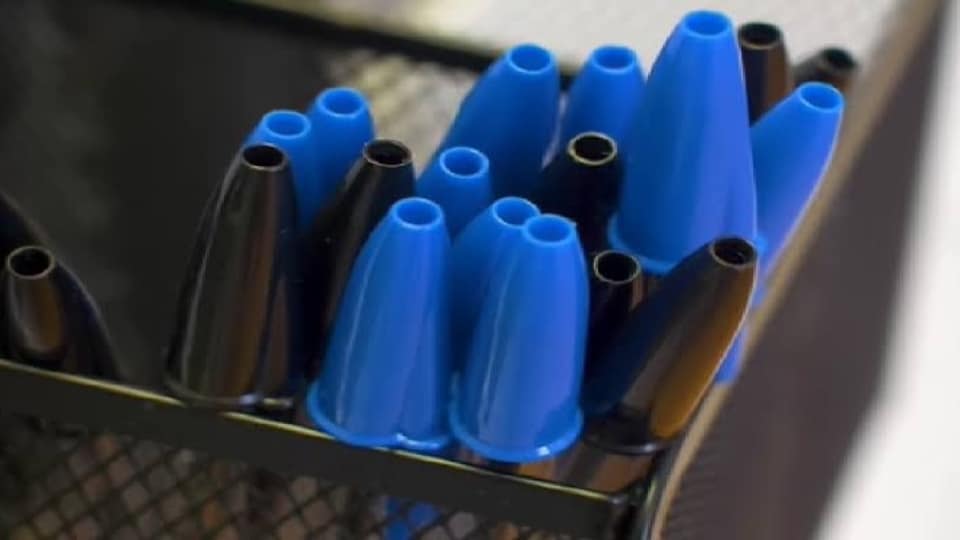
You may have used countless pens without ever questioning the tiny hole in their caps. But that small opening is a carefully considered part of the design.
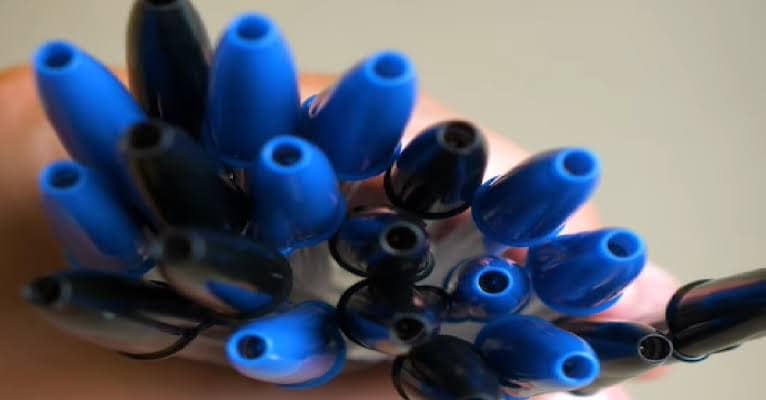
You have probably used hundreds of pens in your lifetime without giving much thought to their caps. But look closely at a typical ballpoint pen and you may notice a tiny hole at the top of the cap.
It might appear to be a minor design detail, or perhaps something added to make the cap look less airtight. In reality, the opening is connected to an important safety consideration that has shaped the design of pen caps over the years. (Also read: Everyday Explained: Why are piano keys black and white? Know the fascinating history, math and design behind the pattern )
So, why is there a hole in your pen cap? Let's find out.
Why is there a hole in your pen cap?
The opening in many pen caps is designed to allow air to pass through the cap, helping reduce the risk of asphyxiation if the cap is accidentally inhaled.
The International Organization for Standardization (ISO) has a specific standard for writing and marking instrument caps. ISO 11540:2021 sets requirements intended to reduce the risk of asphyxiation from pen and marker caps, particularly those likely to be used by children up to 14 years old.
The hole does not make a pen cap safe to swallow or inhale. Instead, the vented design can help prevent the cap from completely blocking the airway by allowing some airflow through it.
Why is this important for children?
Pens and markers are everyday objects that children commonly use, and young children may sometimes put stationery items in their mouths.
A pen cap that enters the airway can become a serious choking or asphyxiation hazard. This is why safety standards specifically address the design of caps and their ability to allow airflow.
ISO 11540:2021 applies to writing and marking instruments that are likely to be used by children up to 14 years old under normal or foreseeable circumstances.
Was the hole always part of pen design?
Pen caps have not always looked the way they do today. Safety requirements and designs evolved over time.
According to BIC's historical material, the cap of its BIC Cristal pen was drilled in 1991 to comply with British standard BS 7272-1, which was intended to reduce the risk of suffocation from accidental ingestion.
The change illustrates how a tiny feature that now seems completely ordinary became part of a broader approach to stationery safety.
Is the hole there to stop ink from drying?
A common assumption is that the hole has something to do with keeping the ink from drying or maintaining the pen's performance. However, the documented reason for a vented cap is primarily linked to safety.
BIC's own materials connect the hole in its Cristal cap with compliance with safety requirements, while ISO has a dedicated standard addressing the risk of asphyxiation from writing-instrument caps.
It is also worth noting that some pens have other openings for different reasons. In the BIC Cristal, for instance, a hole in the barrel helps balance pressure inside and outside the pen and prevent leakage. That is separate from the hole in the cap.
So, why is there a hole in your pen cap?
That tiny opening is more than a design quirk. In many pens, it is part of a safety-conscious design that allows air to pass through the cap and helps reduce the risk of asphyxiation if the cap is accidentally inhaled.
So, the next time you click a pen shut, that little hole is a reminder that even the simplest everyday objects can have carefully considered engineering behind them.


