
 E-Paper



Goan in a new direction: Inside the fight to save heritage, traditions,histories


A wave of change is sweeping over the idyllic beach state. See how Goa is becoming a place of innovation for a sustainable, collective future.
To see how the tide is turning in India’s holiday state, look beyond your selfie frame. Peer past the Goa you know: calamari at the shacks, sangeets by the sea, apple-cider mead on the breakfast menu, pranayam under a palm tree.
Approximately 7.1 million domestic tourists and almost 1 million foreign tourists visited in 2019, generating direct and indirect jobs for more than 40% of the population. But amidst an industry relentlessly picking at the state’s riches you’ll see that natives and long-term residents are starting to do the right thing.
“Goans are tired of how we are constantly portrayed in Bollywood,” says Goa-born Hansel Vaz. “We’re seen as the guys whiling away our time in our beach shirts, strumming the guitar, or pouring a drink for an Uncle Tony who is barely ever sober. That’s not us and that’s the image we want to change.”
Vaz is the founder of the premium feni brand Cazulo. He’s also trying to revive the production of lesser-known coconut feni across the state. He’s among a new generation of Goans – educated, enterprising, socially and environmentally aware – imagining a brighter future for Goa.
Along the golden coast, focused efforts are on to study microplastics in the sand, in the hope that it improves sea-turtle nesting patterns. Out in the ocean, seaweed farming is taking hold, and harvests are becoming a new source of income for fishing communities. Pockets of ancient history, long ignored and left to crumble, are being discovered anew, fostering a sense of ownership among a new generation. Local traditions are being formally recognised before they disappear completely.
No one’s taking the susegaad way out. “It’s interesting to note how a new Goa has emerged out of the pandemic,” says Vivek Menezes, photographer, writer and co-founder of the Goa Arts + Literature Festival. During the 2020 lockdown, the state found itself facing a severe environmental threat. Three major infrastructure projects were targeting its fragile Western Ghats – a UNESCO World Heritage site – and its port was on its way to becoming a high-polluting coal hub. Locals sprang into action, spreading the word across social media, planning not just all-night vigils and protest gatherings, but also creative writing and art competitions. “It took an amazing effort by an entirely new generation of locals who are committed to protecting their heritage to force a review.”
As more urban Indians have shifted base to Goa to be closer to nature during the lockdowns, they’ve changed the way real estate functioned too. “Many people bought plots of land once thriving with rich biodiversity like trees and ground water aquifers, and turned them into gated villas with large swimming pools and impermeable surfaces,” says environmental engineer Sanober Durrani. Local initiatives such as the Goa Banyan Project, which she founded in 2019, aims to geo-tag and save banyan trees across the state. It’s another small but significant movement to ensure that all is not lost to future holiday homes.
As the Covid-19 curbs ease, and India starts to head back to its favourite vacation spot, a different Goa awaits. It’s one where locals are exploring community-based tourism initiatives and where residents are better invested in the natural heritage of their home state. As the tide turns, take a look at some of the people driving the change.
A new high for feni: Cazulo
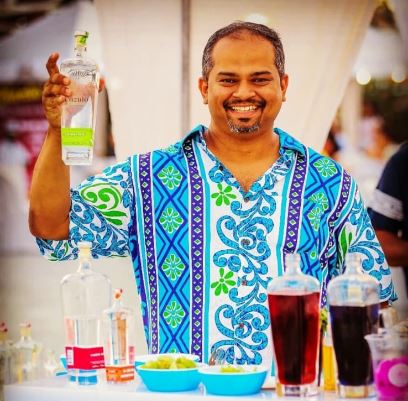
For years, feni, the fiery Goan spirit, remained nothing more than a local tipple, a souvenir for revellers to take back home as they left. Then in 2012, Hansel Vaz gave the drink a premium makeover by launching his own brand Cazulo. “Cashew feni got its rightful place in the sun, getting a GI tag in 2009, but the same can’t be said about coconut feni,” he says.
Coconut feni, made from coconut toddy or palm sap, was the only variant brewed in Goa before the Portuguese brought cashew from Brazil around 1555. More popular in south Goa, the indigenous drink has no pungency usually associated with the drink. Instead, there’s more vegetal aroma or, as Vaz says, “the scent of an entire coconut tree”.
Still, the second-generation feni maker has been struggling to keep the industry alive. A good yield from a tree is two to three litres of coconut toddy a day. It takes 6.6 litres of coconut toddy to produce a single litre of double distilled feni which costs around ₹200. But rendeiro or toddy tappers are becoming harder to find. The work was traditionally done by landless or lower castes. That stigma forced the younger generation to opt-out of the otherwise lucrative profession.
Vaz has been learning about distillation styles and has been documenting as many otherwise undisclosed coconut feni recipes he can collect from local distillers. He is also helping with the process of getting coconut feni a GI tag. Of the 26 expressions of feni available, 23 are based on coconut feni, including conserva a dessert liqueur or the botanical feni that is vapour-infused with herbs.
Goa has been undergoing a big churn with the unbridled growth that tourism has brought into the state, says Vaz. “But this change has to positively impact the local people—the toddy tappers and the distillers—who make Goa what it is.”
.
Telling tales from a past fast fading: Outdoor Museums of Goa

In his latest book Outdoor Museums of Goa, photographer Pantaleão Fernandes heads to the Goan countryside, its hills, fields, villages and forests, to observe remnants of the forgotten past. He finds and photographs prehistoric rock etchings and carvings, stone circles marking ancient burial sites and menhirs. Also in the book are hero stones, with images depicting brave stories of men who sacrificed their lives for their villages. Most of Fernandes’ finds are hidden in plain sight, out in the open, ignored and slowly disintegrating.
Fernandes, a local civil engineer, left his construction business 18 years ago to explore Goa’s lesser-known villages. “Goa lives and thrives in her villages, among the tribal communities, in people’s traditional beliefs, cuisines and costumes,” he says. He grew up seeing people whose jobs were plucking coconut, extracting toddy, coating home floors with dung, and cultivating brown rice. “These jobs and traditions were fast disappearing and needed to be documented before no one remembered them anymore,” he says.
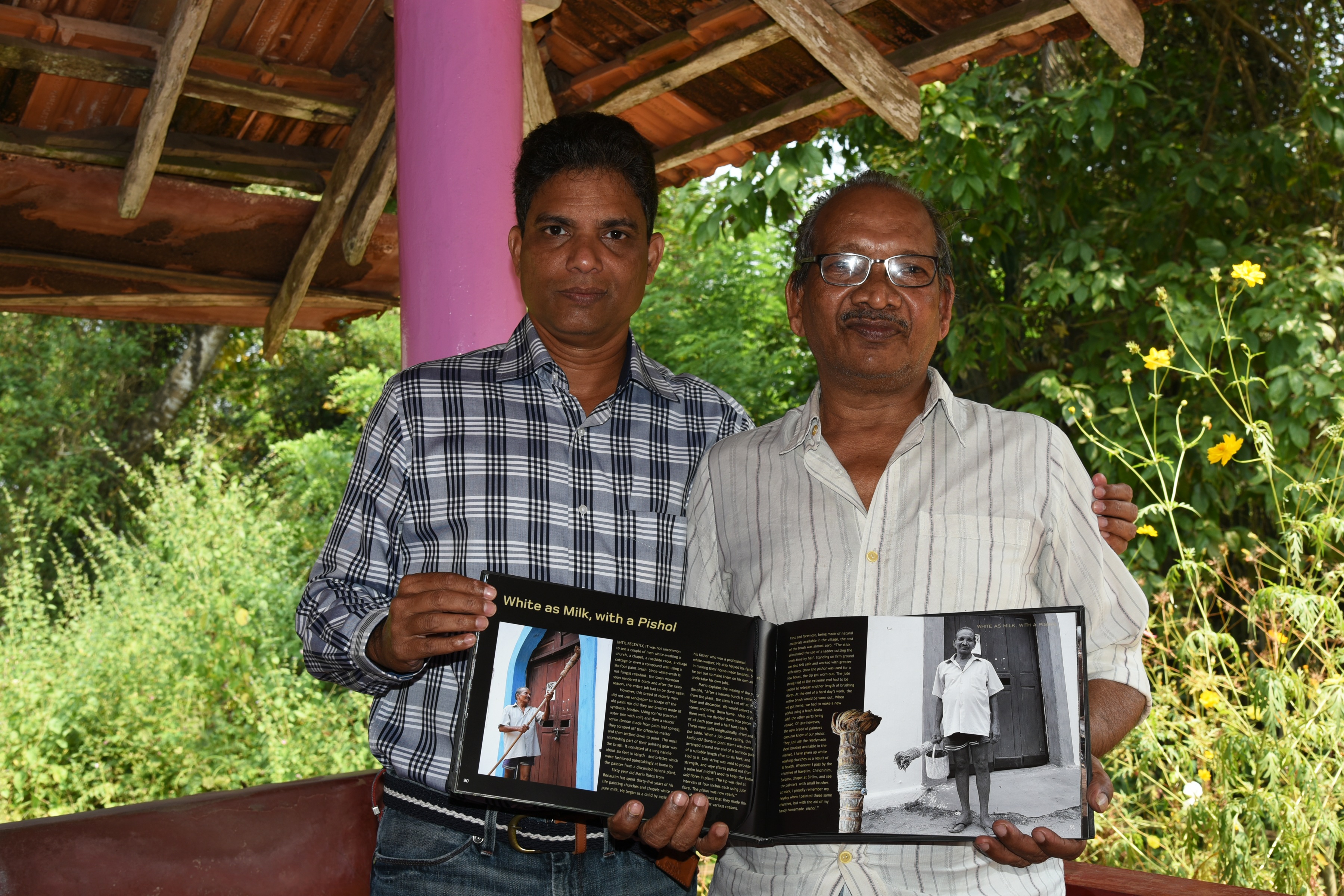
He catalogued 50 of these in his 2015 book Traditional Occupations of Goa. In 2018, he published Goa Rare Portraits, documenting the Gaudi, Kunbi, Kulmi and Dhangar communities and their unique costumes and customs. “I connect with them at a deeper level as they evoke memories of my childhood surrounded by soil, plants and men and women who worked hard to make a living. They are usually very forthcoming and love to discuss their cultures, proud of their legacy and toil,” he says.
He’s currently working on a book on the traditional food of Goa and another on the feasts and zatras in the state. He says, “There is really a lot to write about in Goa. One just needs to find the resources.”
.
More shells on the sea shore: Morjim Sea Turtle Trust
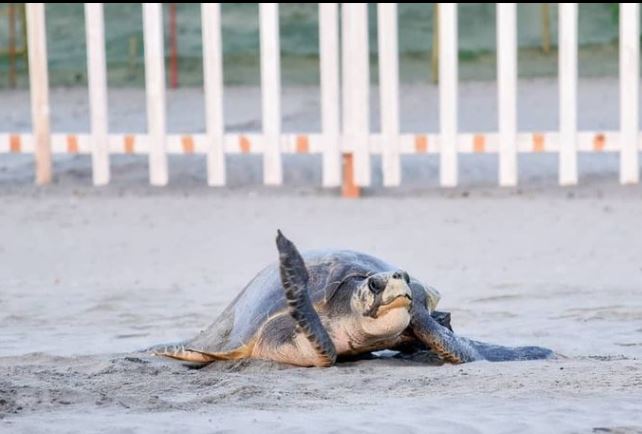
You can’t watch Olive Ridley hatchlings bravely make their way to the sea seconds after hatching without your heart-melting just a little bit. “It’s like little bottle caps with tiny flippers trying to run to the ocean as fast as they can,” says Goa’s Sarita Fernandes, 26, marine and coastal policy researcher and managing trustee of Morjim Sea Turtle Trust (MSTT). But turtle habitats along India’s coastline are under constant threat from burgeoning infrastructure projects. Locals also steal their eggs for food, poach them for meat and their nesting sites are attacked by dogs and other prey.
In 2020, Fernandes decided to do what she could for the sites in Morjim, Mandrem, Agonda and Galgibag. The MSTT works with local communities and the forest department, and also pursues research projects, documents marine life, engages in policy advocacy and takes steps to improve nesting habitats. They’ve also tied up with local artisans to sell sustainable handicrafts such as bamboo toothbrushes, coconut shell bowls, and planters through their website, Kasoi (the Konkani word for sea turtle). “This is to eventually make MSTT self-sustaining because finding funds for conservation projects is the biggest hurdle we face,” says Fernandes.

MSTT is currently studying how microplastics in the sand determine the gender of turtle hatchlings at nesting sites and monitoring why female sea-turtles choose to nest in Agonda instead of the more secluded Galgibag. “We learnt that the roots of the beach creeper, hypomia, found abundantly in Galgibag grow deep into the sand absorbing moisture and destroying the nesting eggs,” says Fernandes. Microplastics can be found up to two feet into the sand, where the turtles lay their eggs. One hypothesis is that they contribute to a rise in temperature which causes the eggs to incubate at a high temperature, resulting in female hatchlings.
The trust also conducted the Morjim Sea Turtle festival in 2021, but interest from local shack owners has waned over the years. “Communities here are still fighting for access to better sanitation and disaster shelters; it is difficult to put equal interest in conservation with no tangible or foreseeable returns,” says Fernandes. But nesting sites can be a huge tourist draw, bringing in revenue through sustainable tourism. “The solution lies in changing the narrative of how you use tourism to improve the lifestyle of locals and create more awareness about marine life. That’s what makes local initiatives stand out,” adds Fernandes.
.
Mapping a natural legacy: Goa Banyan Project
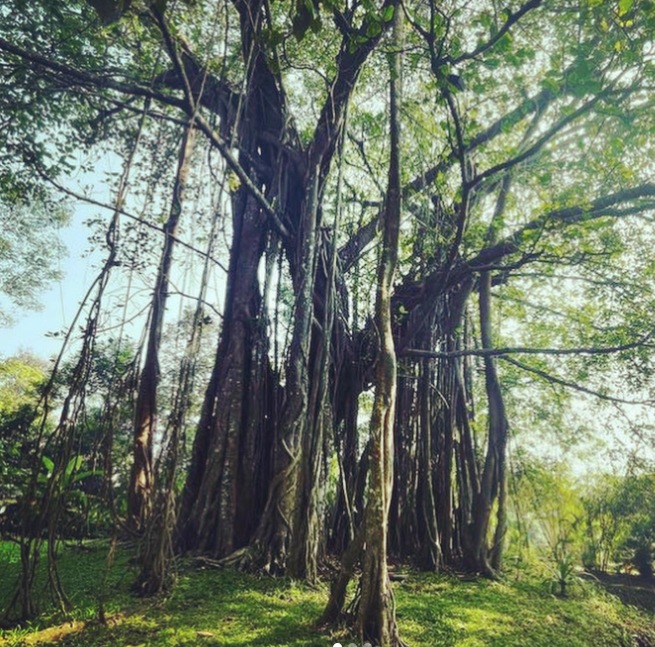
Tragedy propelled environmental engineer Sanober Durrani into action in 2018. She’d returned from a holiday to her home in North Goa to find that a large banyan tree in her village had been, as she puts it “hacked to death” for no discernible reason. By January 2019, she started the Goa Banyan Project to rope in the local community and propel a conservation movement so that no other banyan tree across the state would meet the same fate.
Goa Banyan Project makes note of each banyan with its location and date of documentation, along with markers signifying its current status. A black marker stands for a cut or felled banyan; red for those in potential danger of being cut or felled (such as those near power lines, road easements or land marked for property development); blue for indiscernible status; and green for those banyans that seem safe from immediate or future threat.

So far, the project has tagged over 300 trees and helped conserve about five from being cut or felled by employing intervention, dialogue and community action at the right time.
“I see a banyan as a physical cultural resource, an ancient legacy that is easily identifiable to the current generation,” says Durrani. Banyans are referenced in Indian mythology as a revered resting place for the Gods. They also host a complex microhabitat under their comfortingly large canopy. Durrani says that roping in individuals in a community to locate, record and tag banyans helps foster community engagement. This helps raise awareness, social capital and cooperation for conservation action. The project has shown that if or when a recorded tree is under threat of being cut or felled, individuals will raise an alarm and inform others in the community who can potentially help. “This makes the community unite for conservation,” says Durrani.
In August 2020, Goa Banyan Project helped a fallen banyan in Arambol back on its feet, with the help of locals, community, environmental organisations, and a translocator from Hyderabad. The project, Durrani says, is documenting the legacy trees in the state. “Such local efforts may be considered contemporary movements that set the tone for the future.” says Durrani.
.
Swimming for your supper: The Good Ocean
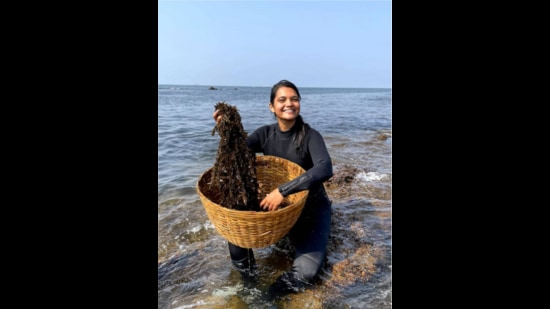
Along Goa’s 100-km long coastline, beyond its shack-studded beaches, lie 145 species of seaweeds—and most of them are edible. Marine conservationist and Goa native, Gabriella D’cruz, 30, believes these slithery plants in low tide pools are a superfood. They can even help struggling coastal communities find a new source of income.
Traditionally, India’s seaweed was largely collected to make agar, a gelatin substitute, or for fertiliser. D’cruz says its umami flavour makes it a good ingredient for Asian dishes and also a nutritious fish replacement in vegan and gourmet foods. Seaweed is also highly valued in the global beauty industry because it is high in antioxidants, amino acids and vitamin C. “In India, seaweed salts have a big potential because of their nutrition value and our love for seasoning,” says D’cruz.
D’cruz researched Goa’s native seaweed species for more than five years before setting up The Good Ocean in 2020. Her business supplies seaweeds to restaurants such as chef Pablo Miranda’s Makutsu, and to beauty and pharmaceutical companies, where the seaweed is used in skin treatments. In December, along with a Goa-based conservation consultancy EcoNiche, she also set up two seaweed farms, essentially a collection of large bamboo and coir rafts in the seas, in Goa and in Kumta, Karnataka.
More seaweed isn’t just good for the economy; it’s good for the Earth too. “They are like powerhouses of the sea because they absorb carbon and support other marine creatures such as turtles and nudibranchs,” says D’cruz.
Her efforts won her the BBC Global Youth Champion award in 2021. It’s a win for Goa too. D’cruz spent most of her childhood playing among trees, collecting wild berries on hills and chasing fish in freshwater streams. “I’ve grown up in a community that cares about nature and is open to experimentation,” she says. “Goa has always been a testing bed for innovation; people are warm, accepting of new ideas.” She hopes that the coastal community will look at seaweed as a viable form of revenue, sparking the need for more climate-smart, regenerative farming initiatives.
 ABOUT THE AUTHORAnesha George
Anesha is a features writer, sometimes a reader, who loves to eat and plan fitness goals she can never keep. She writes on food, culture and youth trends.


