
 E-Paper



LOOKING AT THE EVOLVING CULTURE OF THE NAGAS

 Prefer HTon Google


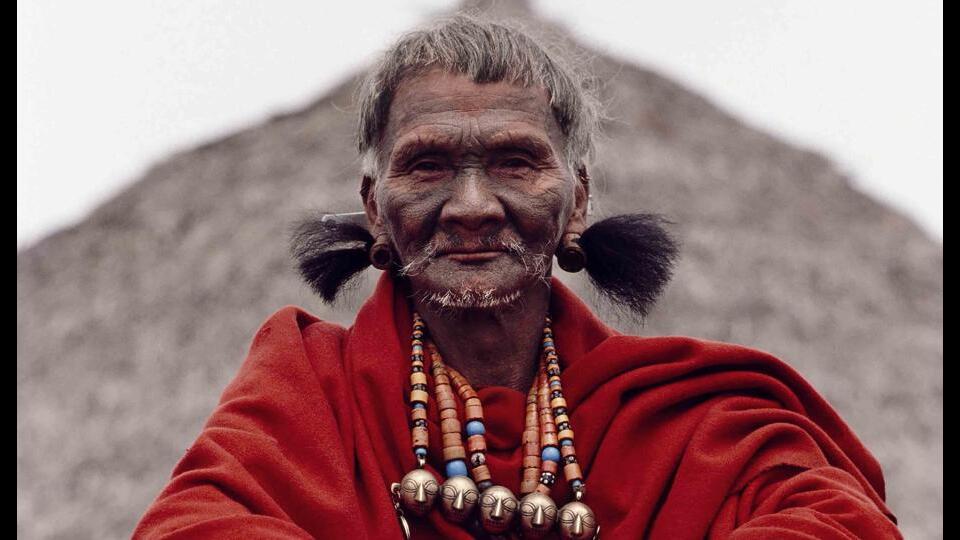
In an ongoing exhibition, titled The Nagas, veteran photojournalist Pablo Bartholomew is displaying photos of the tribes from Nagaland that he clicked from 1989 to 2009
In an ongoing exhibition, titled The Nagas, veteran photojournalist Pablo Bartholomew is displaying photos of the tribes from Nagaland that he clicked from 1989 to 2009. Known to be reclusive and dangerous sometimes, the Nagas are a group that is best steered clear of. However, after hearing stories of their generosity from his refugee father, Bartholomew went in search of them to understand these feared tribes a little better.
Bartholomew’s father was a refugee, who left Myanmar after the Second World War. They travelled through the Naga territory and when their family didn’t have food or water, the tribes helped them out. He says, “As a refugee, your future is very bleak and these moments are reassuring.”
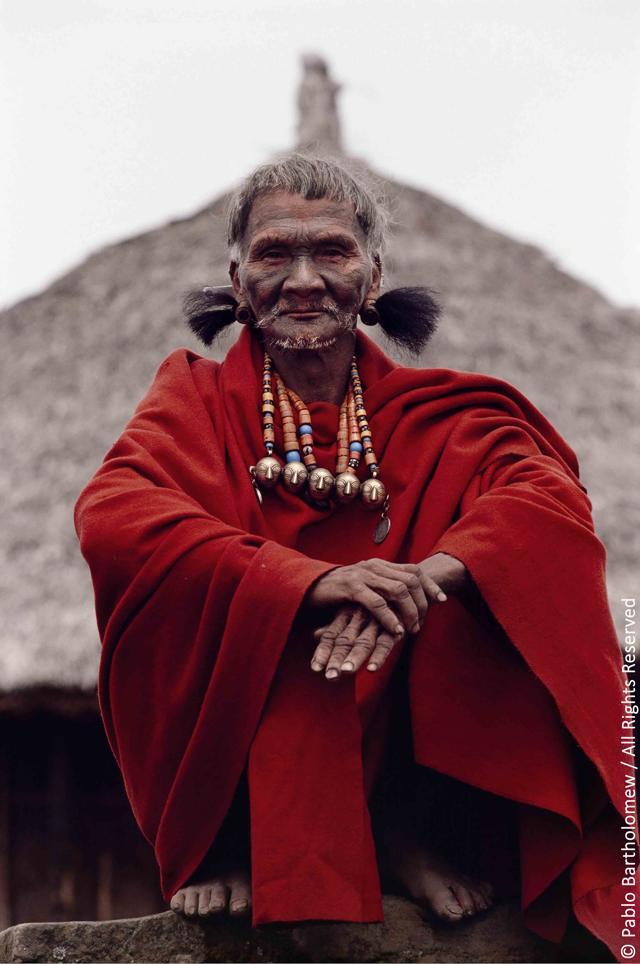
Talking about his own time with the Nagas, he says, “It was a very difficult terrain to work in because of the insurgency. No one wanted a photographer or a journalist wandering through those areas.”
The roads were no cakewalk either, as they were inaccessible and long winded. Even travelling short distances was time consuming. It could take two days just to travel to a village that was only 10km away.
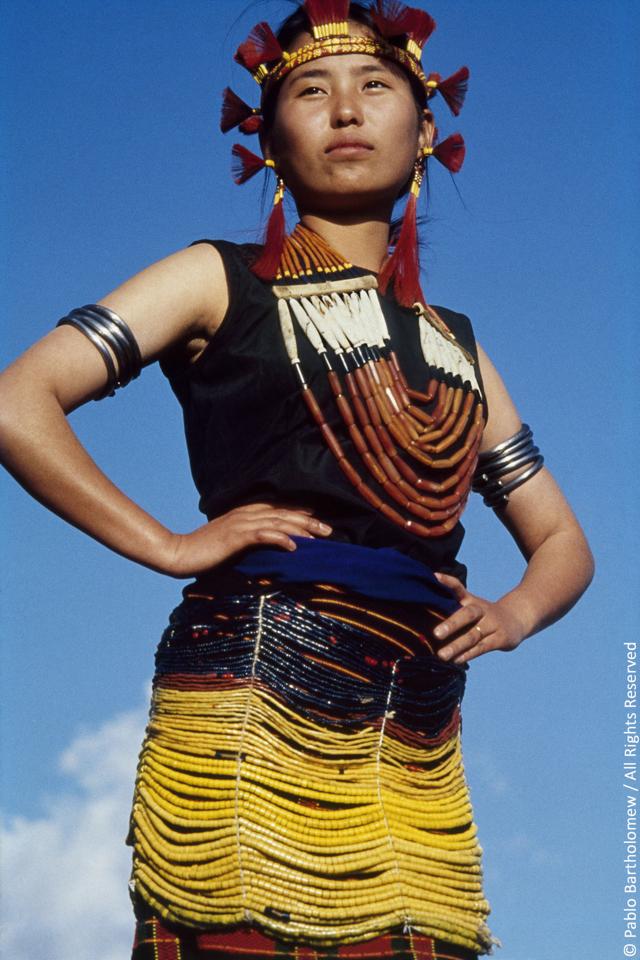
Bartholomew says the main aim for his photographs was to document the Naga’s culture and traditions that are slowly getting decimated in a “very classic anthropological manner”. This is due to the spread of Christianity and the westernisation of the younger generations. “The Nagas are in a limbo, especially the youth, who are westernised, but they do not know what their roots are,” he adds.
To illustrate this point, Bartholomew describes one of his favourite images, of a Naga chief from a headhunter tribe. When he first visited the chief in 1989, he is seen proudly standing in his hut, in front of his skull display. When Bartholomew went back the next year, the hut had been dismantled “because the younger villagers were ashamed and had pressurised the ailing chief”.
For this exhibition, the photographer wanted the visitors to get a real feel of the Naga’s lives and culture. In order to do that, typical Naga artefacts, furniture and other objects from the Great Eastern Home, Byculla have been arranged along with the photographs. Bartholomew says, “The two rooms in the gallery show the two different lives of the Nagas. The first room shows its traditional side with the farming, animism and their festivities. The second room shows the modern Nagas in churches, at fashion shows, wearing western clothes.”
What: The Nagas
Where: Nine Fish Art Gallery, Byculla, Mumbai
When: On till March 24


