
 E-Paper



Hearts on our sleeves: Bhanuj Kappal lists his favourite works of LP art

 Prefer HTon Google


Anti-capitalist creeds, gnomic mantras, cryptic messages and art for art’s sake... tour a Wknd list of Top 10 album covers.
If there’s one musical artefact that rivals the long-playing record in symbolic power, it is the LP sleeve. That 12” x 12” grid square — coincidentally, a perfect frame for a life-sized photograph of the human head — has been the canvas on which generations of designers have imagined new aesthetics for new sounds and musical movements.
Anti-capitalist creeds, gnomic mantras, nods to esoteric sources of inspiration and other cryptic messages, meanwhile, have been hidden amid lyrics and production credits, on the sleeve liner.
The vinyl album cover continues to be celebrated, even as the music it illustrates is increasingly consumed in intangible forms. Here is a list of 10 of my favourite LP album covers of all time.
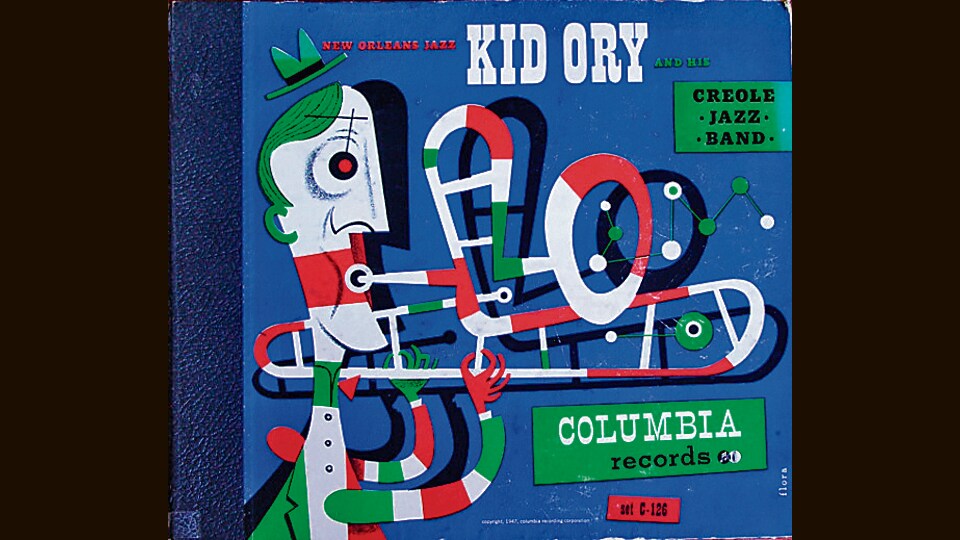
Kid Ory and His Creole Jazz Band – New Orleans Jazz (Columbia Records, 1947)
Jim Flora’s surrealist caricatures — like this Picasso-skewed portrait of Kid Ory — brought innovative post-war jazz music into conversation with contemporary art, helping elevate jazz from dance-floor rhythm to prestige art form in the public imagination.
.
Sonny Clark Trio (Blue Note Records; 1958)
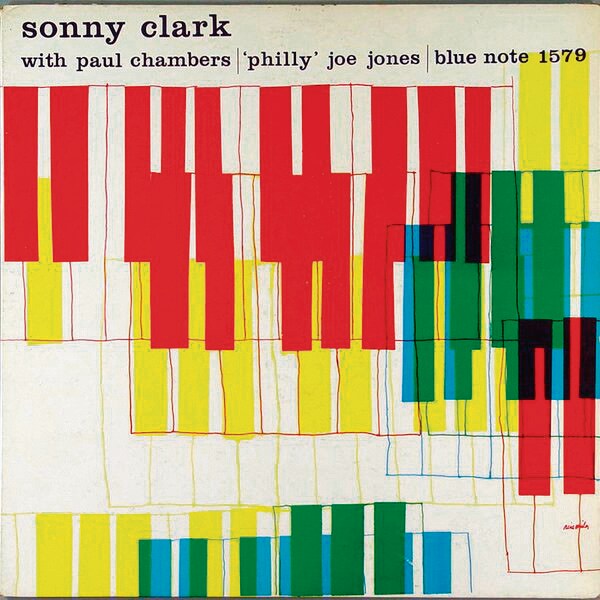
Reid Miles’s modernist covers — such as this Corbusier-esque artwork — helped create a visual identity and aesthetic for the iconic jazz recording label.
.
Sgt Pepper’s Lonely Hearts Club Band by The Beatles (Parlophone; 1967)
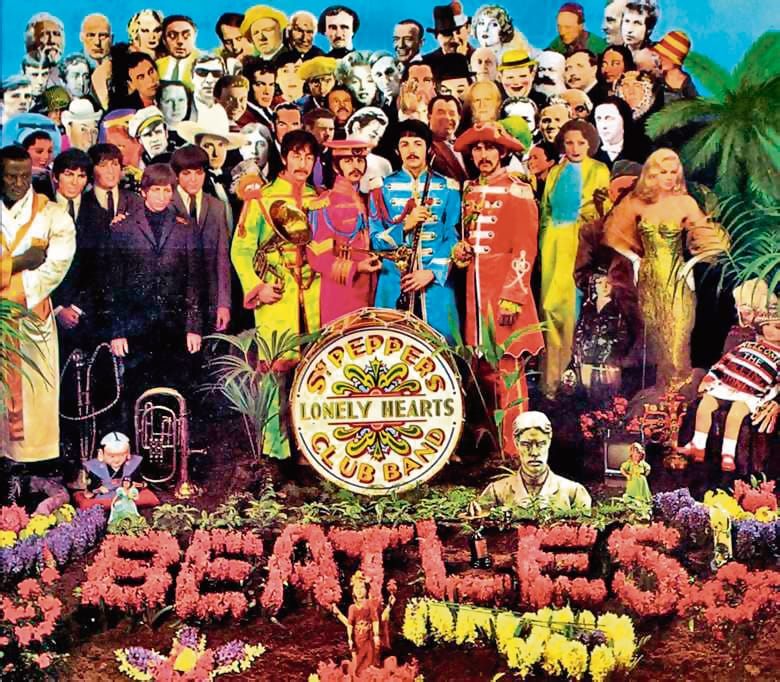
It wasn’t just the music on the eighth studio album of The Beatles that had a transformative effect on the rock LP. Peter Blake and Jann Haworth’s elaborate, allusive album art — showcasing the band in a park surrounded by icons from across the ages — was the final step on the record sleeve’s journey from commercial packaging to legitimate art object.
.
The Velvet Underground & Nico (Verve Records; 1967)
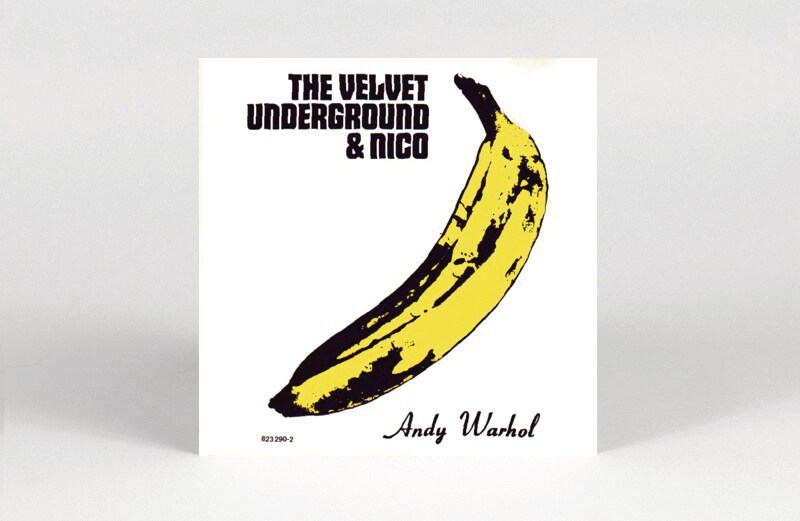
Early versions of Andy Warhol’s banana print album art for the rock band Velvet Underground’s debut album said “Peel slowly and see”, and had a peel-away sticker with a fleshy pink banana underneath. Wry, iconic and slightly raunchy, this cover would go on to influence a generation of punk and post-punk designers.
.
Bitches Brew by Miles Davis (Columbia Records; 1970)
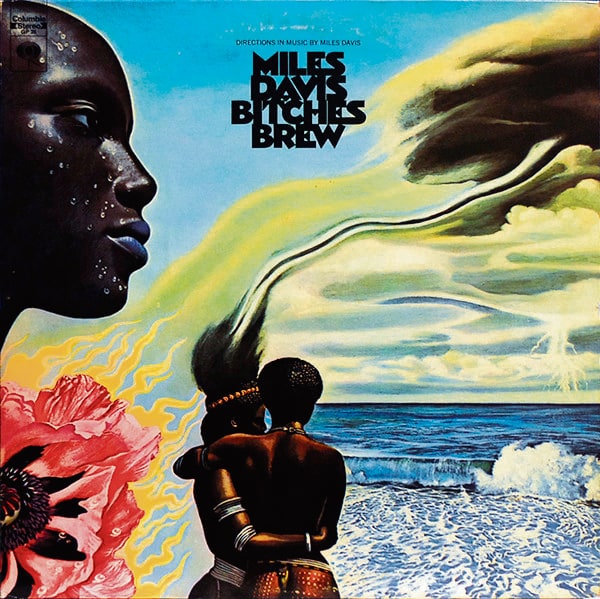
German painter Mati Klarwein created this surrealist and psychedelic vision of African folk art for Miles Davis’s breathtaking jazz-fusion classic.
.
The Dark Side of the Moon by Pink Floyd (EMI; 1973)
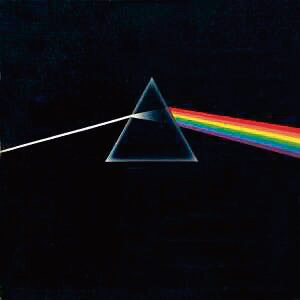
This rainbow-prism cover would turn Storm Thorgerson and Aubrey Powell, founders of the album cover design firm Hipgnosis, into the most sought-after sleeve designers in the 1970s and ’80s. It remains one of the most reproduced and referenced images in the world, up there with the Che Guevara portrait (which was taken, incidentally, by the Cuban photographer Alberto Korda).
.
Island Life by Grace Jones (Island Records; 1985)
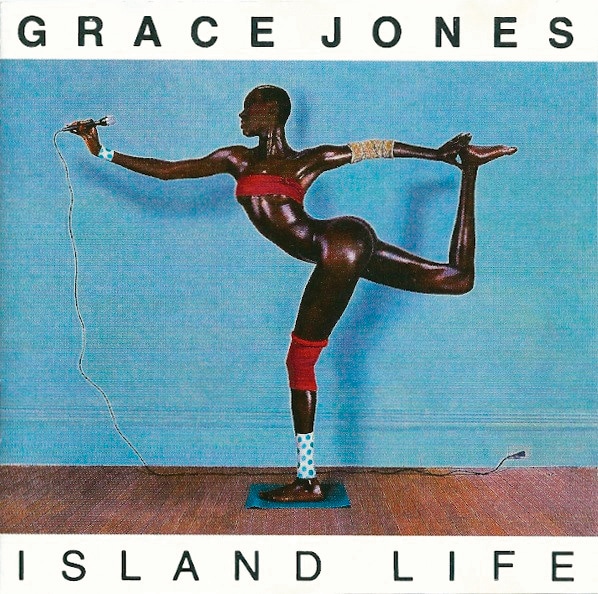
Long before he “broke the internet” with Kim Kardashian in 2015, designer and photographer Jean-Paul Goude (now 84) create this physiology-defying cover, styling Jamaican-American model and singer Grace Jones as a celebration of black power and black beauty.
.
Meat Is Murder by The Smiths (Rough Trade Records; 1985)
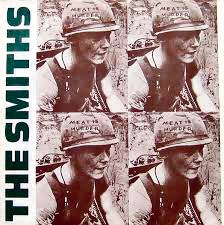
On this somewhat controversial cover, Morrissey of the English rock band The Smiths draws a straight line between the meat industry and the mass slaughter of the Vietnam War (1955-75). The image was a famous one by then, of a 20-year-old Marine named Michael Wynn with a slogan on his helmet that read: Make War Not Love. Morrissey’s cover replaces the text with the words Meat Is Murder.
.
Nevermind by Nirvana (DGC Records; 1991)
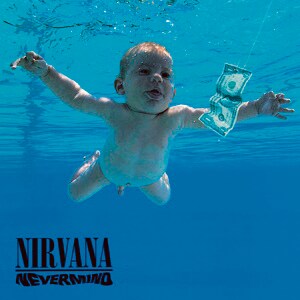
For their major label debut, Nirvana chose a photograph of a naked baby reaching for a one-dollar note underwater, a critique of American consumerism that rung particularly true in the wake of the hedonistic 1980s.
.
To Pimp a Butterfly by Kendrick Lamar (Top Dawg Entertainment; 2015)
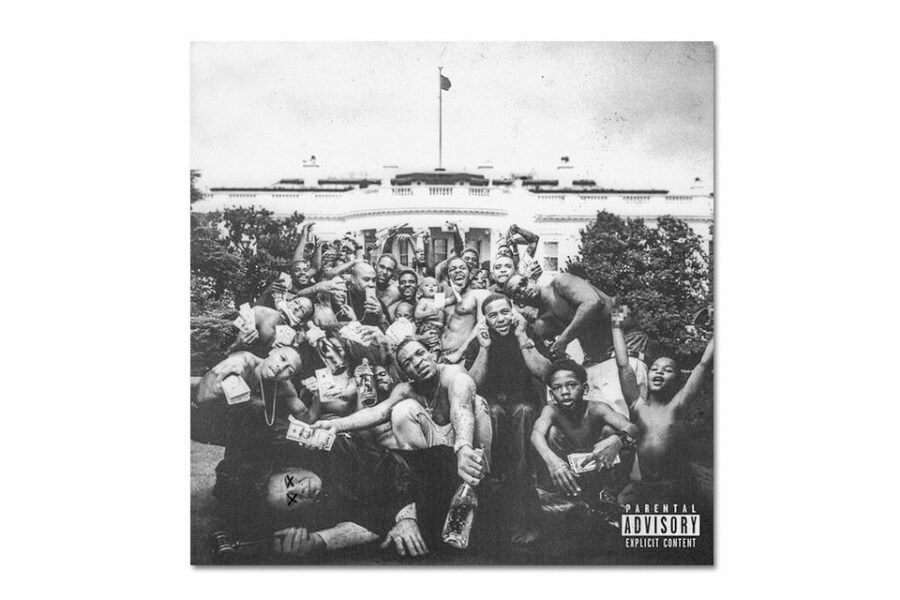
What would a Black revolt look like in the US? Victorious revolutionaries celebrate over the body of a White judge, on the lawns of the White House, in the cover for an album that also seeks to represent the raw anger and despair of Black Americans in a Black Lives Matter vs All Lives Matter America.


