
 E-Paper



Tracking south India’s hero stones: What does it take to find the tiny, hidden memorials?

 Prefer HTon Google


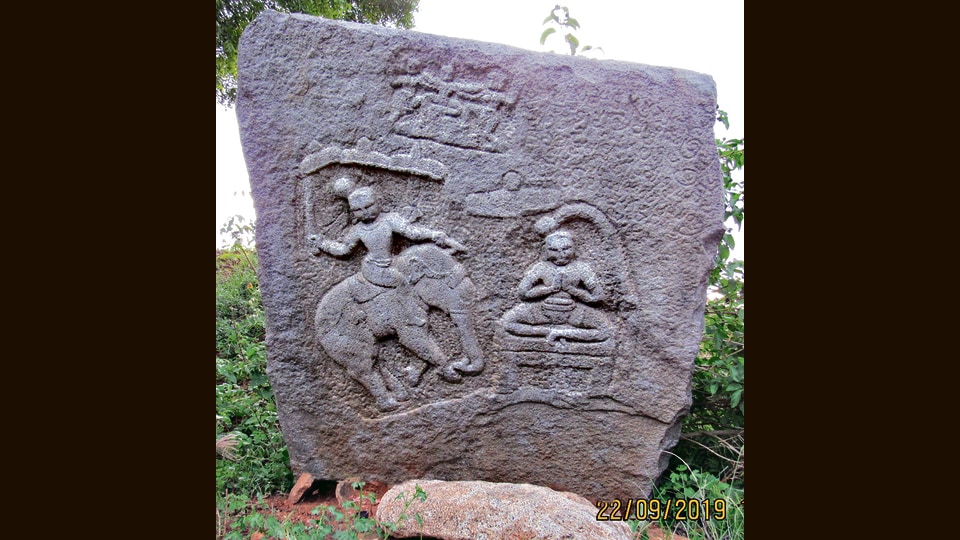
In a bit of a modern-day treasure hunt, researchers, scholars and volunteers trek across forests, wastelands, even construction sites, to unearth the stones.
What does it take to find a hero stone?
Amid increased efforts to document these tiny memorials, particularly across Tamil Nadu, archaeologists, scholars and volunteers are undertaking what are essentially modern-day treasure hunts. They wade through dense forests, trek across arid wastelands and wander through urban construction debris, looking for signs of a memorial to a fallen hero.
Each memorial is tangible proof of a different time, a different tongue, a different people and a different way of life, says Sudhakar Nalliyappan, a heritage conservationist and founder of the NGO Yaakkai Heritage Trust.
Nalliyappan leads a collective of 50 people, including archaeologists, historians and volunteers, who are currently on a mission to document and geotag as many hero stones as they can, across southern India. It is a mission they have been on since 2017.
“We are a travelling team of explorers who keep an eye out for unusual artefacts, inscriptions and heritage architecture in southern India, especially Tamil Nadu,” Nalliyappan says. “Because there is so little information on hero stones, and so much of what there is is scattered, this has become a core focus area.”
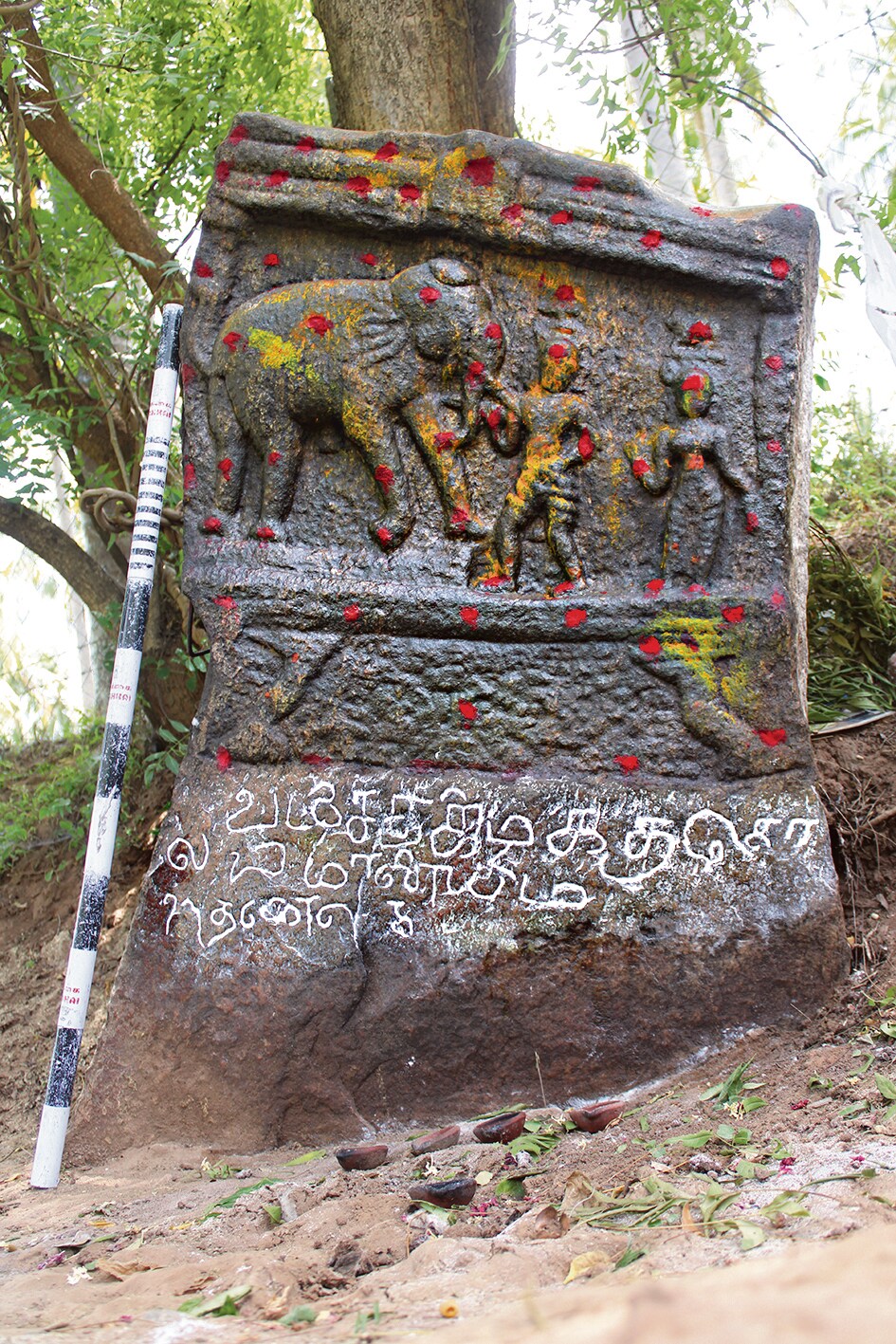
It is an effort reminiscent of campaigns by heritage groups to unearth old milestones in Mumbai, where they had been buried under new roads, damaged by construction projects, or simply moved out of the way. Of course, the milestones were colonial-era markers. Some of the hero stones are over 2,000 years old.
So far, Yaakkai has compiled data on more than 1,500 of these in Tamil Nadu and Andhra Pradesh, conducting site visits and drawing on records from researchers and the state archaeology department.
“We have logged each one’s GPS coordinates, measurements and details of their inscriptions. We hope to make this spreadsheet public once we have about twice this number,” Nalliyappan says. The team also plans to create 3D digital replicas of the stones, with a view to preserving the details before they are worn away further.
About 250 of their 1,500 entries, meanwhile, are hero stones the NGO discovered, in searches conducted across the three districts of Coimbatore, Erode and Tiruppur. All findings are reviewed by an honorary consultant committee led by R Poongundran, an archaeologist and former joint director of the state archaeology department.

How many more are likely out there? The Tamil Nadu government alone has so far mapped more than 2,500. There are similar memorials scattered across Karnataka, Kerala, Andhra Pradesh, Puducherry and Telangana, as well as Lakshadweep and Sri Lanka.
For now, Yaakkai only has the resources to focus on their data-gathering, and on fields trips to Coimbatore and neighbouring areas. Even so, Nalliyappan says, the discoveries have been exciting.
In 2020, for instance, five hero stones dating to the 5th or 6th centuries were found by the state archaeology department in a village in Salem district in western Tamil Nadu. All five inscriptions started with the word “Neelakandaraisar”, which was assumed to be a name. The Yaakkai team then alerted the department to similar inscriptions recorded in their database, from stones in northern Tamil Nadu and southern Andhra Pradesh. Could Neelakandaraisar then have been a name used to identify a certain ethnic group? These are the kinds of questions emerging amid new data.
“The collective has been doing a really good job of collating information on all the stones that have been found in the region,” Poongundran says.
In addition to details of what, where and when, Yaakkai is also logging sociological information drawn from the carvings. “Sometimes, details such as the hairstyle of the engraved hero can tell us about how the people of that place, at that time, lived. Sometimes the inscriptions reflect a local dialect. These are all bits of micro-history,” Nalliyappan says.
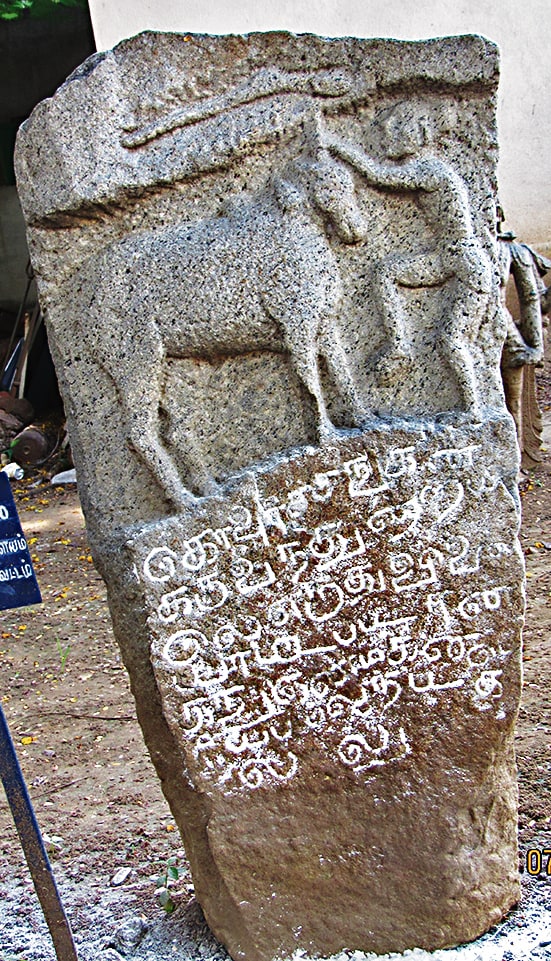
A 4 ft x 4 ft hero stone in Tiruppur district dating to the 11th century, for instance, documented that a warrior died in a local conflict in the village. The inscription didn’t say much more, but in the few words it held, there was mention that the place where the stone stood was called Palladam. The place is still called Palladam today.
“This suggests continuity over a millennium,” Nalliyappan says. “It really intrigues me that there are so many tiny details tucked into these memorials.”
In a happy evolution of their own, alerts about hero stones now come to Yaakkai via Instagram. Each such alert feels precious, Nalliyappan says. “A lot of people didn’t know what purpose these stones served. Amid efforts by the government and by NGOs like ours, it is heartening to see that this is changing.”


