
 E-Paper



All about Tristan da Cunha: Remote island with suspected hantavirus case has a population of just 216

 Prefer HTon Google


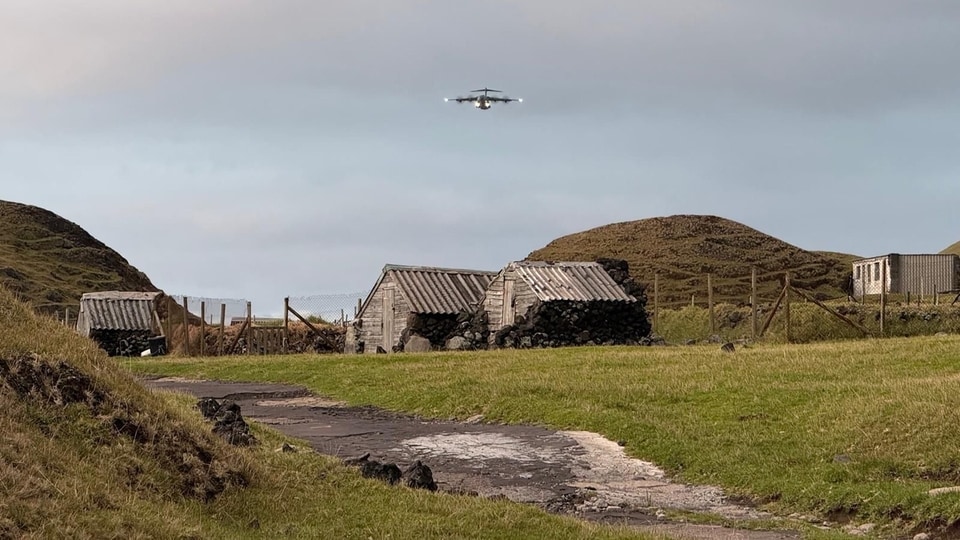
Tristan da Cunha faces a hantavirus challenge following a cruise ship visit, with a suspected case involving a British national. The island is home to 216.
Authorities are monitoring a suspected case of hantavirus on Tristan da Cunha, 'the world’s most remote inhabited island', following the visit of a luxury cruise ship in mid-April. The island, which, as per Reuters, is home to a tight-knit population of 216 residents, is currently facing a rare public health challenge while maintaining its status as a unique, communal society in the South Atlantic. Also read | Hantavirus explained: Can it spread from person to person? Bengaluru doctor reveals everything Indians should know
Public health alert: hantavirus monitoring
According to a World Health Organization (WHO) report dated May 8, the island is managing a 'probable case' of Andes hantavirus. The individual, a British national, disembarked from the Dutch-flagged vessel MV Hondius on April 15. The patient reportedly developed symptoms, including fever and gastrointestinal distress, around April 28 and is currently stable in isolation.
This case is part of a larger cluster linked to the ship, where at least eight cases and three deaths have been reported globally. While rodents typically spread hantavirus, the WHO notes that the Andes virus strain can cause limited human-to-human transmission, prompting rigorous contact tracing in the isolated settlement.
Tristan da Cunha island governance and economy
Tristan da Cunha is part of the British Overseas Territory of Saint Helena, Ascension and Tristan da Cunha. Despite its distance from the UK, it maintains a formal constitutional and economic structure, Tristandc.com reported. Under the 2009 constitution, the island reportedly enjoys an 'enhanced status' with its own ‘bill of rights’. It is governed by a resident administrator appointed by the governor (who resides in St Helena), acting on the advice of an elected Island Council.
While it is a British territory, it does not use the Saint Helena Pound, as per Sainthelenaisland.info. Instead, the official currency is the United Kingdom Pound Sterling. The economy is famously egalitarian. According to the Tristan da Cunha administration, all land is communally owned.
As per, Globalbankingandfinance.com, families are allocated quotas for livestock to prevent overgrazing and wealth disparity. Revenue is reportedly primarily generated through the export of Tristan Rock Lobster (crawfish), the sale of unique postage stamps, and high-value coins for collectors.
The 'asthma Island': a genetic mystery
Tristan da Cunha is often referred to in medical literature as the 'asthma island' due to a staggering prevalence of the respiratory condition. Reports from American Journal of Respiratory and Critical Care Medicine in 1996 indicated that roughly ‘57 percent of the islanders had at least partial evidence of asthma’. Scientists attribute this to the 'founder effect'. The current population reportedly descends from just 15 original settlers.
Studies have reportedly identified specific variants in the 'DENND1B and ESE genes' within the islanders. Due to the community’s isolation and historical inbreeding, these genetic traits became concentrated, making the island a critical site for global asthma research.


