
 E-Paper



Wild card entries: Check out 5 species saved by the CITES agreement

 Prefer HTon Google


A giant parrot, a relative of the camel, the world’s largest butterfly... See how a global trade treaty has worked to fight off the threat of extinction.
There are tens of thousands of species on the CITES list — from snails and flowers to snakes, sharks, mammals, insects and trees. The list helps governments and NGOs organise their efforts, work across borders and crack down on illegal trade in wildlife products.
And so it is that CITES (the Convention on International Trade in Endangered Species of Wild Fauna and Flora) quietly works in the background to help protect… a forgotten dragonfly, a fruit bat in Madagascar, a giant butterfly that lives in only one 100-sq-km section of coastal rainforest. Take a look.
,
* The world’s largest butterfly
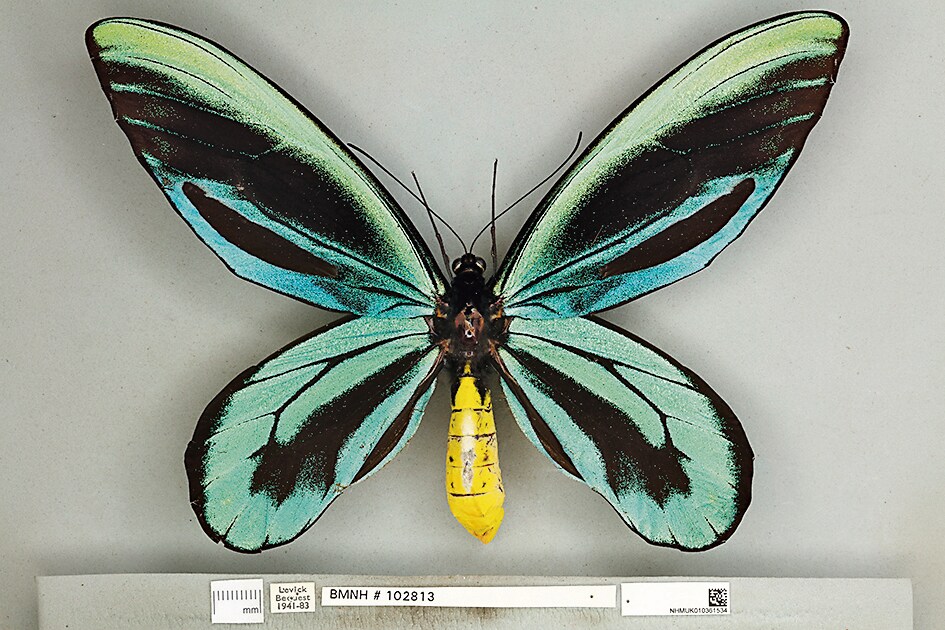
The Queen Alexandra’s birdwing, with a wingspan of 10 to 11 inches, is found in only one 100-sq-km section of coastal rainforest, near Popondetta in Papua New Guinea.
By the 1980s, it had been driven to the brink of extinction by habitat loss and by illicit trade (a single butterfly can sell for as much as $10,000, or ₹8.7 lakh, with the most avid buyers being preserved-specimen collectors, and researchers looking to study rare species).
Cited as endangered on the IUCN Red List, it was included in CITES’s Appendix 1 in 1987, with the result that all international commercial trade was immediately banned.
In a headline-making case, a smuggler in the US was sentenced to 21 months and a fine of over $31,000 in 2007, for possession of this and other endangered insects. In 2001, a Canadian researcher was fined CA $50,000 for possession of the Queen Alexandra.
The newest threat the butterfly faces is oil palm plantations. There is no known estimate of how many are left in the wild.
.
* The largest flying parrot
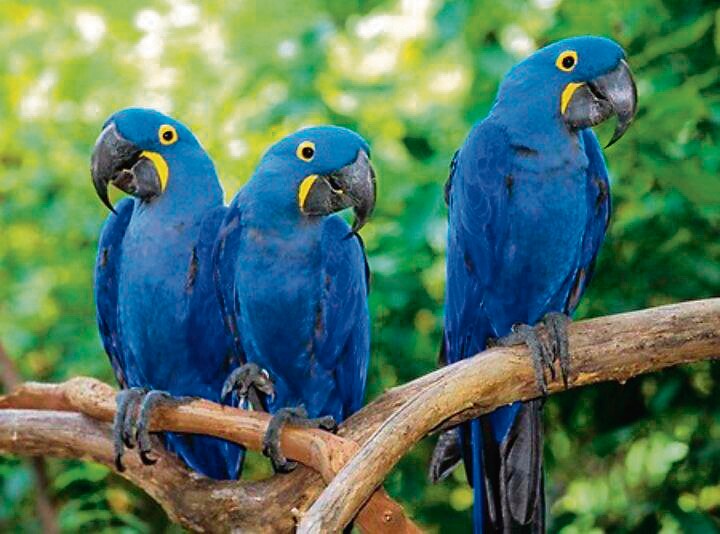
The hyacinth macaw, a bright blue bird and the world’s largest flying parrot, faced near-extinction in the 1980s, due to habitat loss and heavy trapping for the exotic pet trade.
CITES listed the species in Appendix 1 in 1987, banning international commercial trade. This reduced global demand.
Meanwhile, Brazil, Bolivia and Paraguay strengthened enforcement and habitat protection. Conservation efforts, including nest protection and ecotourism, further supported recovery. As a result, the population has more than doubled since the 1990s. There are now over 6,500 hyacinth macaws in the wild.
As the rate of decline slowed, IUCN in 2014 downgraded the hyacinth macaw’s threat level from endangered to vulnerable.
.
* King of the coral reefs
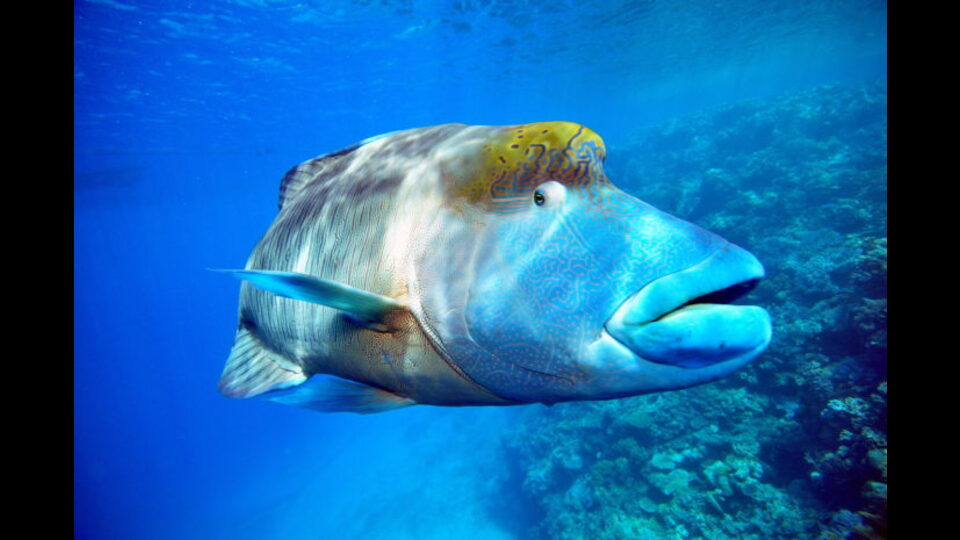
The humphead wrasse, called the king of the coral reefs, is found in the oceans of the Indo-Pacific and can grow to up to 6.5 ft and weigh as much as 180 kg.
Amid habitat loss, overfishing and destructive fishing techniques, the bulbous-headed blue-grey creature was cited as endangered by IUCN in 2004.
Studies showed that its population had fallen by 75% in areas where commercial humphead wrasse fishing was rampant. In the ocean around Sabah, Borneo, despite local bans, populations had declined by an estimated 99% due to overfishing for export and, sadly, the fish’s own low rates of reproduction.
CITES declared it an Appendix 2 species in 2004, with trade to be controlled. Species numbers have risen since. The fish remains on the endangered list. A single fish can still sell for up to $850 ( ₹75,000).
.
* By the skin of its teeth
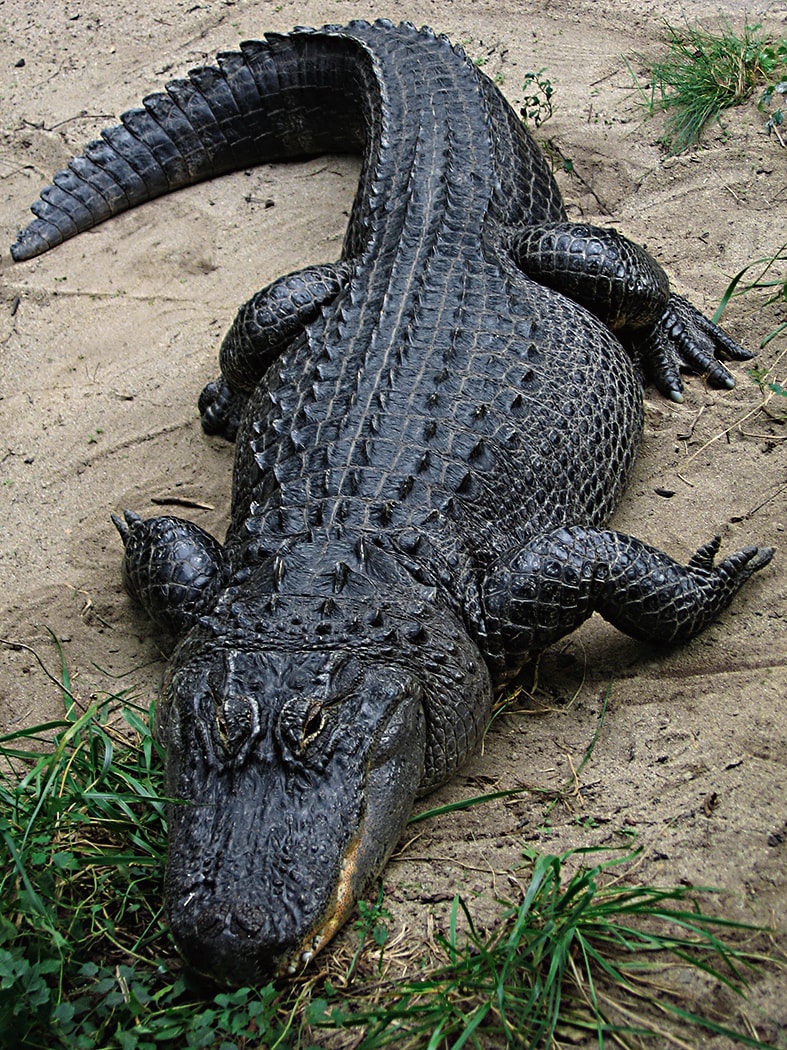
Listed as endangered in 1967, the American alligator was hunted nearly to extinction for its skin. It would take a CITES ban on all trade in 1979, and extensive campaigning, to get people to stop wearing it on their feet and wrapping their bags in it.
Population numbers have since rebounded. Protected under the Endangered Species Act in the US, its overall threat level was downgraded in 1987. It is now listed in the Least Concern category on the IUCN Red List.
.
* No woolly mammoth
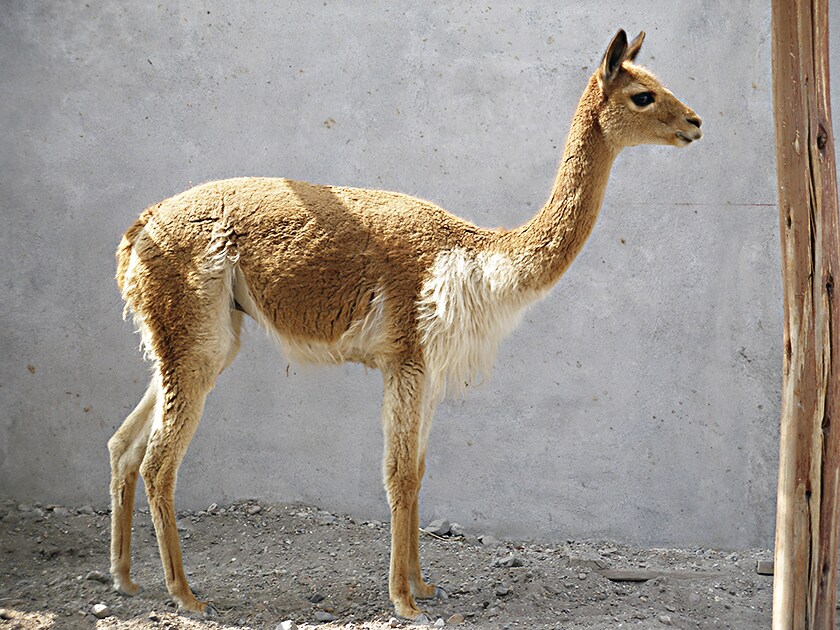
The vicuna, a South American member of the camel family and a close relative of the llama and alpaca, saw its numbers decline to about 6,000 by the late-1960s, as the animal was hunted for its valuable wool. The IUCN Red List declared it endangered.
Alongside dedicated conservation efforts, CITES put it on the Appendix 1 list in 1975, and all trade in vicuna products was banned. The governments of Bolivia and Peru signed a treaty to help restore its numbers, and the governments of Chile, Ecuador and Argentina later signed on too. Specially trained rangers were deployed to protect the vicuna from poachers.
By 1987, its risk level had been downgraded by IUCN from endangered to vulnerable, and licensed trade was permitted again under CITES Appendix 2 conditions.
By 2012, numbers had soared past 200,000. Current estimates place the population at about 500,000. Since 2018, it has been in the Least Concern category on the IUCN Red List.


