
 E-Paper



Will tariff cuts give bourbon whiskey the boost it needs?

 Prefer HTon Google


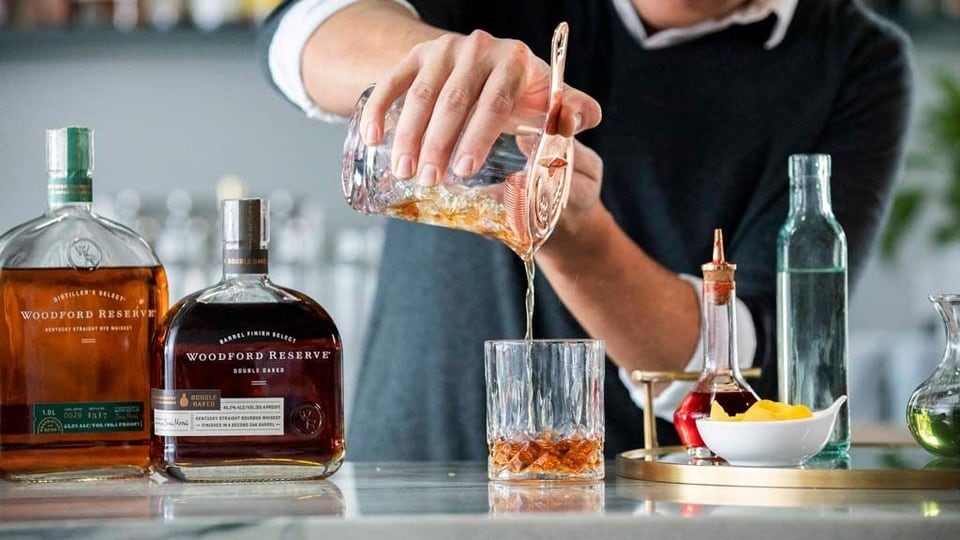
The recent reduction in import duty on bourbon whiskey could offer this long-overlooked spirit a second chance in India— only if brands step up.
The recent import duty cut on bourbon whiskey has sparked curiosity among spirits enthusiasts and, perhaps, renewed interest in a category long overlooked in India. The reduction in tariffs, from 150% to 100%, is expected to make both mid-market and top-shelf bourbons more enticing, if not downright compelling. But will that alone make you pick a Woodford Reserve or a Knob Creek over, say, a 12-year-old Aberfeldy or an Amrut Fusion? What will it take to get die-hard Scotch whisky drinkers (and now Indian single malt, Irish whiskey, and tequila lovers) to consider the sweet, woody pleasures of bourbon? That, industry experts say, is what many multinationals will have to contend with in the coming days.
Also Read | What is bourbon whiskey? India slashes tariffs from 150% to 100% | 5 facts
Bourbon whiskey represents a small segment of the Indian market, with American whiskey exports totalling approximately $9 million in 2024. In contrast, bottled Scotch whisky imports more than doubled to $316 million in the fiscal year 2022-2023, up from $152 million the previous year. Brands like Woodford Reserve have been available in India for over a decade. Beam Suntory India, which reportedly holds a 46% share of the bourbon segment, even bottles its entry-level Jim Beam locally. Yet, the intent to create a robust bourbon category has been missing all these years. “Bourbon brands simply haven’t invested in advocacy or in connecting with consumers,” says Vinayak Singh, co-founder of The Dram Club, a social platform for spirits lovers. “Their focus has largely been on-trade, but you can’t expect loyalty there.” That, he says, is a pity because a good bourbon can hold its own against any whisky from Scotland or elsewhere.
Bourbon Basics
Bourbon whiskey is as American as apple pie and, some might say, obesity. Its history is deeply intertwined with that of the United States. When Europeans first colonised North America in the early 17th century, they used imported grains like rye to distill spirits. But it was corn, a grain they were unfamiliar with, that ultimately laid the foundation for what would become the most prominent style of whiskey made in the USA.
Kentucky, founded as a state in the late 1700s, provided the perfect conditions for bourbon-making: fertile land for growing corn, limestone-filtered water ideal for distillation, and wide temperature swings that aided the ageing process. The state's abundance of rivers made transportation easy, while prominent distilling families preserved traditions. By the early 1800s, a distinct style of whiskey had emerged.
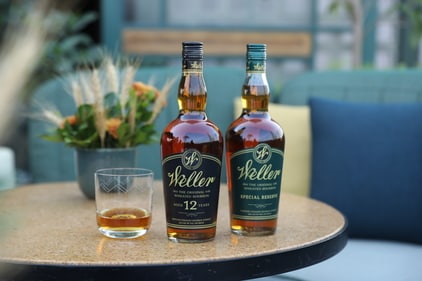
After Prohibition, regulations were put in place to define bourbon: it must be at least 51% corn, distilled below 80% ABV, aged in new charred oak barrels, and bottled at 40% ABV or higher. Today, according to the Kentucky Distillers Association, the state produces 95% of America’s bourbon, exporting primarily to Europe and Southeast Asia. Every major bourbon producer—from Brown-Forman and Jim Beam to Sazerac—has its roots in Kentucky. Over the past two decades, especially following the bourbon renaissance in the US, the category has expanded beyond legacy brands. Newer entrants like Bulleit and Angel’s Envy have drawn younger drinkers with bold flavours and innovative branding, while small-batch and craft bourbons—led by producers such as Michter’s and Pappy Van Winkle—have cultivated cult followings. Many of these bourbons are available in India, with prices ranging between ₹3,000 and ₹15,000 in Mumbai. A bottle of Maker’s Mark — ₹7,400 — costs about the same as a Glenfiddich or Bowmore 12 YO. The most recent entrant into the segment is the Sazerac-owned Weller. Sazerac, which has a significant stake in Bangalore-based John Distilleries, reportedly has plans to develop the category in India.
With domestic sales stagnating and the looming threat of the European Union doubling its retaliatory tariffs in April, the Indian government’s import duty cut offers bourbon producers a much-needed opportunity to tap into a new market.
The Jack Daniel’s Story
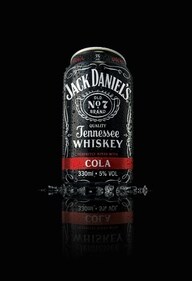
India, the world’s largest whisky market by volume, may have never taken a shine to bourbon, but Tennessee icon Jack Daniel’s—owned by Brown Forman—has enjoyed a fairly successful run here. Back in the late 1990s, the U.S. Embassy was Jack Daniel’s only customer in India. Today, it is the country’s largest-selling American whiskey, with a reported 3% market share in the premium and imported whiskey segment. (Jack Daniel's identifies as a Tennessee whiskey, distinguished by its unique charcoal filtration process. Industry observers say that companies are still assessing whether other styles of American whiskey, including Tennessee whiskey, will also gain from the tariff cuts.)
Amrit Kiran Singh, former CEO of Jack Daniel’s for South and Southeast Asia and the man widely credited with putting Jack on the map in India, believes it’s possible to get Indian consumers hooked on American whiskey. “Everyone said American whiskey is an acquired taste, but the same holds true for any alcohol,” he says.
In the early 2000s, inspired by a visiting Brown-Forman executive’s Jack and Pepsi order at a Delhi bar, Singh introduced the combination to young Indian drinkers. “I wanted people to have Jack and cola. The idea was to get beer drinkers into whiskey before they moved to Scotch,” he explains. Jack Daniel’s avoided “snooty sessions at five-star hotels” and instead associated itself with rock music and motorcycles, giving it a cool, rebellious image. Between 2005 and 2013, the brand grew by over 20% annually—despite being priced on par with well-established names like Johnnie Walker Black Label and Chivas Regal.
“You can’t create a premium image without the right price,” Singh says. “It has to match the consumer’s self-image and aspiration.” Even with the recent reduction in tariffs, Singh advises against lowering prices and instead recommends better marketing. “The problem with bourbon is that you have to catch people when they’re young. Start them off with mid-market bourbons and get them to graduate to top-shelf labels.”
Learning from the Irish
The Americans could also take cues from the Irish on category creation and brand building, says Vikram Achanta, co-founder and CEO of drinks training firm Tulleeho. “The numbers at the end of this year are expected to be upwards of seven lakh cases for Irish whiskey, and India is now the second-largest export market for Jameson,” he says, crediting the Pernod Ricard-owned brand for its persistence and smart, tactical on-ground promotions.
The duty cuts, he adds, offer a great opportunity for bourbon brands to showcase their heritage and quality. “Having premium brands available at a more approachable price point will add a halo to the category and complement the natural affinity Indian consumers have for American brands. And very few things evoke Americana as well as bourbon does.”


