
 E-Paper



HT Brunch Cover Story: India’s real role models

 Prefer HTon Google


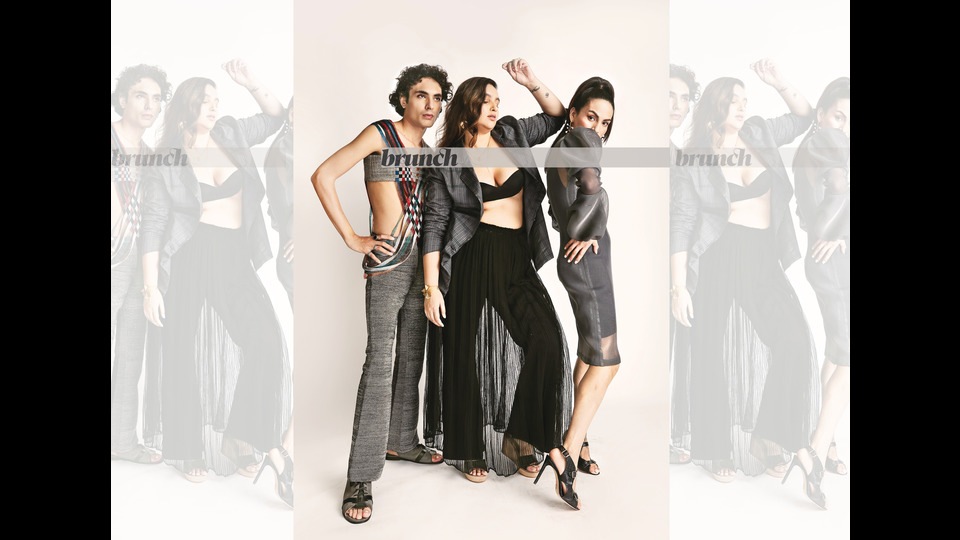
A body positive champion, a transgender woman and a gender-fluid dresser front the HT Brunch Top Models 2021 issue with a singular message: beauty lies in every form
A few months ago, Victoria’s Secret bid goodbye to their angels, replacing them with women who would create compelling content and support relevant causes. That such a big brand would do this reflects a shift in the perception of beauty. The fashion industry today embraces “real” people. That means, its models are real too.
Globally, designers are bending towards models with different skin tones, body shapes and sexualities. Whether this is a genuine effort to be diverse or a gimmick to gain social relevance, only time will tell. But a new breed of model has emerged: the role model.
Meet Appoorva Rampal, TJ Gill and Kenny Awomi, three of fashion’s new faces in India.
Embracing her curves
Appoorva Rampal, 23
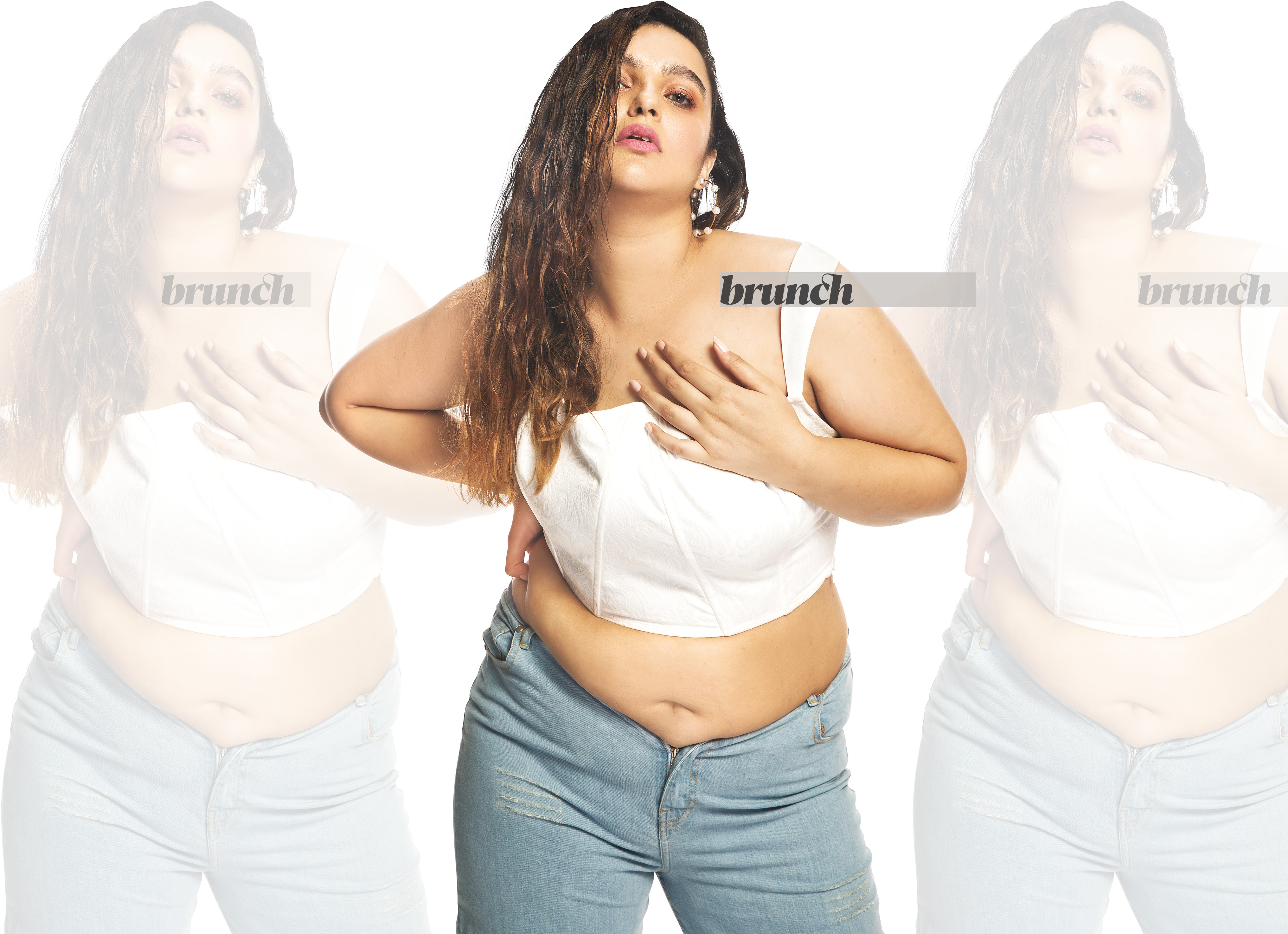
Plus-size model Appoorva Rampal’s father was convinced his daughter would be a great model. But Appoorva herself had no idea she could make it in the profession until she won a pageant in Faridabad. “I didn’t even know the concept of plus-size models existed!” says the 23-year-old.
She signed up with a modelling agency in Delhi but found little work, so she moved to Mumbai to convince agencies about this new direction in modelling. Most of them rejected her. But one finally won her trust.
“I didn’t fit the industry’s beauty standards,” says Appoorva. “For example, a designer who wanted fuller models, gave me medium-size clothes I didn’t fit into. Then, he said I was incapable of posing but the real reason was that they didn’t have my size.”
Thin or fuller, no one makes it in modelling without strength and patience. Appoorva went through ups and downs and then landed the iconic Sabyasachi campaign this February.
“The night my photographs went on social media, my followers jumped by 20k,” she says. Her phone rang non-stop and her agent couldn’t find free dates in her already fully-booked schedule.
There were trolls, of course. But the impact Appoorva made changed her life and the lives of others. “A lady told me that she had put her teenage daughter on a strict diet because fat girls aren’t beautiful. But after seeing me, she changed her mind. That was bigger than any professional achievement. Most women are plus-size and I represent all those women,” says Appoorva.
Accepting genderless fashion
TJ Gill, 23
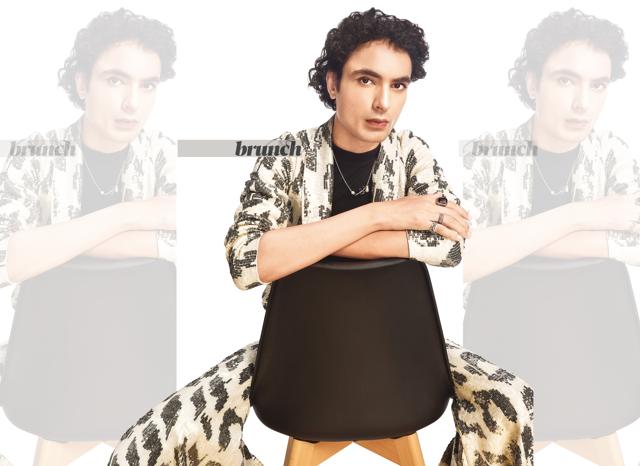
Top model TJ Gill, 23, faced a harrowing experience recently when he was harassed because he was wearing a crop top. “A bouncer at a bar told me to put on a shirt. I was humiliated. There were girls wearing crop tops as well, but no one harassed them,” he says.
Social media supported TJ and the bar owners apologised, but mentally, the damage was done. “I’ve faced bullying since my childhood. In my teens I was mocked because I sounded feminine,” says TJ.
Though Tejender Singh Gill reinvented himself after school and changed his name to TJ, he still struggled to find his identity. “It was a constant battle,” he says. “Sometimes I wanted to end myself.”
But he hung in there and used fashion to express himself, thanks partly to his mother.
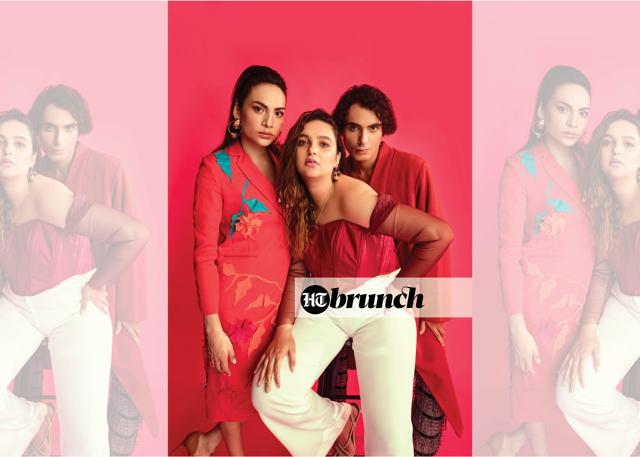
“She had always wanted a daughter and when we were very young, she dressed my brother and me in skirts. This was probably the first instance I remember of wearing clothing beyond gender norms,” he recalls
When a friend told TJ to apply for the Elite Model Look of the Year in 2016, everything changed. “There weren’t many skinny male models, so I was able to create my own niche. Later, for a fashion week, designers started picking me because this look worked for them.”
Since then, TJ has come to terms with himself. “Today, designers have genderless collections and men want to look good. This in itself is a change. It’s no longer about gender, size or sexuality. Models have to represent the masses,” he says.
Transitioning to her dreams
Kenny Awomi, 28
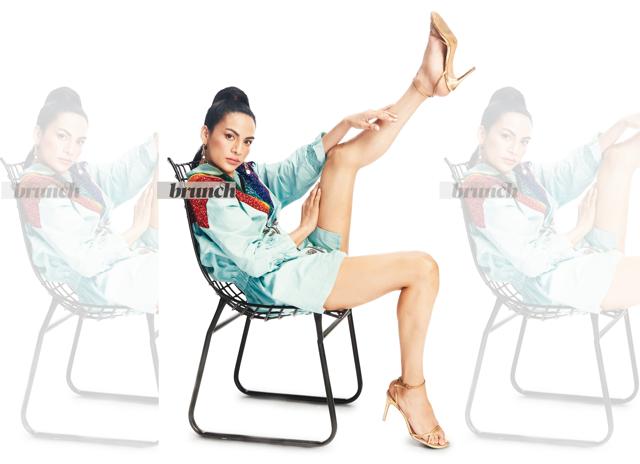
Raised by a single parent in Nagaland, trans woman Kenny Awomi, 28, had been supported in her gender identity by her mother, who had persuaded the school staff to allow the ‘boy’ to let ‘his’ hair stay long and wear what ‘he’ wanted to wear. But when she moved to Delhi, Kenny found that the big city was less understanding than her small town had been of her knowledge that she was a woman born in a man’s body.
Still, it was in Delhi that Kenny learned she could physically transition into a woman, and did so, though that didn’t stop the discrimination she faced.
“Growing up I’d watch runway shows and imagine myself there as a woman. This dream was close to reality when I auditioned for a show and was selected. Later, I got a call saying I’d been dropped because during castings, the designer hadn’t known I was a trans woman,” she says.
If Kenny hadn’t been capable of doing the job, the rejection would have made sense, she says. But to be rejected for her gender was unacceptable. “At Fashion Week castings, they’d push me towards the back of the line and write ‘transgender’ in bold on top of my form. A model is a model, an actor is an actor, so why these labels?” she questions.
And so, she is cynical about the idea of inclusivity today. “Some designers are genuine, but a few use inclusivity as marketing,” she says.
But she also acknowledges that the industry has given her a lot. “I have walked the FDCI fashion week since 2018 and my dream was realised!” she smiles.
Bharat Gupta is a fashion commentator, consultant and stylist. He also serves as a jury member for the HT Brunch India’s Top 50 Models.
From HT Brunch, October 31, 2021
Follow us on twitter.com/HTBrunch
Connect with us on facebook.com/hindustantimesbrunch


