
 E-Paper



Imitation game theory: How to tell fake designer goods from the OG

 Prefer HTon Google


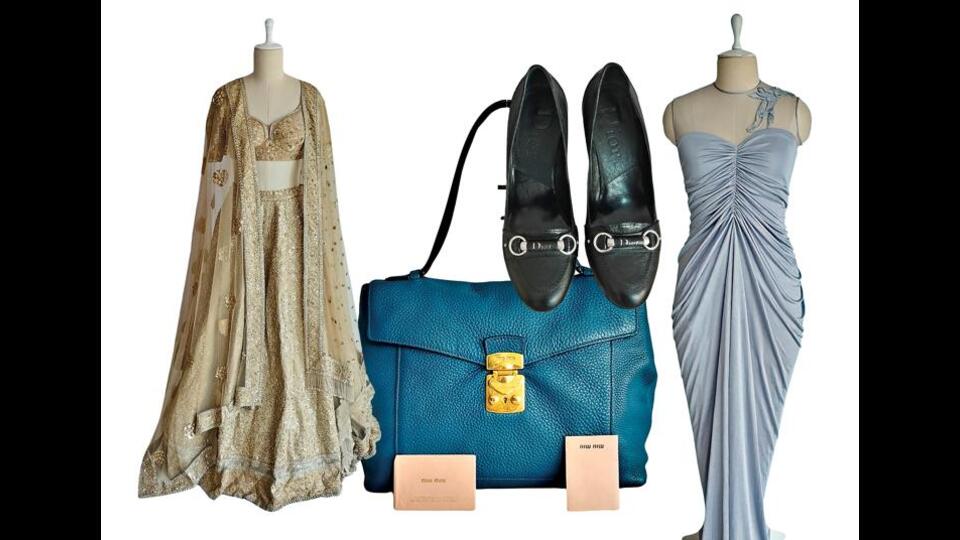
Blurry monograms, stitching shortcuts, uneven seams. Are you buying legit fashion or clever fakes? Here’s help
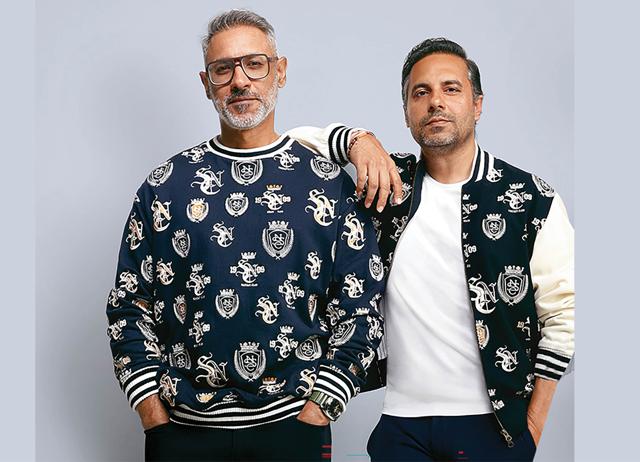
Muddled-up monograms, stitching shortcuts, fabrics that feel cheap, lining that lies. Fake versions of designer goods pop up in the oddest places. Influencers show them off in HD videos, socialites flaunt them at parties. Bosses claim they got them as presents. Spotting them calls for a trained eye and lots of research. Couturiers Shantanu Mehra and Nikhil Mehra of label Shantanu & Nikhil, and Shehlina Soomro, founder of luxury resale platform Saritoria create a primer for your benefit.
First, some homework. Hermes, Chanel and Louis Vuitton are some of the most copied labels in the world. There are factories dedicated to producing both cheap and high-quality replicas at a fraction of the price of the hard-to-find originals. Soomro believes that recognising a well-crafted fake is difficult for anyone who isn’t familiar with a brand and its back-catalogue. “I’ve been to supposedly authentic consignment stores in Europe and found fake Chanel bags,” she says. She recommends shopping only from trusted sources, especially for second-hand items.

Check the heat stamp. The what? The stitched on or printed designer label. It offers key clues to a product’s authenticity. No brand that makes a handbag, shoes, or trousers with care will tack on a cheap, hastily sewn, misaligned label. Some add a manufacturing code, year and location. Some have a precise number of stitches, a few more than needed, to stand apart from factory-made fakes. Research the heat stamp’s materials, font, logo, stitching style and location – it’s the first test.
Little big details. “An expert eye can discern differences in quality and craftsmanship,” says Nikhil Mehra. “The fabric’s texture, weight, and sheen, along with the precision in seams and finishes, often reveal the garment’s authenticity, even if the design looks identical.”
If this is confusing (and it can be in the case of an expensive, high-quality fake) Soomro says to check the seams. They shouldn’t be uneven, meet in unsightly knots at the corners, be misaligned with the print or coming apart at the edges. Check the accessories – fake products get the main fabric right, but scrimp on the finish of the zippers, buttons, buckles, shoelaces, straps and accompanying dustbag. Most top-tier brands are careful about the colour, texture and feel of these seemingly small details – even zippers are monogrammed, buttons are sewn on with the same thread as the rest of the item, providing valuable clues to its authenticity. And be mindful of the price – if it’s massively marked down, there could be something fishy going on.
The tangled web. “The digital marketplace has expanded the reach of counterfeit goods, making them more accessible than ever,” says Shantanu Mehra. A reseller, a discount store and a lesser-known platform will often display the pictures of an authentic item – seams, heat stamp, everything, but swap a fake from the warehouse to deliver. It happens at pre-loved stores too. “Authorised resellers have more stringent verification processes, and promote the value of authenticity over the price,” he adds.
Soomro says that she often finds sellers putting up items for resale as authentic, but not knowing they were fake in the first place. Saritoria follows a policy of giving re-sellers a second chance. If the practice continues, the seller is removed, to maintain trust within the buying community. “Also, we fully refund customers for fakes.”
The legal route. Economists argue that the replica market is what keeps creativity alive – when a good thing is copied and made commonplace, it prompts designers to create more work, better work, to stay a step ahead. This applies as much to designer weddingwear sold in watered-down versions at neighbourhood shops as to classic leather totes and their light, synthetic variants. “Plagiarism of our designs only increases the aspirational value people have for the brand and we take it all with a pinch of salt,” says Shantanu Mehra.
Still, no one like to be duped. Familiarise yourself with the weight, feel, even the smell of an original shoe in the brand’s store so you know if something feels off when you buy from elsewhere. Look at a garment in full zoom online to tell the kind of sequins and finish on a hem or cuff. Follow a repeated monogram on a bag – designers tend to cut around them, fakes don’t bother. And note how desperate someone is to sell If it really is OG, there wouldn’t be a deep discount or deadline.


