E-Paper



Listicle: 10 tropes that make medical dramas our happy pill
It’s never lupus. But medical dramas love tumours, sudden deaths, even zombies. Here are their favourites

 Prefer HTon Google


- 1
The God complex.
Of course, doctors save lives. But they only use remedies and treatments that have already proven to be effective from years of research. Don’t believe it when Dr Meredith Grey magically finds a cure for Parkinson’s disease in Season 18 of Grey’s Anatomy. Or when Nurse Jackie comes up with a solution when doctors are stumped. That’s wishful thinking, not science.

- 2
Necrotising Fasciitis.
Sounds as gross as it is – a flesh-eating bacteria. It pops up in Season 2, Episode 6 of The Good Doctor. What seems like an ordinary rash on a patient’s finger ends up with the amputation of an aspiring violinist’s whole arm. The disease has also been featured on House, Chicago Med and The Resident. It’s incurable but rare, mostly affecting immunocompromised patients.
- 3
Tumours.
It’s what keeps Grey’s Anatomy, the longest-running medical drama on American television, going. Every season has a few cases, and every instance is more serious than the last, until the novelty began to wear off. Remember Derek Shepherd discovering one that had been growing silently inside hospital chief Webber, and messing with his vision, in the finale of Season 1? And Jackson Avery’s mother learning that her neck and back pain was, in fact, a spinal cord tumour in Season 15?
- 4
Organ donation.
TV shows have normalised the idea of donating one’s organs after death. Some, however, focus so much on the ethics and medical complications, it’s put people off. On Season 2, Episode 13 of The Resident, the triple organ donation to rescue a med student is enough to deter even the most charitable. De Grote Donorshow (The Great Donor Show) even gave a reality-show, elimination-round treatment. For shame!
- 5
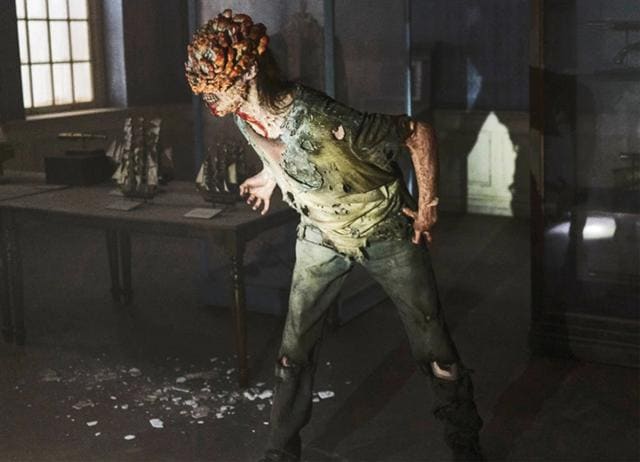
Zombie parasites.
Nothing like a slow-moving undead army to add a little apocalyptic flavour to a show. Watch The Walking Dead or The Last Of Us. Line up the tropes: Scientists whom no one believed until it was too late; societies collapsing; loved ones who turn into beasts; that one guy who’s so kooky, it’s hard to tell if he’s a zombie or is just having the worst hangover of his life. And of course, labs that find a cure, and docs who make the ultimate sacrifice.
- 6
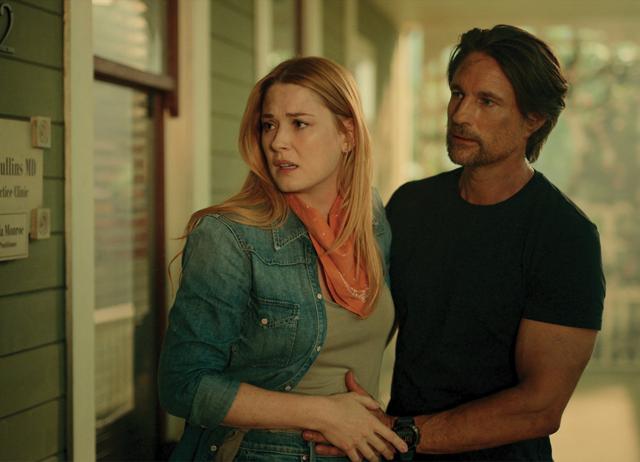
Surprise pregnancies.
On a medical drama, it’s only a matter of time before babies crawl into the script. Women didn’t know they were pregnant (Call the Midwife), a man is his own twin (House). Virgin River, about a nurse in smalltown America, is about the joy of birth and the toil of pregnancy, which is great. But after five seasons of pregnancies, even the miracle of childbirth begins to seem ordinary.
- 7
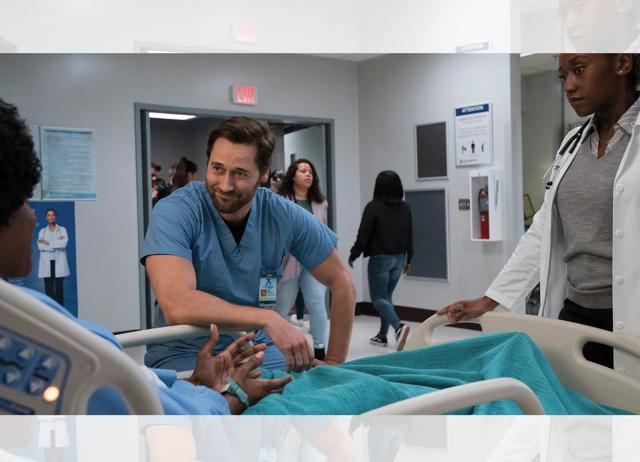
Memory loss.
Such a convenient complication. A temporary wipeout allows for unanswered questions, strange behaviour, new villains and diagnoses. In Season 2 of New Amsterdam, Dr Lauren Bloom struggles with memory loss after surviving an ambulance crash and years of substance abuse. On Indian soap operas, the twist stretches endlessly, weaving in a love story and new life, before memories finally kick in.
- 8
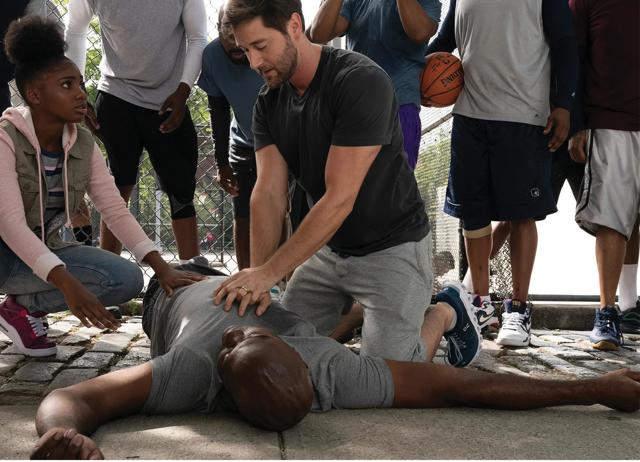
CPR.
Beep, beep, be-beep be-beep be-beeep. “He’s crashing”. “Don’t you die on me!” The scene writes itself as someone offers the kiss of life. Performing random CPR is like a rite of passage for every actor playing a doctor. Shows fail to explain that CPR only buys a few minutes of time. It’s the defibrillation, intubation and heart medicines that actually pull the person out of danger.
- 9
Defibrillators.
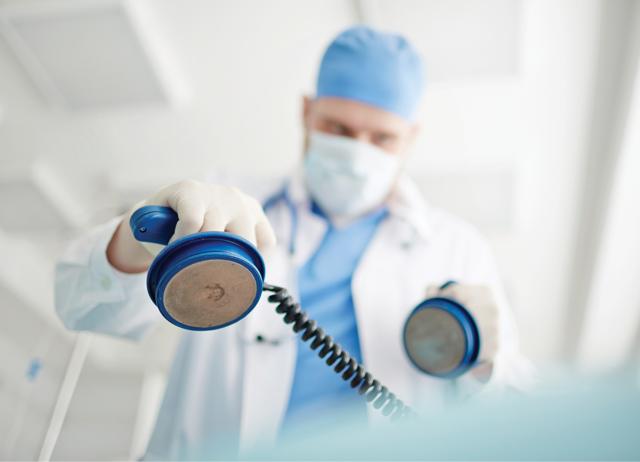
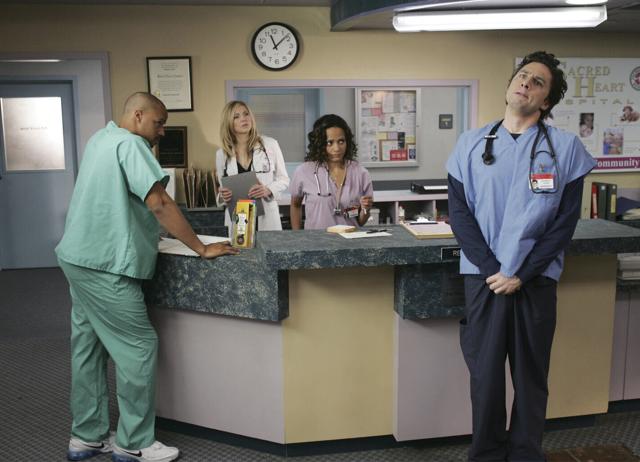
Giving a lifeless body a jolt from two flat irons? It’s everyone’s Frankenstein fantasy. The procedure is meant to shock the heart back into beating. On Scrubs and Transplant at least, it seems to always work. In real life, it simply fixes a heart rhythm gone awry and finds more use in first aid outside a hospital.
- 10
Sudden death.
This one’s a real bummer. Not only is this an accurate representation of real life medical situations, but it’s also the most abused trope. Everyone’s done it: House, Grey’s Anatomy, Miami Medical, or even the more recent Nurses, The Good Doctor, or The Resident. It’s one way of detangling a mixed-up plot. Hey, it happens.