
 E-Paper



Move over, gymkhanas. These clubs are the new clique bait

 Prefer HTon Google



Leave gymkhanas to grandpa. Modern members-only clubs offer updated frills, new networks and the same coveted exclusivity
Arbitrary rules about sandals and shorts. Décor that hasn’t changed since the British departed. Squash courts. Golf greens. Bridge clubs. Tambola nights. An old-fashioned gymkhana or club has its charms, but they’re not for everyone, particularly with their long waitlists and exorbitant membership fees.
It’s no surprise that things are changing on the club front. India is getting younger, many in the cities are getting richer. They’ve lived through a pandemic and appreciate spaces away from the crowds. And new members-only clubs are finding new ways to cater to the young and the ambitious.
On offer
Vivek Narain, founder and CEO of The Quorum, which turns five this month, says that big cities around the world now have members-only clubs for a new generation of patrons. “These spaces are conducive to work, entertainment, well-being, cultural nourishment and offer networking opportunities.” The Quorum will soon open a third branch in Hyderabad, after Gurugram and Mumbai. Members pay a fee upfront and a minimal annual charge for access to the club spaces in India as well as 65 clubs abroad.
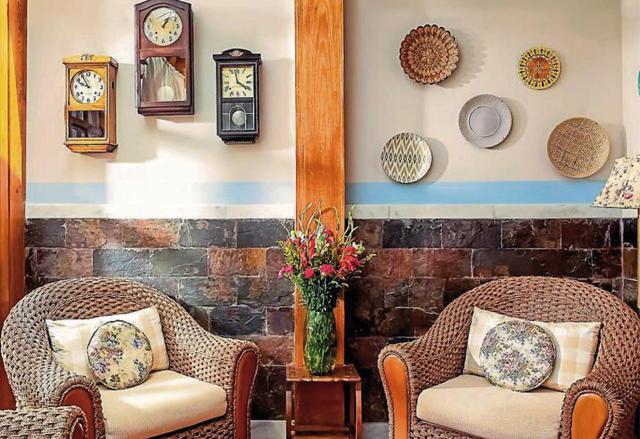
Operating on a more intimate scale is Delhi’s invite-only supper club A Ta Maison (ATM, French for ‘At Your Home’). It offers its community of 350 gourmands curated food and beverage events. Members, mostly young successful professionals, value “the privacy of the club and its home-away-from-home ambience”, says Rakshay Dhariwal, founder and managing director of Pass Code Hospitality, which operates ATM.
A different kind of sensibility is at play in Mumbai, where India’s only outpost of Soho House opened in 2018. The chain thrives on its extensive network within the creative fraternity and offers rooms and a rooftop bar and restaurant with sea views, library, swanky member’s space, group fitness studio and outdoor workout space, screening room, an events space, and restaurants.
“Importance is given to building a community,” says Kelly Wardingham, who heads the Asia operations for the brand. “The event programming is culturally relevant and topical, so members have unique and insightful experiences.” They’ve done art walks in South Mumbai, their film club organises interactions with filmmakers, there are pop-ups of popular restaurants from other cities (Jamun from Goa, The Johri from Jaipur), fashion shows, talks and music performances.
In Delhi, the newest entrant is Discover Collection Club from the Gravity Global Group. It opened last year, and Meraj Khan, founder and chairman, describes it as an, “ultra-luxury urban escape that widens members’ communities, and at the same time positively impacts their entire consciousness” What that translates to is restaurants, meeting rooms, a pool, a spa and more.
“Members want a space that is an extension of their home, where they can go from a morning workout with a personal trainer to eating a farm-to-fork meal, recover in an IV Lounge or a cryotherapy chamber and end their day by mingling with some of the most interesting members of society in an elegant, glamourous, discreet setting.”
What it costs
Most older clubs offer lifetime membership. This can range from ₹1.5 lakh for small neighbourhood club to ₹7.5 lakhs for Gymkhana Club Delhi for those who do not work in the government. Membership at Mumbai’s elite Breach Candy Club was nearly ₹1.2 crore a decade ago, when memberships opened after a 15-year wait. In comparison, Soho House Mumbai charges ₹1.6 lakh for a year’s membership for those above the age of 27. The Quorum has a one-time fee of ₹3 lakh and an annual fee of 1 lakh thereafter. Discover Collection Club membership ranges from ₹6 lakh to ₹12 lakh annually. ATM is set at ₹50,000 per year. Most seem geared to working professionals, but are child-friendly, with spouses and kids using the pool and attending events.
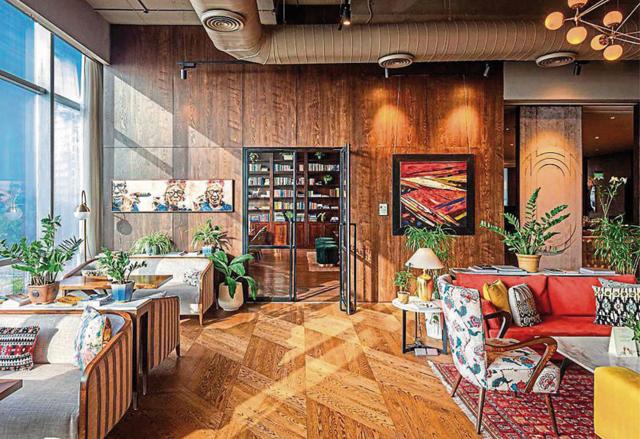
Design plays a big role in attracting memberships. “The Quorum’s spaces are transformative and enable a seamless transition from work to play,” says Narain. They’d have to be. Most new clubs are located in buildings, not vast swathes of land. So, they don’t offer sports facilities, dedicated billiards rooms or a changing room with three sofas.
Keeping things exclusive and interesting is hardly easy. Dhariwal of ATM had to close membership during Covid to cater to clients’ requests for privacy. It impacted new membership, though F&B revenue shot up.
And, as with older gymkhanas, there are now waitlists in the new clubs too. At Soho House, Wardingham says they don’t reject memberships, they put them on a waitlist. “No one is ever rejected... But the waitlist could be indefinite.”


