
 E-Paper



Rude Food by Vir Sanghvi: Customs and my traditions

 Prefer HTon Google


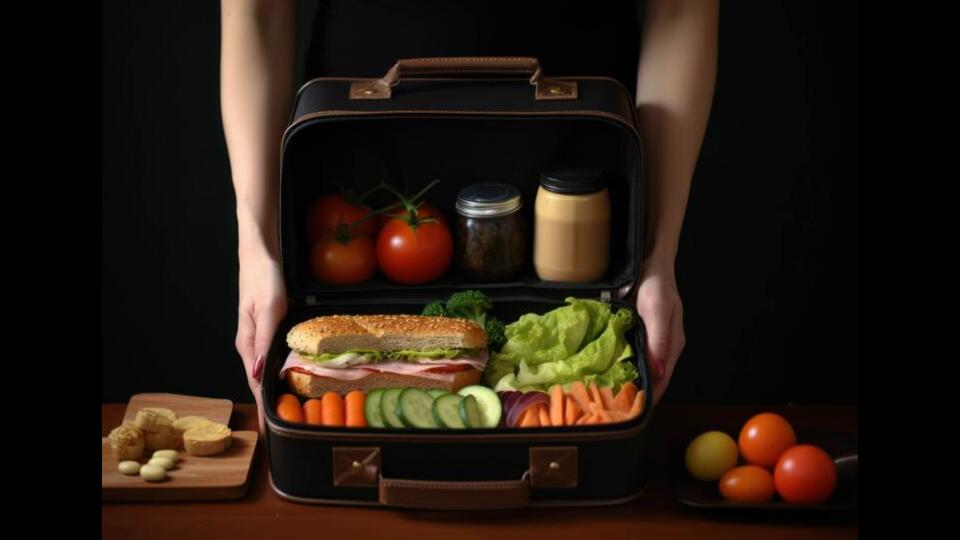
For gourmands, almost everything is available in India. Almost. Some foods are still worth the trip and worth stuffing the suitcase to savour back home
I am a reasonably frequent international traveller, but contrary to what many people will tell you about their own travels, I have rarely had a problem with customs in India. This could be because I don’t shop very much abroad.
But it could also be because I like to travel through Delhi, where the customs department at the airport is well organised and respectful of the honesty of passengers.
If you go through the Green Channel, you will rarely be stopped or challenged (unless an X-ray showed up contraband in your bags before they went on the carousel). Other customs departments are not as well run. I keep hearing horror stories about customs at Mumbai airport.
It was not always so. The one time I have had a full-blown row with a customs officer was over 30 years ago and it was, in fact, at Delhi airport. I was returning from Bangkok and was stopped by a customs officer who seemed determined to find some forbidden item in my baggage. When he found nothing out of the ordinary, he started looking at the food in my suitcase. “Olive oil”, he said. “Very expensive”. And then, ”How you are bringing this asparagus vegetable through the Green Channel?”
At this I lost it and asked him if he considered it part of his official duties to protect India from asparagus.
He was unfazed. But I was outraged enough to attract the attention of a superior officer who told the man not to be silly and asked me to shut my bags and go home.
That wouldn’t happen today. Customs officers are trained to look for gold smugglers and drug mules and not waste time on green vegetables.
Besides, I find that I now buy less and less food abroad. Nearly everything I need is available in India. It is hard to believe that I ever had to buy olive oil and fresh pesto abroad. Or that I packed fresh mushrooms in my suitcase. India has changed so much that there is very little you need to get from abroad.
But Rachel Lopez, who edits Brunch, had the nagging suspicion that I continued to buy some food on my travels. Could I write about that, please, she instructed…
Well, she is not entirely wrong. So here’s what I still buy. As I always say, some people bring in electronics, gold, jewels and fancy watches. But I bring food.
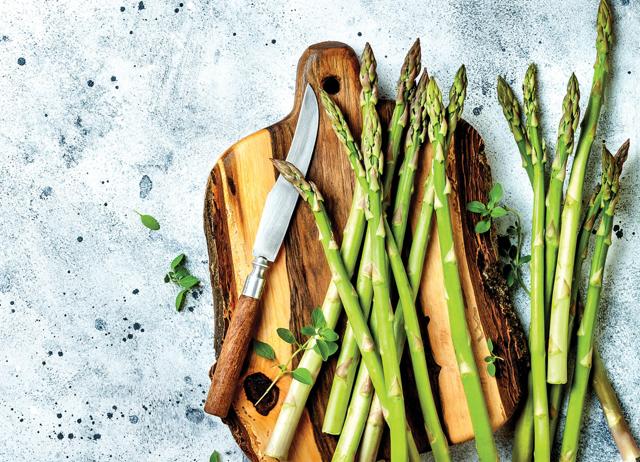
Vegetables. After my adventures with asparagus at Delhi customs all those decades ago, I no longer bring in any vegetables, with one exception. If I am in England in June, I buy asparagus. English asparagus is the best in the world. And it is a very short season of just a few weeks.
I also buy – from all over the world — frozen petite pois. These are small, slightly sweet peas that actually taste best when they are frozen. A pea starts deteriorating as soon as it is picked. But if you freeze it right after picking, you halt the degeneration.
We get wonderful fresh peas in India during the season in such cities as Jaipur, but I have never found Indian frozen peas that are any good for all-year use.
Tomato passata. I must have tried every brand of Indian tomato puree.Some are okay but most are not. So, if I have room in my bag, I buy Tetrapaks of Italian tomato passata (puree). If you are making, say, a pasta, it’s the quality of the tomatoes that will make the difference.
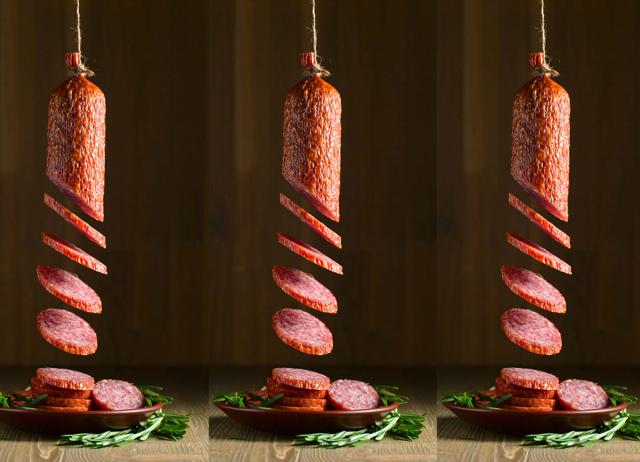
Salami/Sausages. The big one. I have rarely tasted any salami in India that I like. It is the same with sausages (with the notable exception of the spicy Italian sausages from Artisan Meats). So I buy lots of salami, some good handmade sausages, Portuguese and Spanish chorizo and Italian pancetta.
Thai Sauces. We cook a fair amount of Thai food at home. And you can’t really make good Thai food without the right Nam Pla, the fish sauce that goes into nearly everything.
Supermarket Nam Pla can be disgusting, so I look for good Thai brands when I am in Bangkok. I also buy some curry pastes, Thai Sriracha (different from the American version) and a few bottled sauces. None of this is expensive. But it can transform Thai food.
Chiang Mai Sausage. This may be an addiction. In the north of Thailand, they make a spicy pork sausage that I love. You can buy the raw version, which you have to cook, or, like me, you can buy the salami-type version, which you just slice and eat (with peanuts, lemon, fried garlic, a sweet chilli sauce etc).
It is really inexpensive compared to Western salami and much more delicious.
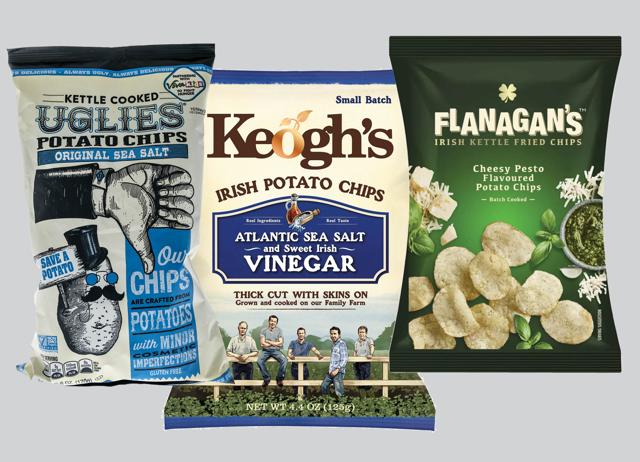
Kettle chips. We get good quality kettle chips in India. (The Indian brands, not the imported ones, which are often stale by the time they go on Indian shelves.) But I am a kettle chips nerd. I don’t like the flavoured variety. When I eat a kettle chip, I want to taste the salt, pepper and potato. So I buy kettle chips all over the world.
So far, Irish kettle chips are among the best I have had.
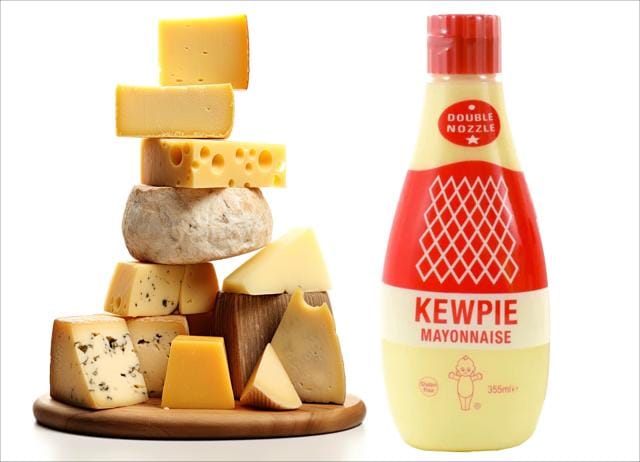
Japanese mayo. We make very good eggless mayonnaise in India. The problem is that I like eggs. Which is why I like Japanese mayo, which is made with egg yolks (in the US, mayo- makers usually use yolks and egg white) and is like a golden, savoury custard sauce. I bring back Kewpie’s Mayo, which is available all over the Far East, whenever I can.
Anchovy paste. Give me a raw anchovy and I will spit it out. But when you cook with anchovies, something happens to the fish. They melt into the dish, the fishy taste disappears and a rich umami flavour emerges. These days, I buy tubes of anchovy paste to add oomph to my cooking.
Bread. Unlike my wife, I am not a bread snob. In fact, at home, I usually eat the wheat-free Bungla bread made by Delhi’s Hyatt Regency. But every once in a while, I enjoy a good sourdough loaf. In England and France, we buy Poilane bread, recognising that it will last only for a few days. But it’s delicious while it does.
Cheese. I am not a great cheese eater. But I will buy Comte, Camembert or Brie if I am in France, and bring them back because the commercial version of these cheeses can be horrible. And, of course, I buy aged Parmigiano to put on top of Italian dishes.
Chocolate digestives. I have written so much, so often in praise of the McVities Dark Chocolate Digestive that I don’t think I need to say more. The world’s best biscuit.
As you can see, virtually nothing I buy is particularly expensive. Most of my purchases fall into the category of kitchen staples. And perhaps a day will come when I won’t need to buy even these items abroad. India is changing so quickly.


