E-Paper



Good buy or goodbye? What Indians won’t repurchase after the pandemic
From gym gear to luxury handbags, from impulse snacking to indulgent dining, here’s how we emerged from the lockdowns with a new sense of what is essential

 Prefer HTon Google


Everything changed in the pandemic. We’re still wary of crowds and sneezes. Workplaces are more fluid. And in our homes, a subtler, more lasting change is unfolding. Many of us are realising that we can do without a once-treasured frill, habit or object. See what Indians have given up in the last few years and what made them do it.
Gym memberships and gear.
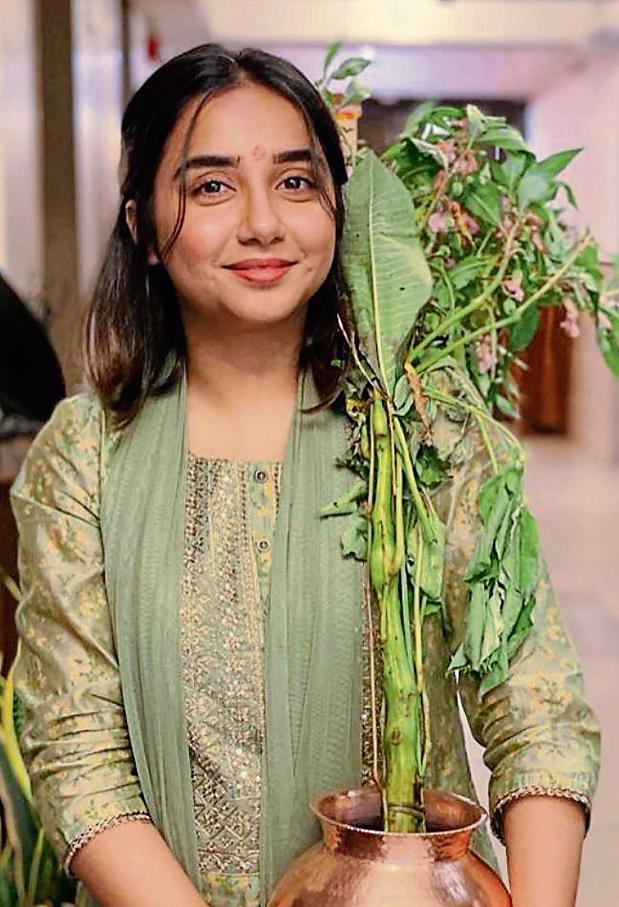
Yoga instructor and fitness content creator Prerna Sinha had a workout-related epiphany in the pandemic. She realised that she could combine her cardio, strength training, flexibility and mobility routines right at home. She is done with gyms and a separate workout wardrobe. “I am almost always in workout wear anyway, I don’t even need so much,” she says. Her fitness expenses, she says, are a fifth of what they used to be before 2020.
Impulse dining.
“I would eat out anytime of the day, whenever I felt like it,” says photographer Amit Ashar. He has a particular weakness for Asian food, and he’d follow his cravings to the nearest place that served a hearty bowl of soupy noodles. Months of relying on his kitchen at home have made him more conscious of his health. He gradually realised that not every urge needs to be addressed. When the impulse hits now, he prefers to make the effort to prepare it himself, to the best of his abilities. It ensures a cleaner and more hygienic eating habit, rather than an unmindful dining-out one.
Luxury handbags.
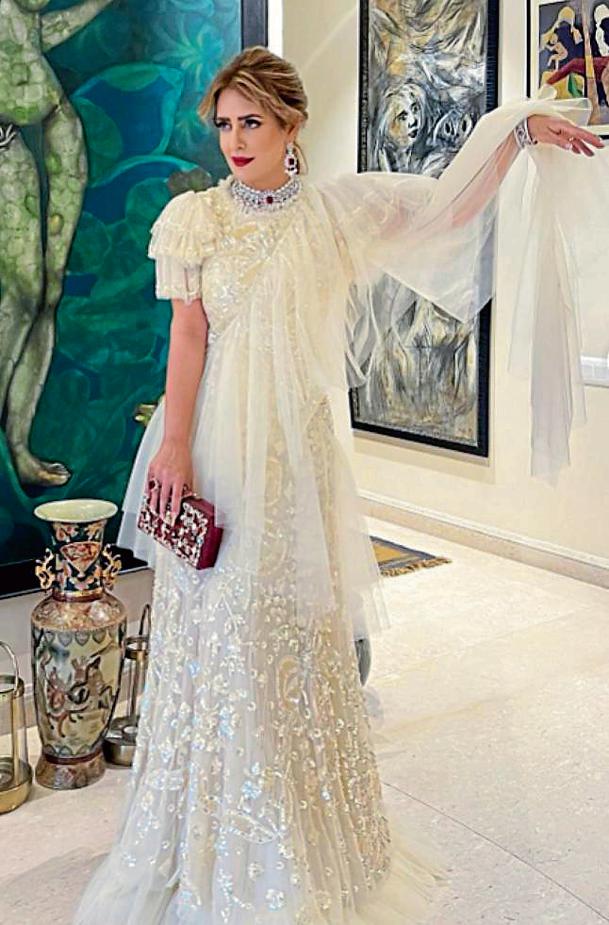
Fashion designer and celebrity chat-show host Pria Kataaria Puri says she’s reined in her habit of picking up luxury purses and clutches. For someone who works in fashion and is always in the public eye, “having the It bag for every occasion” was a way of making a statement, she says. “I went through cupboards and cupboards of expensive handbags that I had accumulated over 20-25 years,” she says. “I was shocked. They are all beautiful and in very good condition. I had forgotten all about them.” The pandemic stocktaking led her to make conscious efforts to draw from her closet – spending less and hoarding less.

The snacking habit.
No one can eat just one, but Radhika Ghai, founder and CEO of wellness focused e-commerce platform Kindlife, no longer eats chips or packaged snacks. “I prefer consuming cleaner, fresher and healthier. And this shift makes it happen from the inside out,” she says. The mindless impulse of munching out of stress or boredom, the 5pm cravings, are now satisfied with nuts, makhana or fresh fruit. “I noticed the impact the shift had on my body when we got back to a post-pandemic world,” she says. “I felt lighter and was less groggy.”
Virtual veggies.
Filmmaker and LGBTQ+ activist Sridhar Rangayan simply gave up buying fruits and vegetables online after lockdown curbs were lifted. “The simple pleasure of physical market visits, where you can see and touch the produce you want, is a joy.”
Synthetic fertiliser.
At the home of content creator Prajakta Koli, domestic fertilisers were a long-standing household purchase for the family’s 100+ indoor and outdoor plants. “We would end up spending a lot of money on fertiliser for this mad collection,” she says. She and her family decided to create their own compost pit instead, reducing waste and giving plants a home-grown boost. Leftover kitchen and dining discards get composted and used as plant food for a greener impact in all senses of the term.
International souvenirs.
They’re almost always overpriced, picked up during a weak, heady moment, to mark a happy trip. But Anjana Menon, author and founder of content strategy firm, Content Pixies, decided she’d had enough buyer’s remorse, enough clutter. “I travel a lot. I used to pick up a lot of stuff to fill my own home or office spaces with, or as gifts to friends. I’ve stopped doing that completely,” she says. She’s realised, from her visits to Japan, Slovenia, Laos and the UK, that tchotchkes are no substitute for living in the moment. So, no knick-knacks and memorabilia such as key chains, curios or commercially produced crafts. She hoards memories instead.