
 E-Paper



Dol Purnima: From history to significance, all you want to know about the swing festival of Braj region

 Prefer HTon Google


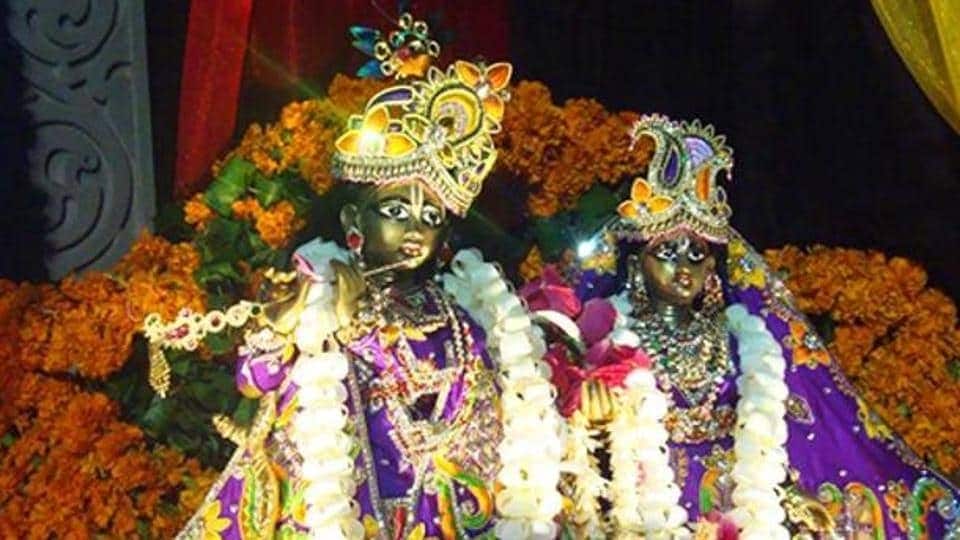
Dola Purnima, a Hindu swing festival, celebrates Radha and Krishna on the full moon night of Falgun. From history to significance, all details inside.
Dola Purnima, also known as Dolo Jatra, Doul Utsav or Deul, is a Hindu swing festival celebrated in the states of Bengal, Rajasthan, Assam, Tripura, Braj and Gujarat during the Holi festival. The festival honours the divine couple, Radha and Krishna. It falls on the night of the full moon, or the fifteenth day of the month of Falgun, and is mostly celebrated by the Gopal community. This year, it will be celebrated with much fanfare and excitement on Monday 25 March. For Hindus, Purnima, which means 'full moon', is an auspicious day. The first day of the festival, called 'Gondh', is believed to represent the day when Lord Krishna paid a visit to Ghunucha. (Also read: Chaitanya Mahaprabhu Jayanti 2024: Date, history, significance and everything you need to know )
What is Dol Purnima?
According to the Bengali calendar, Dol Jatra, also known as Dol Purnima, is the last festival of the year. People embrace the spring season with open arms as they celebrate the event. Although Dol and Holi are the same festival, they are based on different Hindu mythological stories. While Bengali Dol centres on Krishna and Radha, Holi is based on the story of Prahlad, a North Indian incarnation of Vishnu. In Vrindavan, Dol begins the day after a full moon night of Phalgun, a Bengali calendar month.
Legend has it that it was on this day that Krishna first showed Radha how much he loved her, while she was playing on a swing with her "sakhis", by throwing "phag", a powdered colour similar to gulaal, in her face. Dol literally translates as "swing". After the colour is applied, the sakhis commemorate the union by spinning the couple around on a palanquin, a symbol of jatra (journey). The Dol Jatra is thus inaugurated. The traditional Bengali Dol Jatra is still performed today using dried colours.
Significance of Dol Purnima
In Radha Vallabh and Haridasi sampradayas, where the idols of Radha Krishna are worshipped and given colours and flowers to begin the celebrations, this festival is also celebrated with great passion and devotion.
In Gaudiya Vaishnavism, this event is even more significant as it marks the birth of Chaitanya Mahaprabhu, who is considered to be the combined avatar of Radha and Krishna. He was a renowned philosopher and saint who was instrumental in the growth of the Bhakti movement in India. He also founded the tradition of Gaudiya Vaishnavism.
Dola Purnima 2024 celebration
The murtis of Krishna and his beloved Radha, lavishly decorated and covered in coloured powder, on this auspicious day. Radha Krishna's murtis are paraded through the states of Braj, Rajasthan, Gujarat, Bengal, Odisha and Assam on swaying palanquins decorated with colourful paper, flowers and leaves. The procession moves on to the sound of clanging conch shells, trumpet blowing, shouts of victory or joy and "Hôri Bola".
Singing of songs such as "Phaku khele korunamoy" by the 16th-century Assamese poet Madhavdev, especially at the Barpeta Satra, is how the event is celebrated in the Assamese region. Srimanta Sankardev, a 15th-century social reformer, artist and saint, observed Doul at Bordowa in Nagaon, Assam. The festival also has colour-themed activities, usually traditionally made from flowers.


