
 E-Paper



AIIMS-trained gastroenterologist reveals 7 things that happen when you walk 10 minutes post meals daily

 Prefer HTon Google


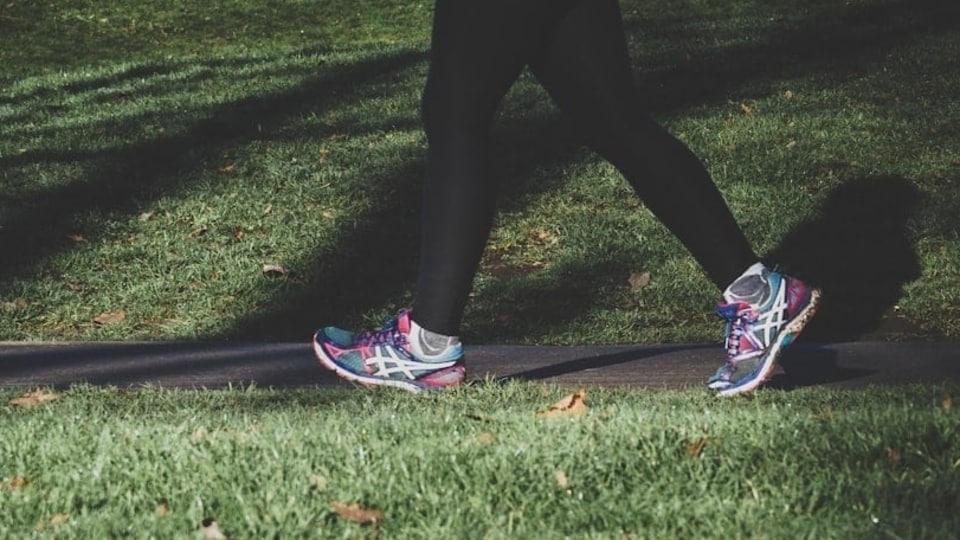
Dr Sethi emphasises the 7 benefits of walking post-meals daily, including better glucose control, improved digestion, and reduced acid reflux.
Several studies have proved that walking is one of the most low-cost, low-intensity, and low-effort exercises with maximum health benefits. In fact, walking after meals is also beneficial because it helps improve blood sugar levels, aids digestion, and supports heart health.
Highlighting these health benefits and more, Dr Saurabh Sethi, a board-certified gastroenterologist and hepatologist with 25 years of experience and trained at AIIMS, Harvard and Stanford University, shared a post on Instagram on November 19. Here's what he shared:
7 benefits of walking after meals
According to Dr Sethi, one should walk at least 10 minutes after eating a meal, and here are the 7 things that happen inside your body when you do so:
1. Your blood sugar drops up to 30%
Your body loves stability, according to the gastroenterologist, and walking after meals slows how fast glucose enters your bloodstream, which means you have:
- Lower sugar spikes
- Lower insulin release
- Steadier energy
- Less inflammation
2. Insulin sensitivity improves
Dr Sethi highlighted how a short walk after a meal signals muscles to pull glucose from the blood without needing as much insulin. “This is why post-meal walks lower the glucose curve better than many medications in studies. Your muscles become more ‘metabolically awake’,” he noted.
3. Digestion moves better
A light walk, according to Dr Sethi, also activates your GI tract and vagus nerve. What does this mean? He explained that it leads to:
- Less sluggish digestion
- Better stomach emptying
- Reduced constipation risk
- Movement improves movement
4. Bloating drops
“Post-meal walking reduces gas retention and improves motility. If meals sit heavy in your gut, this is the simplest fix. Especially helpful for IBS and slow transit,” Dr Sethi explained.
5. Reflux episodes fall
After meals, reflux is highest when you sit or lie down, according to Dr Sethi. “A slow walk keeps food moving and reduces acid exposure. Just 10-12 minutes can noticeably reduce heartburn after dinner,” he advised.
6. Your triglycerides improve
“Walking right after eating helps clear fat from the bloodstream faster. In the long term, this improves cardiometabolic risk, fatty liver markers, inflammation, and waist circumference. Think of it as micro-exercise with macro impact,” Dr Sethi explained.
7. Your sleep gets better
According to Dr Sethi, walking after meals also improves your sleep cycle, especially when you take a short walk after your evening meal. “It stabilises glucose and prevents late-night reflux: two major sleep disruptors. Better sleep = better hormones, appetite, gut motility, and decision-making,” he noted.
How long or fast should you walk after meals?
The gastroenterologist noted that the sweet spot for after-meal walks is:
- 10-12 minutes
- Slow-to-brisk walk (not a workout)
He suggests walking after lunch, after dinner, or whenever you eat your biggest meal. As consistency is always better than intensity.
“This is one of the highest-ROI habits for your gut and metabolic health,” he added.
Note to readers: This article is for informational purposes only and not a substitute for professional medical advice. Always seek the advice of your doctor with any questions about a medical condition.
This report is based on user-generated content from social media. HT.com has not independently verified the claims and does not endorse them.


Catch your daily dose of Fashion, Taylor Swift, Health, Festivals, Travel, Relationship, Recipe and all the other Latest Lifestyle News on Hindustan Times Website and APPs.


