
 E-Paper



Anxiety or Parkinson's disease? Expert on how to differentiate between the symptoms

 Prefer HTon Google


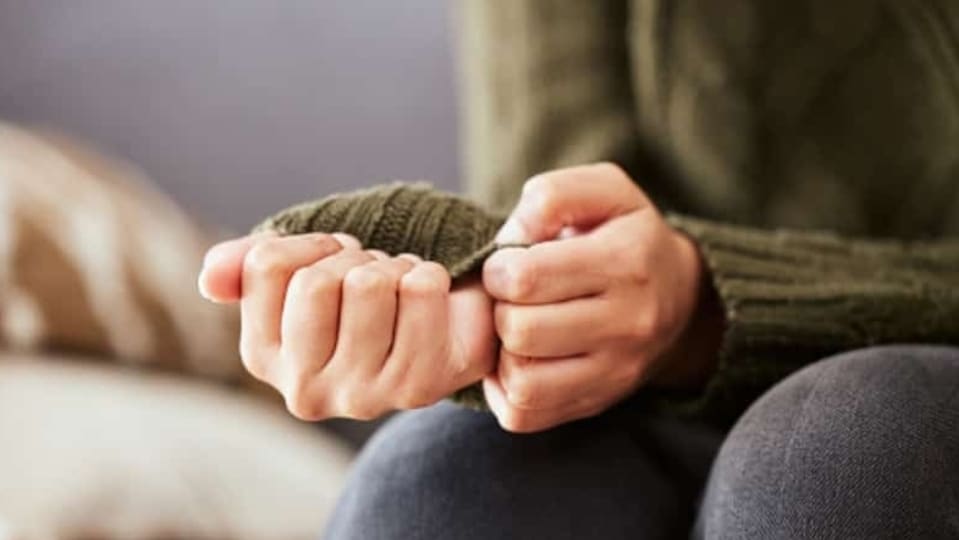
It can be difficult to distinguish between anxiety and Parkinson's disease, as they share similar symptoms. An expert on how to tell the difference between the two.
Anxiety and stress can affect your brain in a number of ways and can have both long term and short-term effects. Being anxious all the time can disrupt the balance of neurotransmitters in the brain, leading to imbalances that can affect mood, behaviour, and cognitive function. Chronic stress can shrink some parts of the brain and affect memory and learning. They are also known to cause mood swings and reduced decision-making abilities. According to recent studies, stress and anxiety can trigger Parkinson's disease, disorder of central nervous system. (Also read: Early signs of brain diseases while sleeping you should not ignore)
Can stress and anxiety trigger Parkinson's?
"Anxiety and stress can trigger Parkinson’s because they can cause the body to produce high levels of the stress hormone cortisol. This can cause a cascade of reactions that can lead to the release of free radicals and inflammation, which can damage the brain cells responsible for controlling movement. In addition, stress and anxiety can also lead to the abnormal formation of proteins in the brain, which is a hallmark of Parkinson’s disease. Furthermore, chronic stress can also cause the body to become resistant to the effects of dopamine, a neurotransmitter that helps to control movement. This can lead to a further decline in movement control, which can lead to the development of Parkinson’s," says Dr Shekhar Patil, Consultant - Adult & Paediatric Neurology, Apollo Hospitals, Navi Mumbai.
Symptoms of Parkinson's
Parkinson’s signs and symptoms as per Dr Patil may include tremors or shaking, usually in the hands, arms, legs, jaw, and face, stiffness or reduced movement of the arms, legs, and torso, slowness of movement(bradykinesia), impaired balance and coordination, loss of automatic movements such as blinking, difficulty in speaking or swallowing, changes in facial expression, writing difficulties, an increased risk of depression and anxiety and constipation.
Is it anxiety or Parkinson's, how to distinguish between symptoms?
It can be difficult to distinguish between anxiety and Parkinson's disease, as they share similar symptoms. The key to differentiating between the two is to understand the cause of the symptoms.
"With anxiety, the symptoms are caused by an overactive or over reactive fear response. With Parkinson's, the symptoms are caused by a lack of dopamine production in the brain. Common symptoms of anxiety can include restlessness, feeling tense or on edge, difficulty sleeping, racing thoughts, difficulty concentrating, feeling irritable, excessive worrying and fear," says Dr Patil.
"Common symptoms of Parkinson's disease can include tremors, difficulty with balance and coordination, rigidity of muscles, slowness of movement, difficulty with daily activities, difficulty speaking, and changes in handwriting," adds the expert.
If you are experiencing any of these symptoms, it is important to speak with your doctor for an official diagnosis. They may be able to distinguish between anxiety and Parkinson's disease based on your medical history, neurological exam, and laboratory tests.
Tips to control stress and anxiety levels so as to prevent Parkinson’s
Dr Patil also suggests ways to monitor stress levels on a regular basis.
Exercise regularly: Exercise can help reduce stress and anxiety levels and is an important part of managing Parkinson’s disease. Regular physical activity, such as walking or swimming, can help reduce stress and anxiety.
Get enough sleep: Sleep deprivation can lead to an increase in stress and anxiety levels. Aim to get at least 7-8 hours of sleep each night.
Eat healthy: Eating a balanced diet and avoiding processed foods can help keep stress and anxiety levels low.
Connect with friends and family: Social interaction can help reduce stress and anxiety, so make sure to spend time with family and friends.
Try relaxation techniques: Deep breathing, progressive muscle relaxation, guided imagery, and other relaxation techniques can help reduce stress and anxiety.
Practice mindfulness: Mindfulness is the practice of being aware and present in the moment without judgment. Practicing mindfulness can help reduce stress and anxiety.
Talk to your doctor: If you are experiencing severe or persistent stress and anxiety, talk to your doctor about medications or other treatments that can help.


