
 E-Paper



Cause and treatment of uterine fibroids that lead to heavy bleeding during menses

 Prefer HTon Google


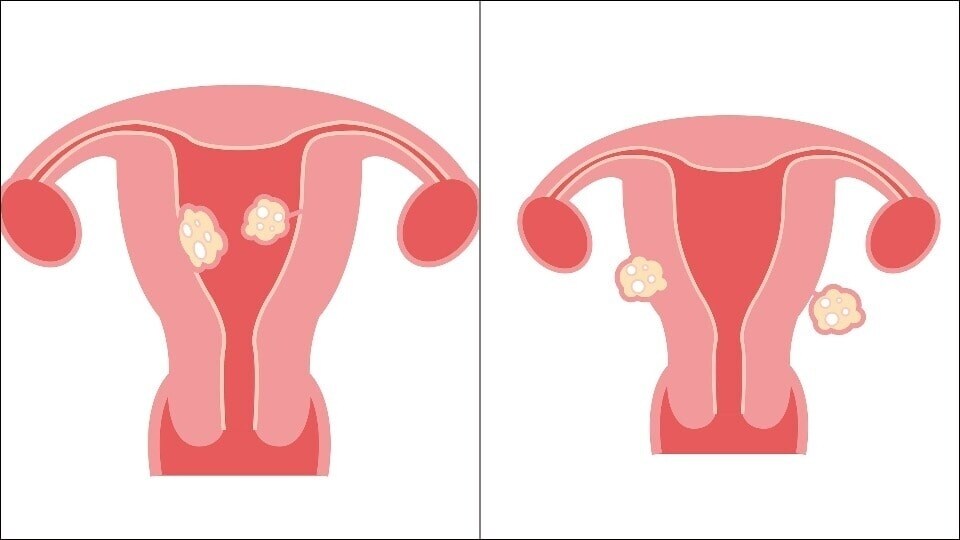
Women detected with fibroids tend to experience heavy menses. Here's the link between the uterine fibroid and menstrual bleeding, its cause and treatment
Did you know that fibroids (noncancerous growths of the uterus) are frequently observed in women of all age groups? These fibroids, also known as leiomyomas (or myomas), can cause severe abdominal pain and heavy periods during the childbearing years hence, will require timely treatment.
In an interview with HT Lifestyle, Dr Shalini Vijay, Senior Consultant Obstetrician and Gynaecologist at Motherhood Hospitals in Lullanagar, revealed, “The common signs and symptoms of fibroids are painful intercourse, bladder and bowel problems, periods lasting for more than 5 days, bleeding in between periods, miscarriage and infertility.”
Link between uterine fibroids and heavy bleeding during menses:
Dr Shalini Vijay explained, “Heavy menstrual bleeding is often characterised by a period that exceeds seven days in duration and necessitates frequent changing of sanitary products. Although the exact cause of heavy, prolonged periods due to uterine fibroids is unknown, several theories exist. Uterine fibroids may exert pressure on the uterine lining, resulting in excessive bleeding. Additionally, the uterus may not contract properly, leading to an inability to halt the bleeding. Fibroids may also promote the growth of blood vessels, contributing to heavier or irregular periods and spotting between periods. Elevated levels of prostaglandins, a hormone, may also play a role in heavy bleeding.”
She elaborated, “The severity of menstrual bleeding due to uterine fibroids is based on factors such as the location of the fibroids, the uterus's capacity to contract, ancillary prostaglandins, and even the distortion to the lining of the uterus. Fibroids tend to have an abnormal network of blood vessels, which invites excessive bleeding during menstruation. Apart from fibroids, heavy menstrual bleeding, also known as menorrhagia can be seen due to hormonal imbalances, uterine fibroids or polyps, adenomyosis, endometriosis, blood clotting disorders, thyroid problems, or certain medications. It is a good idea to consult the doctor without any delay.”
The treatment:
Dr Shalini Vijay suggetsed, “To tackle uterine fibroids and bleeding, one will have to opt for birth control pills, hormonal IUDs, hormonal injections, medication, surgery and even a hysterectomy. The treatment will vary from one woman to another based on the size and the location of the fibroid. It will be essential for the patient to consult the doctor and get all the queries solved when it comes to the treatment part.”


