
 E-Paper



Multiple fibroids: Treatment options, management of uterine myomas or leiomyomas

 Prefer HTon Google


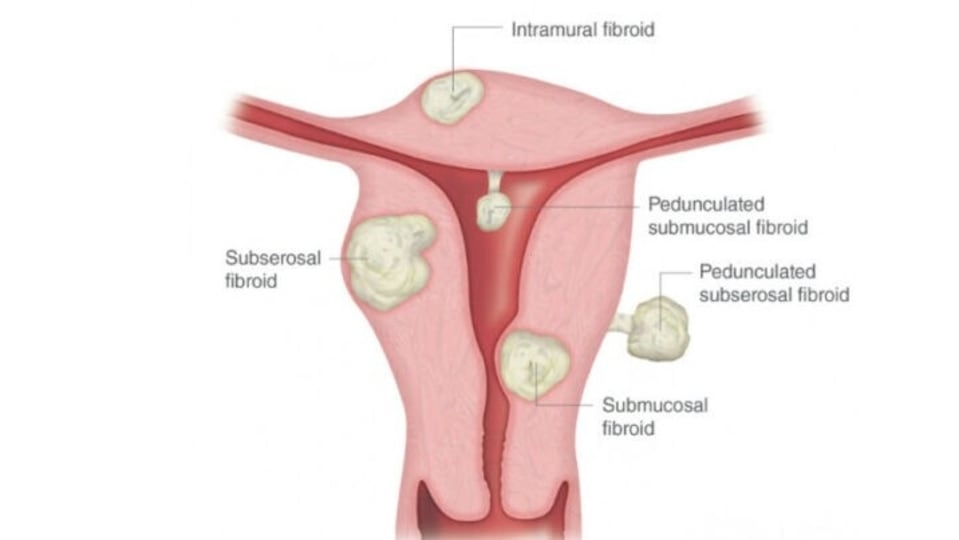
To tell if a lump in the uterus is a common fibroid or a rare malignant tumour can occasionally be challenging. Here are its risk factors, treatment options and management of uterine myomas or leiomyomas
Fibroids are uterine growths and they may also be referred to as uterine myomas or leiomyomas where because the uterus is formed of muscle, fibroids develop there. Fibroids may protrude from the uterus inside or outside and are usually not cancerous and rarely develop into cancer but to tell if a lump in the uterus is a common fibroid or a rare malignant tumour can occasionally be challenging.
Fibroids are rather prevalent and in their lives, over 80% of females will develop fibroids, albeit not everyone experiences troublesome symptoms. There are treatments for fibroid-related issues including excessive menstrual bleeding, pelvic discomfort or pressure, as well as issues becoming pregnant or having children.
FACTORS RISK OF FIBROID
In an interview with HT Lifestyle, Dr Jainesh Doctor, Advanced Gynae Endoscopic Surgeon, International Operating Faculty and Trainer at Motherhood Hospital in Kharghar, shared, “There is no known cause of fibroids. However, doctors have found a variety of variables (such as age at first menstruation, certain genes, lifestyle, and a number of pregnancies) that may affect a person's risk, including the fact that fibroids appear to respond to the female hormones oestrogen and progesterone. However, fibroids can occur in people who have no known or hypothetical risk factors. Oftentimes, uterine fibroids are discovered by chance during a normal pelvic check. Your uterus may have anomalies that your doctor may feel and that point to the existence of fibroids.”
TESTS FOR FIBROIDS:
According to Dr Jainesh Doctor, the following tests may be prescribed by your doctor if you exhibit uterine fibroids symptoms:
1. Ultrasound - Your doctor could request an ultrasound if more confirmation is required. In order to map and quantify fibroids as well as confirm the diagnosis, it employs sound waves to create an image of your uterus. To obtain photos of your uterus, a doctor or technician will either insert the ultrasound transducer into your vagina or move it across your abdomen (transabdominal).
2. Lab testing - Your doctor can prescribe further testing if you experience unusual menstrual bleeding to look into possible reasons. A complete blood count (CBC) can help identify whether you have anaemia from ongoing blood loss, and additional blood tests can help rule out thyroid issues or bleeding disorders.
3. Iron and vitamins – If you have anaemia, your doctor will probably advise taking a multivitamin along with iron pills (which will help your body effectively use the iron). Before taking any supplements, discuss with your healthcare professional if you may be iron deficient. To confirm you need more iron and to ensure you receive the proper dosage, they might arrange blood tests.
4. Birth control pills - The pill, a vaginal ring, a shot, a hormonal IUD, and an implant are examples of hormonal birth control treatments. These procedures can treat anaemia and decrease menstrual cramps, bleeding, and discomfort. After you begin using hormonal birth control, it could take upto three months for the bleeding to stop.
TREATMENT AND MANAGEMENT:
Dr Jainesh Doctor revealed, “There are several treatment options for uterine fibroid removal and are customized to a patient's complaints and fertility needs. If you experience symptoms, discuss symptom treatment alternatives with your doctor. Many women with uterine fibroids either don't have any symptoms at all or just have minor ones that they can tolerate.” He recommended:
1. Watchful waiting could be the best course of action for you if that's the situation. Unless they are larger than 4 cm in size or positioned in a way that their growth can lead to complications. They also affect pregnancies- both difficulty in conception and repeated miscarriage . As the levels of reproductive hormones decline after menopause, they often disappear slowly or not at all once menopause sets in.
2. The symptoms of uterine fibroids, such as excessive monthly flow and pelvic discomfort, are treated with medications that target the hormones that control your menstrual cycle. They sometimes cause small fibroids to shrink, but they do not remove them and once the medicines are stopped the fibroids again start growing. Post medical treatment the surgical removal is more difficult and associated with more damage to the uterus and bleeding.
3. Myomectomy is the most common surgical solution if fibroids may be the reason, you're having problems getting pregnant, heavy bleeding, pain in abdomen etc i.e. any symptomatic fibroid has to be surgically removed. Before having fibroid surgery, check with your doctor to be sure that any other potential reasons for infertility have been addressed which can be simultaneously dealt with.
Your healthcare professional may discuss the advantages and disadvantages of each treatment option with you and assist you in choosing the option that is best for you.


