
 E-Paper



More children wearing glasses? Ophthalmologist explains link between screen time and children’s eye health

 Prefer HTon Google


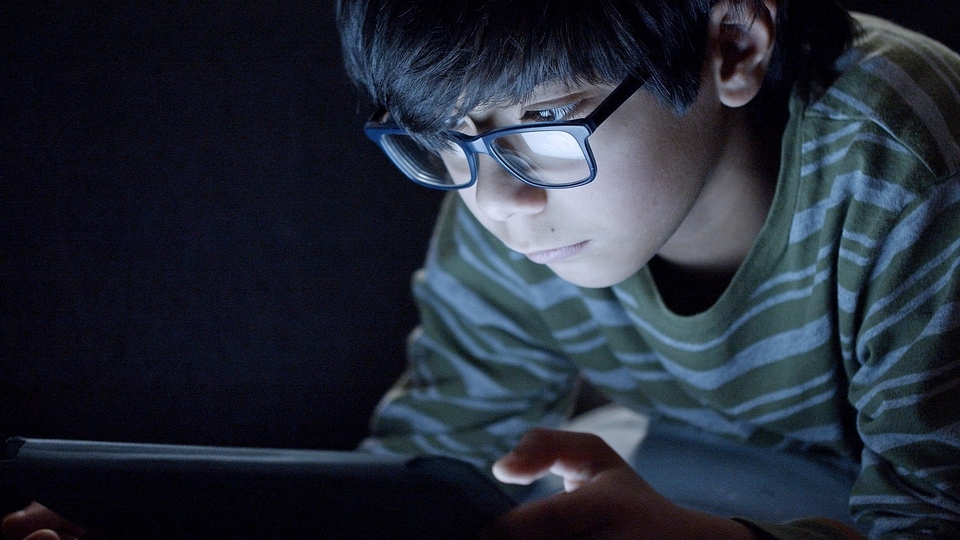
It is not practical to ask children to completely stay away from screens, but the threat to eye health is very real. Dr Prateek Gupta shares how to balance it.
A child rubbing their eyes after homework, sitting too close to a tablet or complaining that their eyes feel tired may seem like a small problem. But when screens occupy a large part of a child’s day, these symptoms deserve attention, believes ophthalmologist Dr Pradeep Gupta.
“The concern is not simply the number of hours spent on a device. It is what prolonged near work, fewer breaks and less time outdoors may be doing to developing eyes,” he shared with HT Lifestyle.
With a growing number of children becoming dependent on corrective glasses, Dr Gupta explained the effects of long screen exposure on children’s eyes and shared what can be done about it.
The direct effect of screens on young eyes
“Digital eye strain is increasingly being seen in children and adolescents who spend long periods looking at phones, tablets and computers,” noted Dr Gupta.
“Concentrating on a screen reduces the frequency of blinking, which can destabilise the tear film and contribute to dryness, irritation, watering, blurred vision and headaches,” he added.
The ophthalmologist cited a study published in the Indian Journal of Ophthalmology, which evaluated 462 schoolchildren and found that more than 90 percent reported symptoms of dry eye.
More importantly, children with more than three to three and a half hours of cumulative daily digital-device exposure had a significantly higher risk of dry eye, while every additional half-hour of computer use was associated with greater odds of moderate to severe symptoms.
“This does not mean that screens permanently damage the eyes,” stated Dr Gupta. “The problem is often the pattern of use: prolonged, uninterrupted near work, poor viewing distances, glare and inadequate breaks.”
Effects of screen time cutting into outdoor activities
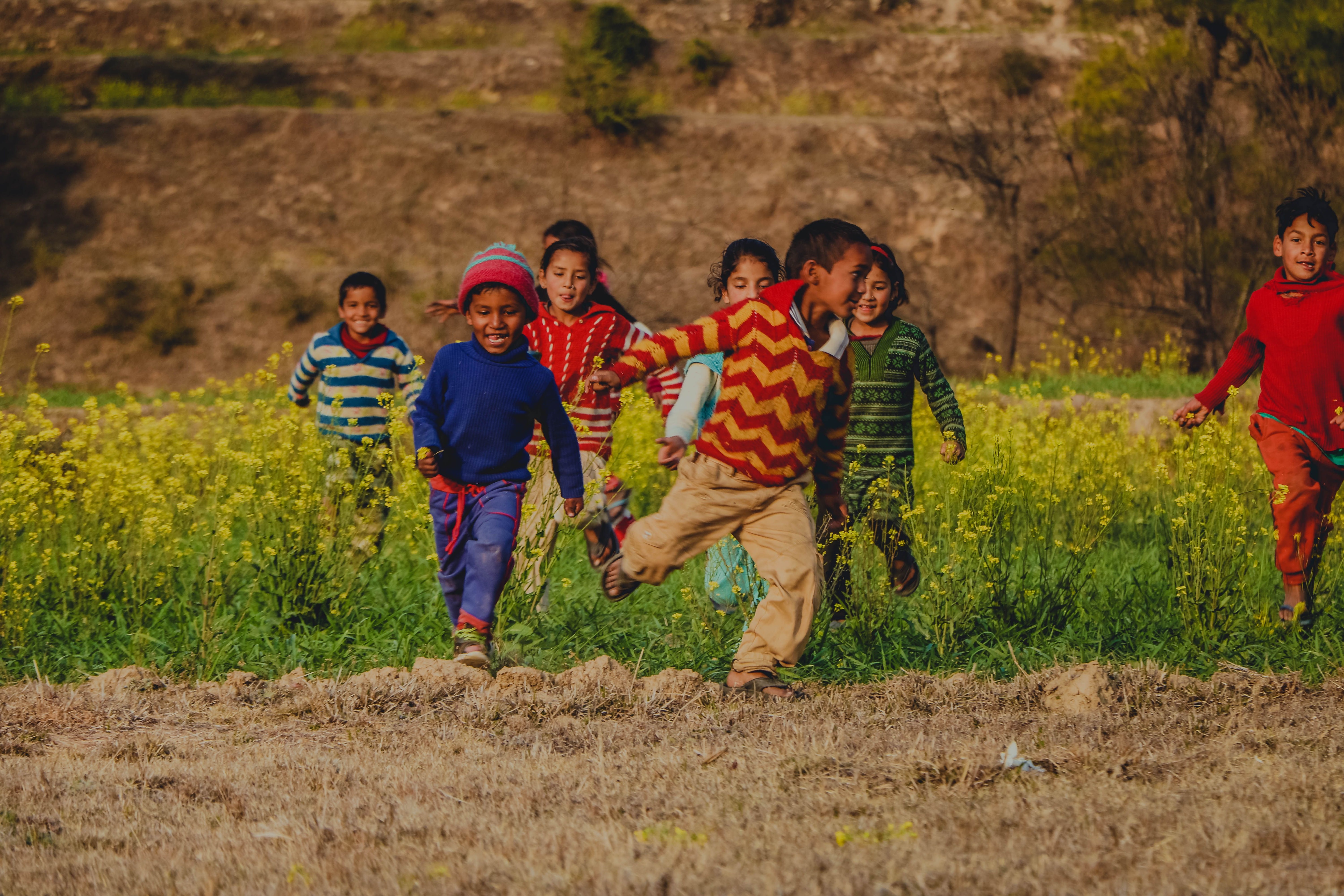
Dr Gupta believes that there is another aspect of children’s eye health that parents should not overlook, and that is the amount of time they spend outdoors.
“Myopia, or short-sightedness, is becoming increasingly common among children and adolescents,” he stated. “While it would be too simplistic to blame screens alone, several factors can influence the development of myopia, including genetics, prolonged near work, academic demands and limited outdoor exposure.”
The ophthalmologist pointed out that research has consistently shown that spending time outdoors can have a protective effect on children’s eyes.
“This makes outdoor play an important part of a child’s daily routine, particularly when screen use begins to take up time that would otherwise be spent playing, moving around and looking at objects at varying distances,” he noted.
What can parents do every day?
Regardless of their effect on an individual’s health, screens have become an integral part of our lives at all stages. Therefore, to maintain good eye health, the goal should not be to eliminate technology, which is neither practical nor necessary, noted Dr Gupta. Instead, children need healthier screen habits.
“Parents should encourage regular visual breaks, including the 20-20-20 approach: after every 20 minutes of near work, look at something around 20 feet away for at least 20 seconds,” he stated.
“Devices should be held at a comfortable distance, with adequate room lighting and minimal glare. Children should also be reminded to blink frequently rather than stare continuously at the screen.”
Most importantly, Dr Gupta stressed making outdoor play a part of the daily routine.
“Walking, cycling, playing a sport, or simply spending time in a park gives children a break from sustained near work and may help reduce myopia risk,” he stated. “Recent evidence suggests that around two hours of outdoor exposure a day can be a useful practical benchmark, although the ideal amount can vary.”
Warning signs to watch
There are a number of warning signs that parents should watch out for in children and seek an eye examination when required. They include:
- Frequent squinting
- Sitting very close to a screen or television
- Holding books unusually close
- Complaining of recurring headaches
- Struggling to see the classroom board
“Healthy eyes are not about banning screens. They are about balance,” shared Dr Gupta. “In protecting children’s vision, sometimes the most important intervention is not another app or eye-care product, but simply encouraging them to put the screen down and look outside.”
Note to readers: This article is for informational purposes only and not a substitute for professional medical advice. Always seek the advice of your doctor with any questions about a medical condition.
Dr Pradeep Gupta is the head of the department of ophthalmology at Paras Health, Panchkula. He has more than 18 years of experience in managing complex eye conditions.


Catch your daily dose of Fashion, Taylor Swift, Health, Festivals, Travel, Relationship, Recipe and all the other Latest Lifestyle News on Hindustan Times Website and APPs.


