
 E-Paper



Dermat shares 5 reasons why your pillowcase may be triggering acne; suggests 6 remedies to prevent it

 Prefer HTon Google


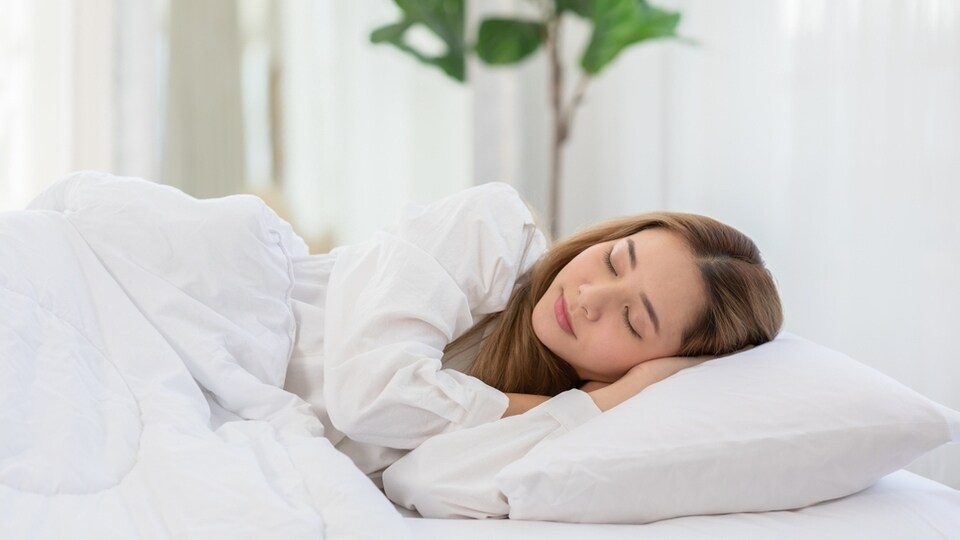
Pillowcase is one of the reasons behind your breakouts. Learn why it happens and how you can fix.
You may have ticked off all the essentials of your skincare, from double cleansing to following the two-finger rule and slathering on sunscreen like a pro. You have also adhered to your diet, reduced the screentime, and consistently caught the sleep train at the right time every night (no more late-night doomscrolling). But if you are still breaking out, despite doing everything right, it can feel incredibly frustrating and demotivating. Turns out, if you are overlooking this one aspect, you may get acne. Your pillowcase affects your acne more than you think.
In an interview with HT Lifestyle, Dr Ritika Shanmugam, Consultant at Dermatology and Cosmetology, Manipal Hospital, Malleshwaram, shared key reasons why your pillowcase may be triggering your acne.
Here's the entire guide that she shared on decoding the reasons for treatments:
How does your pillowcase affect your acne?
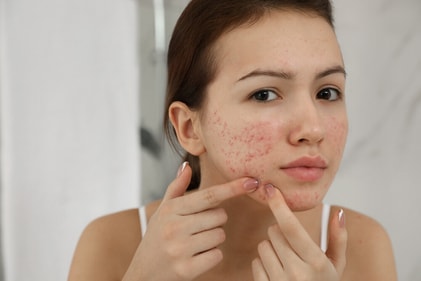
1. Buildup of oils, bacteria, and debris
- Throughout the day, your face accumulates oils (sebum), environmental pollutants, dirt, and dead skin cells.
- Even if you cleanse at night, some oils and cells remain, and your hair also transfers oils, styling products, and dead skin to your pillowcase.
- Night after night, the pillowcase acts like a sponge as it absorbs and collects this buildup.
- Over time, it becomes a reservoir of substances that can reintroduce bacteria and clog pores when your skin rubs against it for hours.
2. Breeding ground for bacteria
- When you sleep, your skin gets pressed against the pillow, creating an occlusive (trapped) environment.
- Acne-causing bacteria (like Cutibacterium acnes, formerly Propionibacterium acnes) thrive in low-oxygen, oily conditions. A dirty pillowcase creates the perfect microenvironment: warm, slightly moist, full of oil and dead skin.
- The more bacterial load you introduce to the skin, the greater the chance your immune system reacts, resulting in inflammatory acne (papules, pustules, cysts).
3. Mechanical friction
- Constant rubbing or pressure against the skin from a rough, dirty, or even just heavily used pillowcase can cause mechanical irritation.
- This type of irritation can physically disrupt the skin barrier and stimulate the formation of comedones (clogged pores). This phenomenon is called acne mechanica — a type of acne that’s well-documented among athletes who wear helmets, straps, and pads, but it also applies to repetitive friction from sleep surfaces.
4. Transfer of hair and skincare products
- Hair products (like oils, pomades, dry shampoo, hairspray) can rub off on pillowcases. Many of these are comedogenic (pore-clogging) and can transfer onto your facial skin during sleep.
- Similarly, heavy night creams, oils, and serums can smear onto your pillowcase and mix with dirt, again raising the chance of clogged pores and irritation.
5. Allergic and irritant reactions
- Laundry detergents, fabric softeners, and dryer sheets often leave behind chemical residues on fabric.
- If you’re sensitive, these chemicals can cause contact dermatitis (redness, itching, swelling), which in some cases can resemble or exacerbate acne.
- Fragrances, dyes, and preservatives in laundry products are common culprits.
How do you prevent the pillowcase from triggering your acne?

- Change pillowcases at least twice a week, more often if you sweat a lot at night or use heavy skincare products.
- Use fragrance-free, hypoallergenic laundry detergents.
- Avoid fabric softeners or dryer sheets that deposit irritating chemicals.
- Choose soft, breathable fabrics; cotton is good; silk can be helpful, mainly because it reduces friction.
- Tie back long hair or use a sleep bonnet to limit hair-product transfer.
- Ensure face is cleansed thoroughly before bed; sleeping with makeup or sunscreen on will worsen the problem.
Note to readers: This article is for informational purposes only and not a substitute for professional medical advice. Always seek the advice of your doctor with any questions about a medical condition.


Catch your daily dose of Fashion, Taylor Swift, Health, Festivals, Travel, Relationship, Recipe and all the other Latest Lifestyle News on Hindustan Times Website and APPs.


