
 E-Paper



Does breast density increase breast cancer risk? Radiologist Dr Bimalpreet Mohan explains how it influences mammograms

 Prefer HTon Google



Breast density is one of the lesser known factors that can influence your risk of breast cancer. Dr Mohan explains what every women should know!
Breast cancer is among the most common cancers affecting women, but one lesser-known factor can make it harder to detect early: breast density. Even women who undergo regular mammograms may not realise that having dense breast tissue can make abnormalities more difficult to spot on screening images. Learning about breast density isn't meant to cause alarm – it's about understanding your body, recognising its impact on screening, and making informed decisions about your breast health.
Also Read | Radiologist explains why routine mammography screenings for breast cancer are important for women over 40
HT Lifestyle reached out to Dr Bimalpreet Mohan – director, chief radiologist and women's health expert at Capital Health Clinic, Hauz Khas, New Delhi – who highlights that awareness around breast density is steadily improving, but many women still hear the term for the first time only after a mammogram report.
She explains, “Dense breasts are not a disease or an abnormal condition. They simply describe the composition of breast tissue. However, breast density can make it more difficult to identify certain abnormalities on a mammogram, which is why women should understand what it means and discuss the most appropriate screening plan with their doctor.”
What exactly are ‘dense breasts’?
According to Dr Mohan, breasts are made up of fatty tissue and fibroglandular tissue. Women with a higher proportion of glandular and connective tissue than fatty tissue are said to have dense breasts.
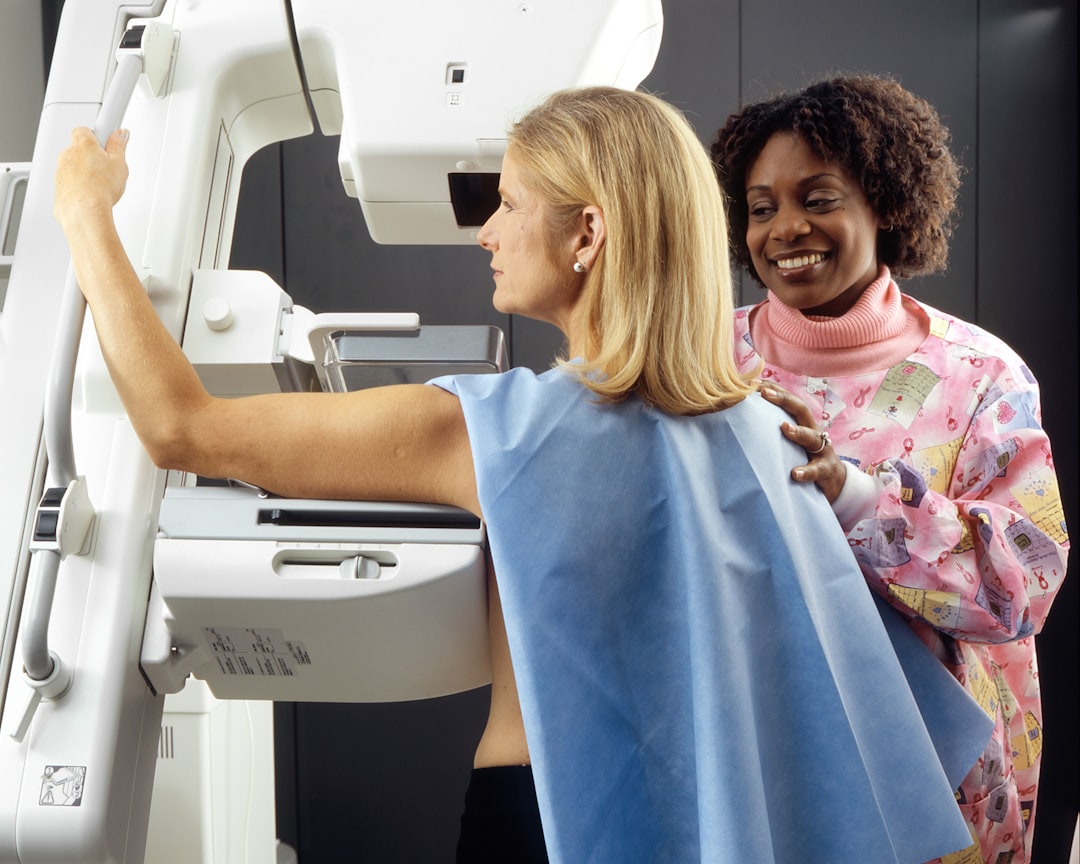
She explains, “Breast density cannot be determined by touch or appearance – it is identified only through imaging, usually a mammogram. Dense breast tissue appears white on a mammogram, much like many breast abnormalities. This similarity can sometimes make it harder to spot small cancers, which is why additional imaging may be recommended for some women.”
Why does breast density matter?
The radiologist highlights that breast density is an important factor because it can make mammograms harder to interpret. Dense tissue can mask small tumours because both appear white on mammography. While mammograms remain the gold standard for breast cancer screening, breast density may reduce their sensitivity in some women.
Dr Mohan notes, “A mammogram continues to be an essential screening tool, but breast density is one of several factors radiologists consider while interpreting images. In certain situations, additional imaging such as ultrasound or MRI may help provide a more comprehensive evaluation.”
Does having dense breasts increase breast cancer risk?
Having dense breasts is considered one of several factors associated with a modestly increased risk of breast cancer. However, it does not mean a woman will develop cancer. The radiologist explains, “Age, family history, inherited genetic mutations, hormonal factors, obesity after menopause and lifestyle habits also contribute to an individual's overall risk profile. Breast density should always be interpreted alongside these factors rather than in isolation.”
Does every woman need additional scans?
“Not necessarily. Screening should be individualised,” says Dr Mohan. The need for supplemental imaging depends on a woman's overall risk, age, family history, previous breast findings and clinical examination. Some women may benefit from an ultrasound or breast MRI, while others may not require anything beyond routine mammography.
The radiologist emphasises, “Screening recommendations should never follow a one-size-fits-all approach. Every woman’s risk profile is different, and the decision to perform additional imaging should be made after discussing individual risk factors with a healthcare professional.”
How to protect breast health?
- Know your breast density: Ask your doctor to explain your mammogram report and whether you have dense breast tissue.
- Don't skip routine screening: Even if you have dense breasts, regular mammograms remain one of the most effective ways to detect breast cancer early.
- Pay attention to changes: Report any new lump, persistent pain, nipple discharge, skin changes or changes in breast shape to your doctor without delay.
- Adopt a healthy lifestyle: Maintaining a healthy weight, exercising regularly, limiting alcohol consumption and following a balanced diet can contribute to better overall breast health.
Early detection continues to be one of the strongest weapons against breast cancer. Dr Mohan concludes, “Knowing your breast density empowers you to have informed conversations with your doctor and ensures that your screening strategy is tailored to your individual needs rather than based on assumptions. Regular screening, awareness and timely medical advice remain the strongest tools in the fight against breast cancer.”
Note to readers: This article is for informational purposes only and not a substitute for professional medical advice. Always seek the advice of your doctor with any questions about a medical condition.


Catch your daily dose of Fashion, Taylor Swift, Health, Festivals, Travel, Relationship, Recipe and all the other Latest Lifestyle News on Hindustan Times Website and APPs.


