
 E-Paper



Doomscrolled for too long, now you can't sleep? Doctor explains how prolonged screen exposure affects your brain

 Prefer HTon Google


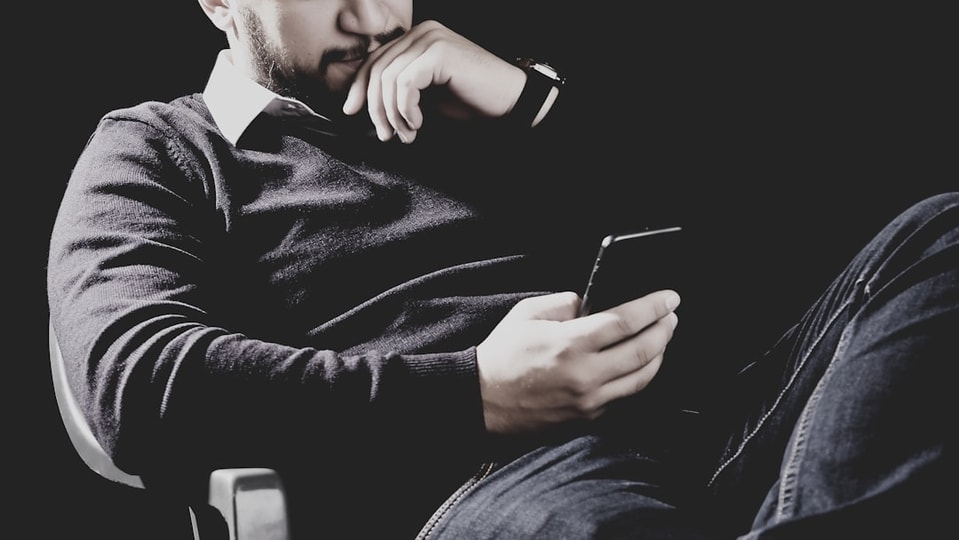
Scrolling before bed is addictive, but it may be negatively impacting your sleep patterns. Dr Sood explains how screen time can overstimulate your brain.
Ever found yourself scrolling endlessly before bed, only to realise you can’t fall asleep afterwards? It may seem harmless in the moment, but late-night screen time can quietly interfere with how your brain and body prepare for rest. From disrupting melatonin production to throwing off your natural sleep-wake cycle, the constant stimulation from screens keeps your mind alert when it should be winding down. The more you engage with fast-paced content, especially at night, the harder it becomes for your body to switch into rest mode – making sleep feel frustratingly out of reach.
Dr Kunal Sood, an anaesthesiologist and interventional pain medicine physician, is shedding light on how prolonged screen exposure can impact your body – unpacking the physiological changes it triggers and what that means for your overall health. In an Instagram video shared on April 24, the physician highlights, “Studies show prolonged screen exposure increases sympathetic nervous system activity. Which means, your body stays alert long after looking at screens.”
Sympathetic activation increases
Dr Sood notes that excessive screen use is linked to heightened sympathetic nervous system activity and lower heart rate variability. In simple terms, this keeps the body in a prolonged state of “fight-or-flight,” meaning it can remain physiologically stressed even long after you’ve stepped away from your screens.
He explains, “Studies show heavy screen use is associated with higher sympathetic nervous system activity and reduced heart rate variability, reflecting a shift away from ‘rest-and-recover’ toward ‘fight-or-flight’ physiology.”
Light exposure delays recovery
Blue-wavelength light emitted by screens signals to the brain that it’s still daytime, suppressing the release of melatonin – the hormone that regulates sleep. As a result, the natural sleep-wake cycle gets disrupted, delaying the onset of sleep and keeping the mind in a state of heightened alertness.
Dr Sood explains, “Screens emit blue-wavelength light that signals daytime to the brain. This suppresses melatonin and delays sleep onset, keeping the brain in a wake-promoting state longer than intended.”
Cognitive stimulation sustains alertness
The longer you spend scrolling, the more your brain is exposed to rapid-fire content, constant notifications, and multitasking demands – all of which keep it highly stimulated. This sustained mental engagement activates dopamine pathways, reinforcing the habit and making it harder for the brain to wind down and transition into a state of rest and relaxation.
The physician notes, “Fast-paced content, notifications, and multitasking activate reward pathways and increase mental engagement. This dopaminergic stimulation feeds into autonomic activation, making it harder for the brain to downshift into a relaxed state.”
Physiologic arousal persists
According to Dr Sood, heightened sympathetic nervous system activity increases heart rate, blood pressure, and overall alertness. With prolonged screen exposure, this activated state lingers, keeping the body stimulated for extended periods and delaying the shift into parasympathetic “rest and recovery” mode.
He explains, “Increased sympathetic tone raises heart rate, blood pressure, and vigilance. When exposure is prolonged, the system stays activated rather than cycling back to parasympathetic recovery.”
Behavioral effects compound the problem
The more you find yourself doomscrolling, the more that time tends to displace healthier, more productive activities – like getting in some physical movement. The physician also notes that excessive screen use can disrupt the body’s natural light-dark cues, limiting opportunities for the system to reset. Over time, this can throw off your circadian rhythm and impair recovery.
Dr Sood explains, “Screen time often replaces movement and natural light-dark cues. This reduces opportunities for autonomic reset and further disrupts circadian and recovery patterns.”
Note to readers: This article is for informational purposes only and not a substitute for professional medical advice. It is based on user-generated content from social media. HT.com has not independently verified the claims and does not endorse them.


Catch your daily dose of Fashion, Taylor Swift, Health, Festivals, Travel, Relationship, Recipe and all the other Latest Lifestyle News on Hindustan Times Website and APPs.


