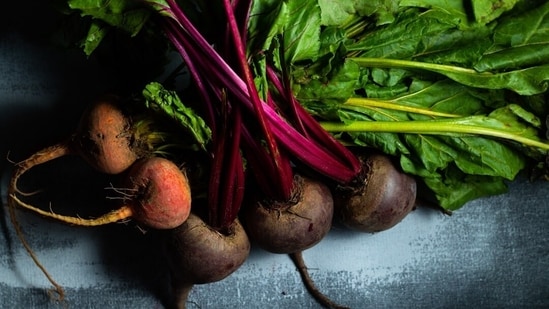
Beetroot has probably made its way onto your plate thanks to your mother insisting that the bright red vegetable is good for your health – and she isn’t entirely wrong. Packed with nutrients and naturally occurring nitrates, beetroot has been linked to benefits ranging from supporting healthy blood pressure and digestion to helping combat inflammation.
However, there may be more to this humble root vegetable than meets the eye, especially the way you consume it. Experts suggest that consuming it raw and frequently may pose an often-overlooked concern, particularly for people with weak kidneys.
Khushi Chhabra, a holistic health nutritionist and wellness content creator, is drawing attention to a lesser-known potential health concern associated with eating raw beetroot, despite the vegetable’s well-established cardiovascular benefits. In an Instagram video shared on August 23, the nutritionist explains how consuming beetroot raw may affect your health and shares a simple way to prepare the vegetable to minimise potential risks while retaining its nutritional benefits.
What happens when you eat beetroots raw?
Khushi highlights, “Eating raw beetroot frequently can increase kidney stone risk due to its high oxalate content.” Beetroot is naturally rich in oxalates, compounds that can bind with calcium in the urine and contribute to the formation of calcium oxalate kidney stones.
{{/usCountry}}Khushi highlights, “Eating raw beetroot frequently can increase kidney stone risk due to its high oxalate content.” Beetroot is naturally rich in oxalates, compounds that can bind with calcium in the urine and contribute to the formation of calcium oxalate kidney stones.
{{/usCountry}}According to the Laser Kidney Stone Clinic, a 100-gram serving of beetroot contains approximately 500 to 650 milligrams of oxalates, which can significantly increase urinary oxalate levels. While beetroot can offer several cardiovascular and nutritional benefits, people with a history of kidney stones or advanced kidney disease may need to limit their intake or modify how they consume it, depending on medical advice.
Correct way to eat beetroots
Beetroot is often eaten raw, whether added to salads or consumed as a juice. However, Khushi suggests a simple alternative to help reduce its oxalate content while still allowing you to enjoy its nutritional benefits. She explains that cooking beetroot can naturally lower its oxalate levels and recommends pairing it with certain foods to further enhance its nutritional value.
The nutritionist recommends, “Steam the beetroot, grate it, and eat it mixed in curd. This is because beetroot naturally contains oxalates, and curd contains calcium, which binds those oxalates and prevents them from being absorbed in our gut, thereby reducing the risk of getting kidney stones.”
“Plus, steaming naturally reduces the oxalates in the beetroot as well. Add roasted cumin and lemon juice to your beetroot raita, which will improve your gut health and naturally reduce blood pressure. When you consume beetroot correctly, you maximise its natural nitrate benefits for blood pressure and gut health while minimising oxalate absorption,” notes Khushi.
Note to readers: This article is for informational purposes only and not a substitute for professional medical advice. It is based on user-generated content from social media. HT.com has not independently verified the claims and does not endorse them.
Khushi Chhabra is a clinical nutritionist and founder of Nutrition with Khushi, helping over 150,000 people build healthier eating habits. She holds a B.Sc. in Food, Nutrition and Dietetics from SVT College of Home Science and an M.Sc. in Food and Nutrition from Indira Gandhi National Open University (IGNOU).
Catch your daily dose of Fashion, Taylor Swift, Health, Festivals, Travel, Relationship, Recipe and all the other Latest Lifestyle News on Hindustan Times Website and APPs.
Catch your daily dose of Fashion, Taylor Swift, Health, Festivals, Travel, Relationship, Recipe and all the other Latest Lifestyle News on Hindustan Times Website and APPs.