
 E-Paper



Endocrinologist reveals how too much or too little iodine from salt intake may be messing with your thyroid health

 Prefer HTon Google



Your salt shaker on table may be messing up with your thyroid health if you cross the healthy limits. Know what the healthy limits are of iodine intake.
Thyroid-related problems are increasingly common. According to a 2020 study, the number of affected individuals is stated to be around 200 million worldwide. The conditions are several, including hyperthyroidism, hypothyroidism, goitre and more. Iodine plays a crucial role in thyroid health. But both deficiency and excess can throw the hormone production off balance and result in health complications.
ALSO READ: Doctor shares 1-month plan to support thyroid function through diet and lifestyle
Dr Shehla Shaikh, consultant endocrinologist at Saifee Hospital, Mumbai, shared in an interview with HT Lifestyle how iodine acts as an indispensable micronutrient for the production of thyroid hormones.
Adequate amount of iodine consumption
Given how a deficiency in iodine results in hypothyroidism, which is when the thyroid gland isn't as active and doesn’t produce enough thyroid hormones, iodine plays a critical role in their production. She said, “Children should be taking in 120 micrograms of iodine per day, and adults should have up to 150 micrograms. The needs rise to 250 micrograms a day during pregnancy and lactation because of the boosted need in the thyroid hormone synthesis of both the mother and the unborn child.”
Excess iodine's risks
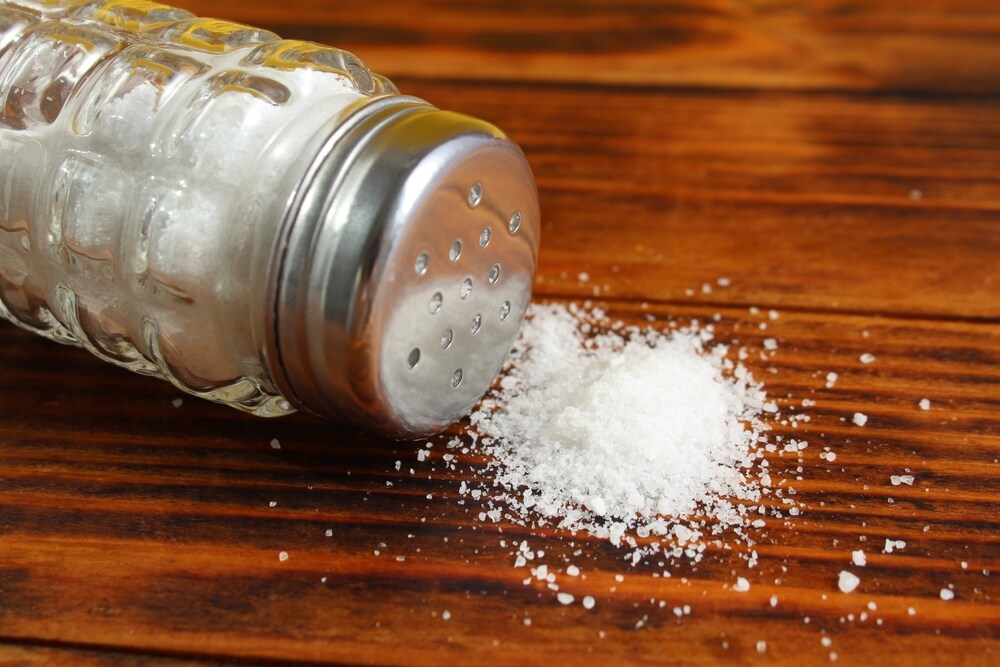
Iodine requires a fine balance. Commonly found in iodised table salt, it plays a crucial role in thyroid health, but too much seasoning with it at the dinner table may also pose risks. So if you are too generous with your salt shaker, it might be worthwhile to understand the risks, as too much salt contributes to thyroid trouble, more than just flavouring the food.
Dr Shaikh elaborated, “Excess iodine supplementation may cause a rise in the amount of iodine in the thyroid, leading to enlargement of the thyroid gland (goitre), particularly in a person who has pre-existing thyroid defects (eg multinodular goitre or autoimmune thyroid disease). Subclinical hypothyroidism has been linked with chronic overexposure to iodine, and in most cases it is usually accompanied by a high count of thyroid autoantibodies."
Furthermore, she described that autoimmune thyroid diseases have their roots in excess iodine intake. She said, "There is in fact an identified risk factor of autoimmune thyroid diseases, which is the excessive iodine intake that causes adverse conditions that lead to Hashimoto thyroiditis and chronic lymphocytic thyroiditis, which are extremely prevalent in the occurrence of hypothyroidism in individuals living in an iodine-adequate community.”
Prevention is better than a cure, and finding the middle ground is the solution. Understanding normal consumption levels that stay within healthy limits, without going overboard, is the way forward.
Dr Shaikh listed out the common sources of excessive iodine and said, "Sources of excessive iodine include iodised salt, seaweed, iodine-rich supplements, drinking water, iodinated contrast agents, and medications such as amiodarone. Supplements containing more than 500 micrograms of iodine per day are not recommended, as they provide no proven health benefit and may pose risks.”
Note to readers: This article is for informational purposes only and not a substitute for professional medical advice. Always seek the advice of your doctor with any questions about a medical condition.


Catch your daily dose of Fashion, Taylor Swift, Health, Festivals, Travel, Relationship, Recipe and all the other Latest Lifestyle News on Hindustan Times Website and APPs.


