
 E-Paper



Doctor shares 1-month plan to support thyroid function through diet and lifestyle

 Prefer HTon Google



You can reset and support your thyroid function naturally with a lifestyle plan that covers essentials like detox and diet.
Thyroid function can be supported through key dietary and lifestyle changes. While it may seem like thyroid disorders are purely hormonal, they also indicate deeper issues, highlighting the importance of overall health, from gut to liver functions. Bringing important changes in lifestyle habits may help support resetting the thyroid naturally.
In an interview with HT Lifestyle, Dr Narendra Shetty, medical director at Kshemavana, shared important insights on how holistic lifestyle changes can support thyroid function and promote natural healing.
He said, “Thyroid disorders in women are not only hormonal imbalances; they are a reflection of a deeper, improper lifestyle. It is important to focus on key pillars such as food and nutrition, gut health, sleep and restoration, mind-body connection, and energy balance. With the right corrections, the thyroid gland can be reset naturally.”
ALSO READ ON HEALTHSHOTS: Carrot oil for hair: Try these 7 DIY hair masks this International Carrot Day
Dr Shetty shared this month-long, week-by-week guide on lifestyle changes to support thyroid function:
Week 1: Awareness about the Body with detoxification (Days 1-7)
Goal: Start with liver detoxification and reduce inflammation, which is important for T4-T3 conversion.
Morning Routine:
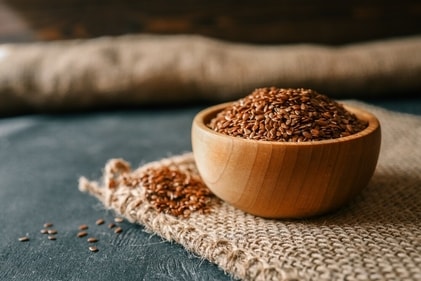
- Warm water with lemon + 1 tsp flaxseed powder: Lemon is rich in Vitamin C, an antioxidant, and flaxseeds are rich in Omega-3, which reduces inflammation.
- 30 minutes brisk walking and Surya Namaskara
- Brisk walking and Surya Namaskara stimulate metabolic activity and help manage thyroid function.
Diet:
- Avoid gluten as it may trigger inflammation.
- Limit grains as they can also contribute to inflammation.
- Avoid goitrogenic foods like broccoli and cauliflower as they may worsen the condition.
- Begin with simple vegetable broths, fresh fruits, and millets like foxtail and barnyard millet.
- Include iodine-rich foods such as pumpkin seeds and sprouted legumes.
Pranayama:
- Nadi Shodhana (alternate nostril breathing) and Bhramari
Naturopathic Detox:
- Hydrotherapy: Apply a liver pack on alternate days to support detoxification and reduce inflammation. It is a type of compression applied to the abdomen to stimulate liver detox.
- Juice therapy: 1 glass of green juice on an empty stomach.
Week 2: Nourishment and gut health (Days 8–14)

Goal: Strengthen digestive fire, support gut flora
Morning Routine:
- Triphala tea / cumin-fennel-jeera water: This helps in stimulating the peristalsis and supports the digestive system
- Yoga poses to try in the morning: Bhujangasana and Setu Bandhasana. They help in stimulating the digestive fire and take care of the digestion and other digestion-related ailments
Diet:
- Introduce fermented foods: Homemade kanji, fermented rice, and buttermilk.
- Introduce more fibre via vegetables and soaked seeds.
- Add selenium-rich foods (brown rice, sunflower seeds) to support T3 conversion.
Therapies:
- 20 minutes daily Yoga Nidra: Helps in removing stress from the root and promotes relaxation and improves sleep.
- Gratitude journaling in the evenings
- Weekly hip bath and steam bath.
- Mud therapy to the abdomen 3x this week.
Week 3: Hormonal eebalance and metabolism boost (Days 15–21)

Goal: Activate metabolism, balance estrogen-dominance and insulin response
Morning Routine:
- Begin the day with 15 rounds of Surya Namaskar (slow, stretching and fast rounds) and 5 minutes of Kapalabhati.
- This activates the pancreas, improves circulation, improves insulin sensitivity and regulates the body's mechanisms.
Diet:
- Intake of iron-rich foods like beetroot, sesame laddus. They help in the conversion of T4 to T3.
- Continue anti-inflammatory meals with more cooked vegetables.
- Replace tea/coffee with Ashwagandha-Tulsi herbal decoction.
Therapies:
- Steam inhalation + neck massage to support thyroid circulation 3x a week.
- Stimulating Acupressure points for endocrine regulation.
- Practice Trataka for endocrine and pineal gland support.
- Research Insight: Studies from the Journal of Integrative Medicine show that ashwagandha helps significantly reduce TSH levels in subclinical hypothyroidism.
Week 4: Integration, rhythm and renewal (Days 22–30)

Goal: Establish long-term lifestyle habits and prevent relapse
Morning Routine:
- Switch to a gentle walk in nature, followed by a 21-minute Twin Heart meditation.
- Grounding rituals (walking barefoot on grass, sun exposure).
Diet:
- Begin intuitive eating: Eat only when hungry, chew thoroughly before swallowing.
- Increase infused water intake, like fenugreek or coriander.
- Try going grain-free for a week.
Therapies:
- Monthly oil massage (Abhyanga) and head massage with Brahmi oil.
- Optional fasting day with fruits alone, monthly.
ALSO READ: World Thyroid Day 2025: Top 5 nutrients you cannot miss out on and need to include in your diet
Note to readers: This article is for informational purposes only and not a substitute for professional medical advice. Always seek the advice of your doctor with any questions about a medical condition.


Catch your daily dose of Fashion, Taylor Swift, Health, Festivals, Travel, Relationship, Recipe and all the other Latest Lifestyle News on Hindustan Times Website and APPs.


