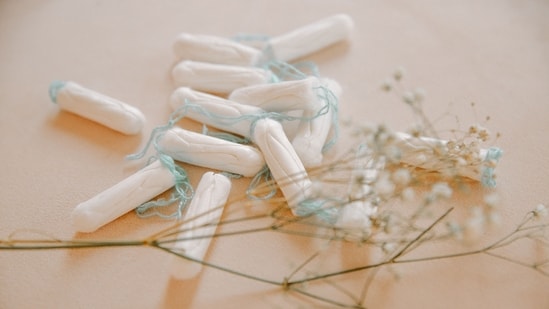
From poor period hygiene to ignoring symptoms, we often unknowingly start practising period habits that seem harmless but can impact our health in the long run. In an interview with HT Lifestyle, Richa Rehan, pelvic health physiotherapist and women's health educator, shared period habits you may want to rethink for better menstrual health and hygiene.
Also read | Are painful periods normal? Gynaecologist shares when menstrual cramps are concerning: 'Endometriosis can cause…
1. Leaving tampons in longer than recommended
According to Richa, it can be tempting to stretch wear time, especially on lighter days. Tampons should generally be changed every 4 to 8 hours and should not be left in for more than 8 hours. Prolonged tampon use can increase irritation and, rarely, the risk of toxic shock syndrome. Pads should also be changed regularly for comfort, hygiene, and skin health.
2. Using scented period products, wipes, or sprays
Fragranced pads, liners, wipes, and feminine hygiene products can irritate sensitive vulvar tissue, particularly when used repeatedly. The vagina does not need perfume or deodorising products to be healthy.
{{/usCountry}}Fragranced pads, liners, wipes, and feminine hygiene products can irritate sensitive vulvar tissue, particularly when used repeatedly. The vagina does not need perfume or deodorising products to be healthy.
{{/usCountry}}3. Wearing tight, non-breathable underwear for long periods
“Tight synthetic fabrics combined with pads can trap heat and moisture and increase friction,” highlighted Richa. For people prone to irritation, this can contribute to chafing, itching, or vulvar discomfort. Breathable underwear and regular product changes can help.
4. Using vaginal douches to feel cleaner during your period
The vagina is self-cleaning. Douching can disrupt the normal vaginal microbiome and is associated with problems including bacterial vaginosis and irritation. Cleaning the external vulva gently with water or a mild, unscented cleanser is usually enough.
5. Pushing through workouts despite significant pain or pelvic symptoms
Exercise during your period is generally safe. “But if running, lifting, or HIIT consistently causes leaking, pelvic heaviness, worsening pain, or pressure, repeatedly pushing through the symptoms instead of modifying the load can keep aggravating the problem,” said Richa.
6. Holding your bladder because changing a pad feels inconvenient
Occasionally delaying a bathroom trip is not a problem, but routinely ignoring bladder urges can reinforce unhealthy bladder habits. Over time, you may become less responsive to normal bladder signals or develop urgency and frequency patterns.
7. Automatically reaching for painkillers every month without ever investigating the pain
NSAIDs can be very effective and appropriate for menstrual cramps. The red flag is needing medication every cycle just to function while severe or worsening pain goes unevaluated.
8. Planning your entire life around debilitating periods and accepting it as normal
Regularly missing work, school, exercise, sex, or social plans because of menstrual symptoms is not something you should simply have to tolerate. Over time, adapting around symptoms can delay getting appropriate assessment and treatment.
Note to readers: This article is for informational purposes only and not a substitute for professional medical advice. Always seek the advice of your doctor with any questions about a medical condition.
Catch your daily dose of Fashion, Taylor Swift, Health, Festivals, Travel, Relationship, Recipe and all the other Latest Lifestyle News on Hindustan Times Website and APPs.
Catch your daily dose of Fashion, Taylor Swift, Health, Festivals, Travel, Relationship, Recipe and all the other Latest Lifestyle News on Hindustan Times Website and APPs.