
 E-Paper



Gastroenterologist shares dos and don'ts of diet for proper gut health in monsoon

 Prefer HTon Google



Monsoon makes one vulnerable to low immunity, digestive issues, and infections, making it essential to follow dos and donts.
Monsoon is one such season which, on the surface, may be pleasant for your senses, with scenic skies, the smell of rain, and cool breeze, but deep down, your gut health may not be enjoying it as much. It’s a damp season with a drop in temperature, high moisture content, stagnant water from flooding, and reduced sunlight, making it the ideal breeding ground for bacteria that can result in stomach infections and other gut issues if proper precautions are not adopted. But with the help of a few small tweaks to daily habits, you can reduce the risks of issues like indigestion, food poisoning and waterborne illnesses.
ALSO READ: Stay safe from diarrhoea and cholera in monsoon: Doctor shares 5 tips to follow
Dr Purushottam Vashistha, Senior Consultant of Gastroenterology & Hepatology at Apollo Hospitals Navi Mumbai, shared a succinct guide with HT Lifestyle that thoroughly covered all the relevant dos and don’ts for monsoon nutrition:
5 DOs
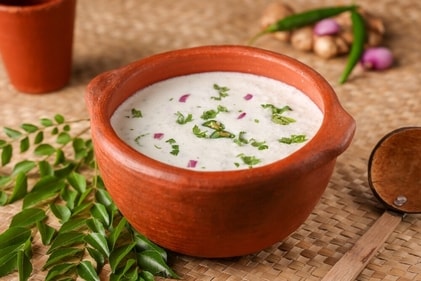
1. Do incorporate freshly prepared curd into meals
- Curd is rich in natural probiotics that restore healthy gut flora, especially important during monsoon-induced microbial imbalances.
- It aids digestion, reduces inflammation, and enhances immunity against intestinal pathogens. Homemade curd is preferable to ensure bacterial viability and safety.
2. Do drink lukewarm, filtered water throughout the day
- Warm water improves gastric motility and minimises bloating, a common complaint during the damp monsoon season.
- It also reduces the risk of ingesting waterborne bacteria and parasites.
- Consistent hydration supports mucosal health and nutrient absorption.
3. Do eat bitter and astringent foods like methi, turmeric, and bottle gourd
- These ingredients possess antifungal and antibacterial properties, helping prevent microbial overgrowth in the gut.
- They also stimulate bile flow, enhancing fat digestion and gut detoxification. Their use aligns with traditional Indian seasonal wisdom and modern gut science.
4. Do follow a disciplined eating routine with consistent timing
- Eating at regular intervals trains the gut’s migrating motor complex, improving clearance of waste and pathogens.
- Irregular meals disrupt circadian control of digestion, weakening the gut barrier. Consistency also supports acid regulation and enzyme secretion.
5. Do ensure thorough washing and soaking of raw vegetables and fruits
- Monsoon produce often carries pesticide residues and fungal spores.
- Soaking in salt water or diluted vinegar neutralises contaminants. Clean preparation prevents dysbiosis, abdominal cramps, and diarrhoea.
5 DON’Ts

1. Don’t consume pre-cut fruits or uncovered food from vendors
- Exposed foods attract moisture, flies, and pathogens that thrive in humid conditions.
- These can transmit E. coli, Salmonella, or hepatitis A. Such foods pose a direct threat to gut integrity and systemic immunity.
2. Don’t drink tap water or beverages with unverified ice
- Contaminated water is a leading cause of gastroenteritis during the rains. Ice made from unsafe water carries equal risk.
- Even a single exposure can disrupt gut microbiota and cause prolonged infections.
3. Don’t overuse antibiotics for minor gastric discomforts
- Unnecessary antibiotics destroy beneficial gut flora and increase vulnerability to fungal infections like candidiasis.
- They also delay natural recovery from viral gastroenteritis. Rational use must follow stool analysis or clinical diagnosis.
4. Don’t skip meals due to a busy schedule or low appetite
- Prolonged fasting or erratic eating reduces stomach acid buffering, promoting acid reflux and sluggish digestion.
- It weakens the intestinal barrier and hampers mucosal healing. Regular, balanced meals help maintain gut pH and microbial diversity.
5. Don’t rely solely on packaged probiotic supplements
- Many commercial probiotics lack strain specificity or survive poorly through stomach acid. Relying only on supplements ignores dietary and environmental factors critical for gut health.
- Food-based probiotics offer better long-term resilience and strain adaptation.
Note to readers: This article is for informational purposes only and not a substitute for professional medical advice. Always seek the advice of your doctor with any questions about a medical condition.


Catch your daily dose of Fashion, Taylor Swift, Health, Festivals, Travel, Relationship, Recipe and all the other Latest Lifestyle News on Hindustan Times Website and APPs.


