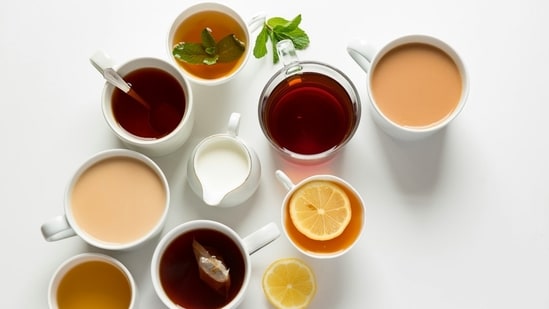
Choosing between green tea, black tea, and herbal tea really comes down to your lifestyle, your caffeine tolerance, and what you want from your daily cup. There isn’t one tea that is universally ‘best’ for everyone. The right choice is the one that fits comfortably into your routine and supports your individual nutritional needs. In an interview with HT Lifestyle, Dr Shreya Sinha, Sr. associate dietician, Regency Health, Kanpur, shared differences between each option.
Also read | Bored with regular chai? Try these 4 easy tea recipes you can make at home
Green tea
“Green tea can be a good option for people who want a lighter, refreshing beverage with some caffeine,” highlighted Dr Shreya. It contains naturally occurring compounds called catechins, including EGCG, which have antioxidant properties.
For someone looking for a gentle alternative to coffee or a beverage to enjoy during a work break, green tea can be an easy addition to a balanced diet. However, it’s important not to view green tea as a weight-loss solution or a substitute for healthy eating and regular physical activity.
Black tea
According to Dr Shreya, black tea generally contains more caffeine than green tea, although the exact amount varies depending on the type of tea and how it is brewed. This can make it appealing to people who need a little more alertness during a busy morning or afternoon. Black tea also contains polyphenols, which are naturally occurring plant compounds. If you enjoy milk tea, black tea can certainly be part of a balanced lifestyle, but be mindful of how much added sugar you use.
{{/usCountry}}According to Dr Shreya, black tea generally contains more caffeine than green tea, although the exact amount varies depending on the type of tea and how it is brewed. This can make it appealing to people who need a little more alertness during a busy morning or afternoon. Black tea also contains polyphenols, which are naturally occurring plant compounds. If you enjoy milk tea, black tea can certainly be part of a balanced lifestyle, but be mindful of how much added sugar you use.
{{/usCountry}}Herbal tea
Dr Shreya highlighted that herbal tea is a slightly different category because it is typically made from herbs, flowers, spices, or other plants rather than traditional tea leaves. Many herbal teas are naturally caffeine-free, making them useful for people who prefer to avoid caffeine, particularly later in the day.
“Chamomile, peppermint, ginger, and hibiscus are popular choices, but their effects can vary, and ‘natural’ does not automatically mean suitable for everyone,” explained Dr Shreya. People taking medications or those who are pregnant should check with a healthcare professional before regularly consuming certain herbal products.
Ultimately, tea should complement, not replace a nutritious diet, adequate hydration, quality sleep, and an active lifestyle. “My advice is to choose based on your personal needs: green tea if you prefer a lighter caffeinated option, black tea if you enjoy a stronger flavour and more stimulating cup, or herbal tea if you want a caffeine-free choice,” said Dr Shreya.
Note to readers: This article is for informational purposes only and not a substitute for professional medical advice. Always seek the advice of your doctor with any questions about a medical condition.
Catch your daily dose of Fashion, Taylor Swift, Health, Festivals, Travel, Relationship, Recipe and all the other Latest Lifestyle News on Hindustan Times Website and APPs.
Catch your daily dose of Fashion, Taylor Swift, Health, Festivals, Travel, Relationship, Recipe and all the other Latest Lifestyle News on Hindustan Times Website and APPs.