
 E-Paper



Gurugram doctors share how 7 month old survived rare liver disease, brain haemorrhage: ‘Condition continued to worsen…’

 Prefer HTon Google



In a miraculous recovery story, a young infant suffering from severe liver complications along with a brain haemorrhage made a remarkable turnaround.
Major ailments and life-threatening complications can occur in young children. What makes this more serious is that treatments typically performed at an older age are often highly complex or involve major surgeries. For infants, these procedures can be challenging because of their sensitive and fragile physiology. However, recovery is still possible through timely intervention and specialised medical support.
One such case is that of a critically ill seven-month-old infant from Nepal, suffering a congenital liver disorder complicated by a life-threatening brain haemorrhage, who was successfully treated by doctors at Narayana Hospital, Gurugram.
It highlights that even infants can develop serious and life-threatening conditions, making early detection and timely, specialised care crucial for recovery.
Dr Sanjay Goja, Director- Liver Transplant and HPB Surgery at Narayana Hospital at Gurugram, shared more details about the process with HT Lifestyle, right from the turn of aggravation to treatment that led to recovery.
Early signs
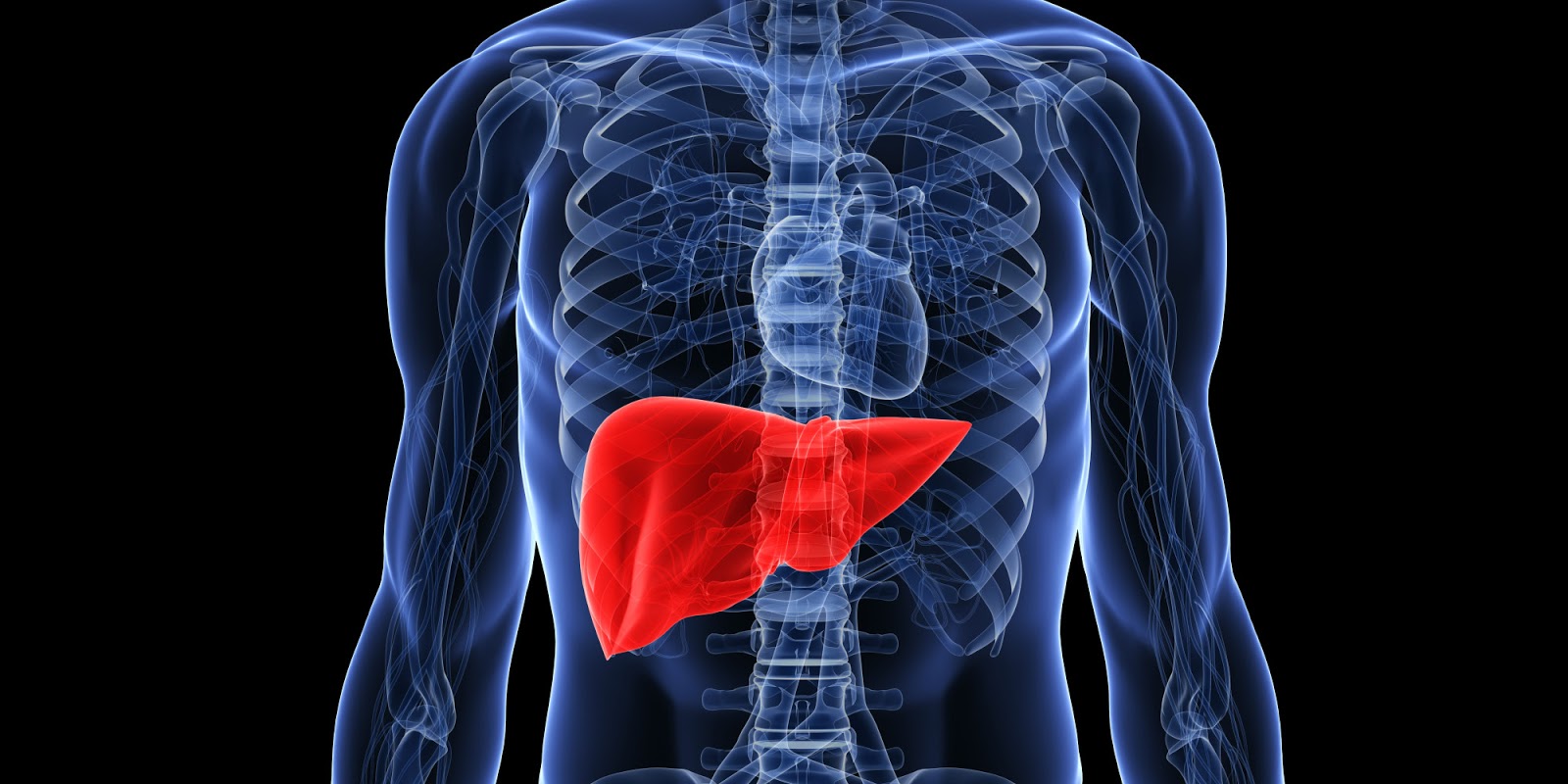
The infant appeared healthy at birth but soon developed persistent jaundice and pale stools. Doctors diagnosed the child with biliary atresia, a rare liver disorder affecting bile flow. The baby underwent a Kasai surgery in Nepal, but the condition worsened over time.
Dr Goja, outlined how the condition progressed: “The condition continued to worsen and progressed to severe liver damage (biliary cirrhosis) with high pressure in the liver blood vessels (portal hypertension).” Subsequently, repeated episodes of bleeding in the stomach and intestines were also observed.
How did the liver disorder aggravate?
The surgeon further explained what went wrong and what was observed that triggered the alarm: “The situation became more serious when doctors discovered a large collection of blood on the left side of the brain."
The main reason this happened was that the damaged liver affected the child's ability to clot blood. Dr Goja added why it became an emergency, "Soon, the bleeding increased and began putting pressure on the brain, pushing it from its normal position and creating a risk of brain herniation, a life-threatening condition if not treated immediately.”
Treatment and recovery
The doctors first addressed the brain haemorrhage through a minimally invasive brain surgery. Dr Goja shared how it was done: “Doctors made a small opening on the left side of the head and used a camera-assisted technique to remove the collected blood, helping relieve pressure on the brain.”
Once stabilised, the team planned the next step to treat the root cause, the liver disease. The surgeon then revealed that the team successfully performed a living donor liver transplant, with the father donating a portion of his liver. “The diseased liver was replaced with a healthy donor segment,” he added.
It shows it was crucial to address the liver dysfunction to prevent further complications, including recurrent bleeding.
“Six weeks after surgery, the baby is doing well on minimal medication to prevent rejection, with no neurological deficits and age-appropriate social interactions,” Dr Goja remarked.
The case was managed by a multidisciplinary team at Narayana Hospital, Gurugram, comprising liver transplant surgeons Dr Sanjay Goja, Dr Sanjay Yadav, Dr Manoj Kumar Singh and Dr Bappaditya Har; pediatric gastroenterologist & hepatologist Dr Shivani Deswal; neurosurgeon Dr Utkarsh Bhagat; anaesthetist Dr Mannu Thomas; and pediatric anaesthetist Dr Anupam Purkayastha.
The case highlights the importance of identifying early health warning signs in infants, especially as they are unable to communicate their discomfort and their crying may be misinterpreted as hunger or routine fussiness, making awareness critical for parents.
It also goes on to show that right intervention, along with multidisciplinary expert care, can offer a real chance at successful recovery even in the face of very severe complications.
Note to readers: This article is for informational purposes only and not a substitute for professional medical advice.


Catch your daily dose of Fashion, Taylor Swift, Health, Festivals, Travel, Relationship, Recipe and all the other Latest Lifestyle News on Hindustan Times Website and APPs.


