
 E-Paper



Gurugram respiratory medicine doctor shares 4 tips to manage asthma in polluted cities

 Prefer HTon Google



If you or your loved one has asthma, check out these expert-approved tips to stay safe this pollution season.
Air quality continues to worsen in Delhi and NCR, with the AQI oscillating from poor and very poor to hazardous, showing no respite. People with pre-existing respiratory conditions, such as asthma, are particularly vulnerable. According to the World Health Organization, people with asthma struggle to breathe and experience extreme shortness of breath because of inflammation and narrowing of the small airways in the lungs. Now add to this the burden of pollution, and asthma management becomes more challenging than ever for those living in severely polluted cities.
To understand how one can regulate asthma symptoms and prevent flare-ups, HT Lifestyle connected with Dr Bharat Gopal, senior director- respiratory & sleep medicine at Medanta, Gurugram, who highlighted the need to create your own 'clean air sanctuary.' It means you need to make your own personal safe zone where the air you breathe is as safe and clean, as much as possible. He further shared that the small particulate matter with harmful gases irritates the airways, making asthma worse with chances of flare-ups.
4 tips for managing asthma
Asthma in polluted cities can be kept in check with the help of a few proactive measures.
Dr Gopal shared these 4 tips:
1. Check AQI daily

The first step is to limit exposure to the polluted air and stay outdoors only when necessary. Dr Gopal emphasised that caution is crucial, pointing out some toxic AQI readings, "Use an app that you trust to check the AQI. If your AQI reading is 'Poor' (Above 200) or 'Severe' (Above 400), your lungs are essentially under attack.”
During such periods of high pollution, he advised limiting all physical activity. “Give up your morning jog outside and bring your exercise indoors. Plan necessary errands for mid-day rather than rush-hour traffic during the lowest pollution level of the day.” This means to protect your respiratory health, only step outdoors if it's absolutely necessary. Those who may have the habit of exercising outdoors should avoid it because the disadvantage of polluted air outweighs the exercise's positive effects.
2. Create safe air sanctuary at home
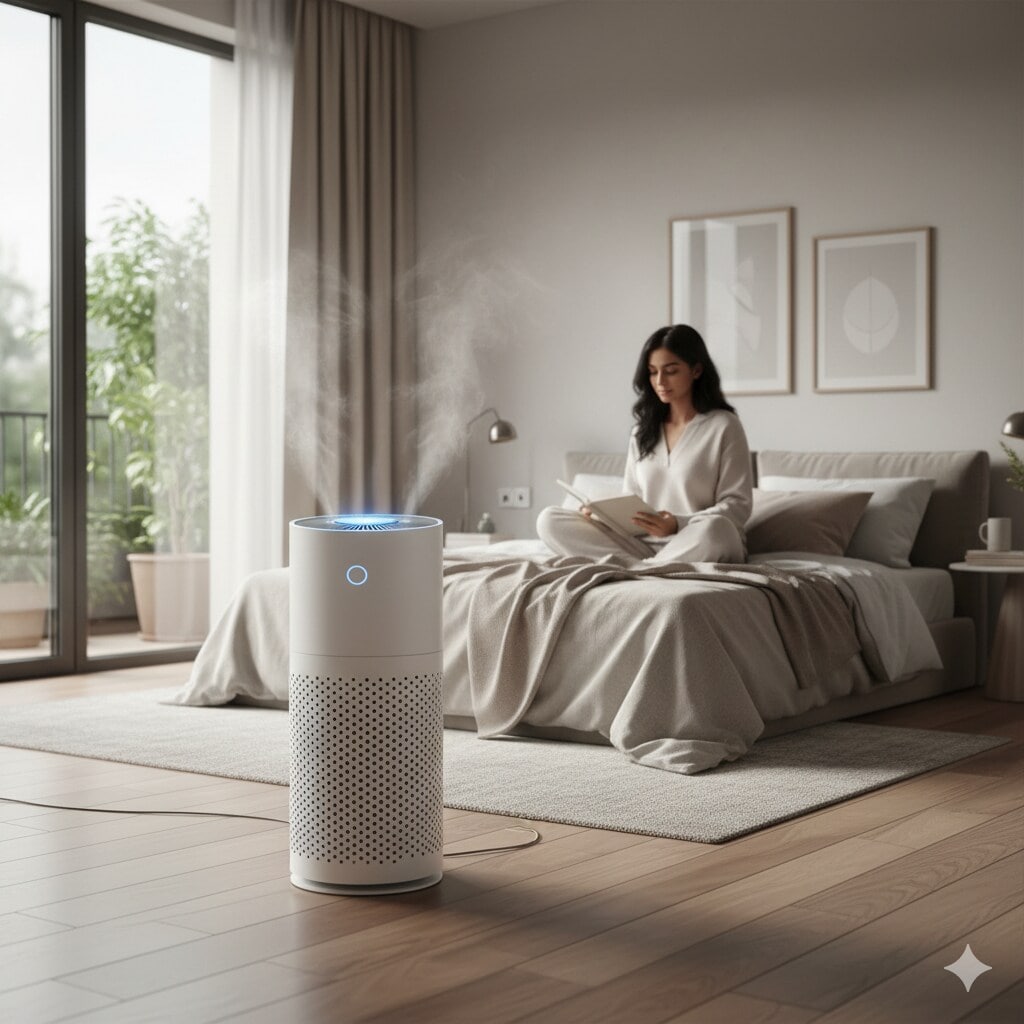
The respiratory medicine doctor recommended creating a biobubble, like a place where you can breathe safely. Because outdoor air is full of pollutants, your indoor air needs to be as clean as possible.
To create a biobubble, he recommended opting for a good air purifier. Sharing the technical specifications, Dr Gopal elaborated, “Purchase a good air purifier with a HEPA filter for your main living space and bedroom, especially.”
Other habits you should follow are, as the doctor highly suggested, “On high pollution days, keep your windows and doors shut tight so the enemy does not get inside. Basic things like mopping/wiping the floors and surfaces, as opposed to sweeping, will help trap dust and pollution." This is particularly relevant for smoggy days. Sealing indoor space ensures the toxic air can't get inside and contaminate the ‘biobubble.’
Other than using an air purifier, which is the most obvious and non-negotiable habit this pollution season, specific indoor plants can also filter toxins from the air and contribute to improved air quality. The doctor mentioned plants such as Money Plant (Pothos), Snake Plant, Spider Plant, Areca Palm, and Peace Lily.

3. Controller medication
To prevent flare-ups, Dr Gopal stressed that preventive inhalers are no longer optional.
“Use your preventive inhaler just like you were prescribed daily, no exception. Do not wait until you cough or wheeze to begin the medication," he cautioned.
Revealing why it is essential, he further added, "Your lung cells need that consistent inhaled dosage of anti-inflammatory medicine to stay ahead of the pollution exposure.”
4. Masks to wear outdoors
If you are going outdoors, you need to wear a mask, but choosing the right mask is absolutely crucial. If you wear a cloth mask, Dr Gopal warned, it won't adequately protect your lungs because it won't block PM 2.5 particulate matter.
He instead highly recommended, “Wear an N95 (or a similar mask such as FFP2) mask that fits tightly over your mouth and nose.” This mask filters out tiny, toxic particles, which are the primary trigger of asthma attacks when in polluted air.
When should you see a doctor or go to ER?
Since pollution continues to rise at an alarming rate, with AQI levels reaching troubling numbers every other day, it is essential to know the course of action you need to follow in case of emergency: both the situations when you need to see a doctor and serious ones when you require immediate attention in the ER
Dr Gopal shared these 6 signs you may need help:
Consider seeing a physician urgently if:
- Utilising the quick relief (or rescue) inhaler more than two times/week (other than prior to exercise).
- Woken at night due to coughing or wheezing. Asthma disturbs normal daily activities (e.g., cannot walk up one flight of stairs without having to stop).
4 signs you need to visit ER right now:
- Quick-relief inhaler is not working, or it has only worked for less than an hour.
- Trouble speaking in whole sentences (can only speak a few words in a breath).
- Lips or fingernails look grey or blue.
- Breathing fast and straining your neck and chest muscles.
Note to readers: This article is for informational purposes only and not a substitute for professional medical advice. Always seek the advice of your doctor with any questions about a medical condition.


Catch your daily dose of Fashion, Taylor Swift, Health, Festivals, Travel, Relationship, Recipe and all the other Latest Lifestyle News on Hindustan Times Website and APPs.


