
 E-Paper



Kerala teen survives brain-eating amoeba disease. Doctor explains survival rate determining factors of PAM

 Prefer HTon Google


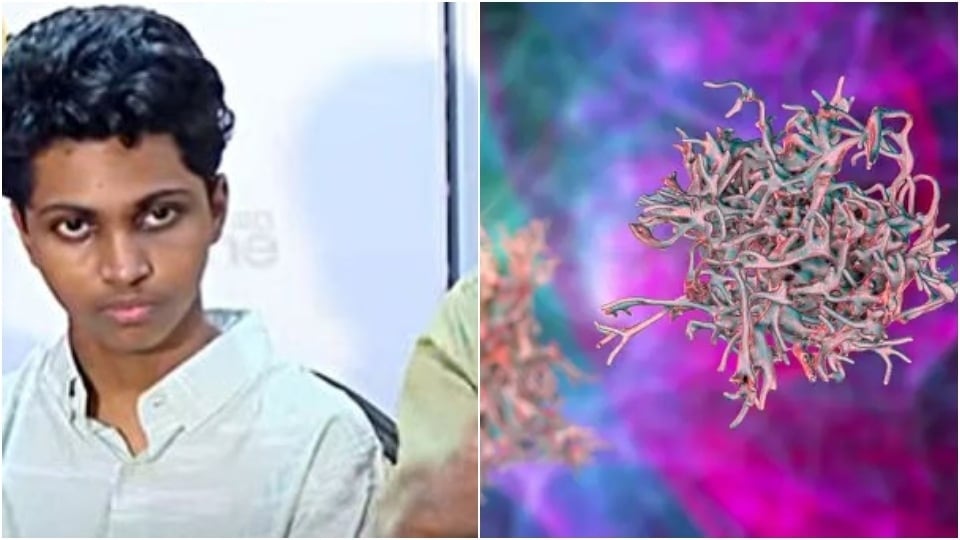
From prompt treatment to patient’s age and health, here are a few determining factors of survival rate of the deadly brain-eating amoeba disease.
Primary amoebic meningoencephalitis, also known as PAM, is a deadly disease caused by Naegleria fowleri – a microscopic amoeba – also known as brain-eating amoeba. Brain-eating amoeba is currently rampant in the state of Kerala. Usually, it enters the body and severely affects the brain. Freshwater environments such as lakes, hot springs and rivers make for comfortable spaces for such amoeba to thrive. Recently a 14-year-old teen - Afnan Jasim - from the district of Kozhikode survived PAM – he is one of the eleven people in the world to combat the deadly disease.
In an interview with HT lifestyle, Dr Sheetal Goyal, Neurologist, Wockhardt Hospitals, Mumbai Central explained the survival rate of PAM - “The survival rate for an infection caused by the brain-eating amoeba, Naegleria fowleri, is extremely low. Primary amoebic meningoencephalitis (PAM), the condition resulting from the infection, has a fatality rate of over 97%. Most cases are diagnosed only after the disease has progressed significantly, and early symptoms often mimic more common illnesses, leading to delayed diagnosis and treatment.”
Early diagnosis:
Timely identification of PAM is crucial. The earlier the disease is detected, the higher the chances of survival, as this allows for quicker initiation of treatment.
Prompt treatment:
Immediate administration of a combination of medications, including amphotericin B, azithromycin, miltefosine, and dexamethasone, can improve survival odds. Although the efficacy of these treatments remains uncertain, they have shown some success in past cases.
ALSO READ: Brain-eating amoeba: Know all about the rare disease that killed a Kerala boy
Access to medical care:
Access to advanced medical facilities and intensive care units can significantly impact survival. Patients require close monitoring and supportive care to manage the severe inflammation and brain damage caused by the amoeba.
Patient's age and health:
While PAM primarily affects children and young adults, the overall health and immune response of the patient can also play a role in determining outcomes. A robust immune system may help in fighting the infection more effectively.
ALSO READ: 'Brain-eating amoeba' naegleria fowleri kills South Korea man. Check symptoms


